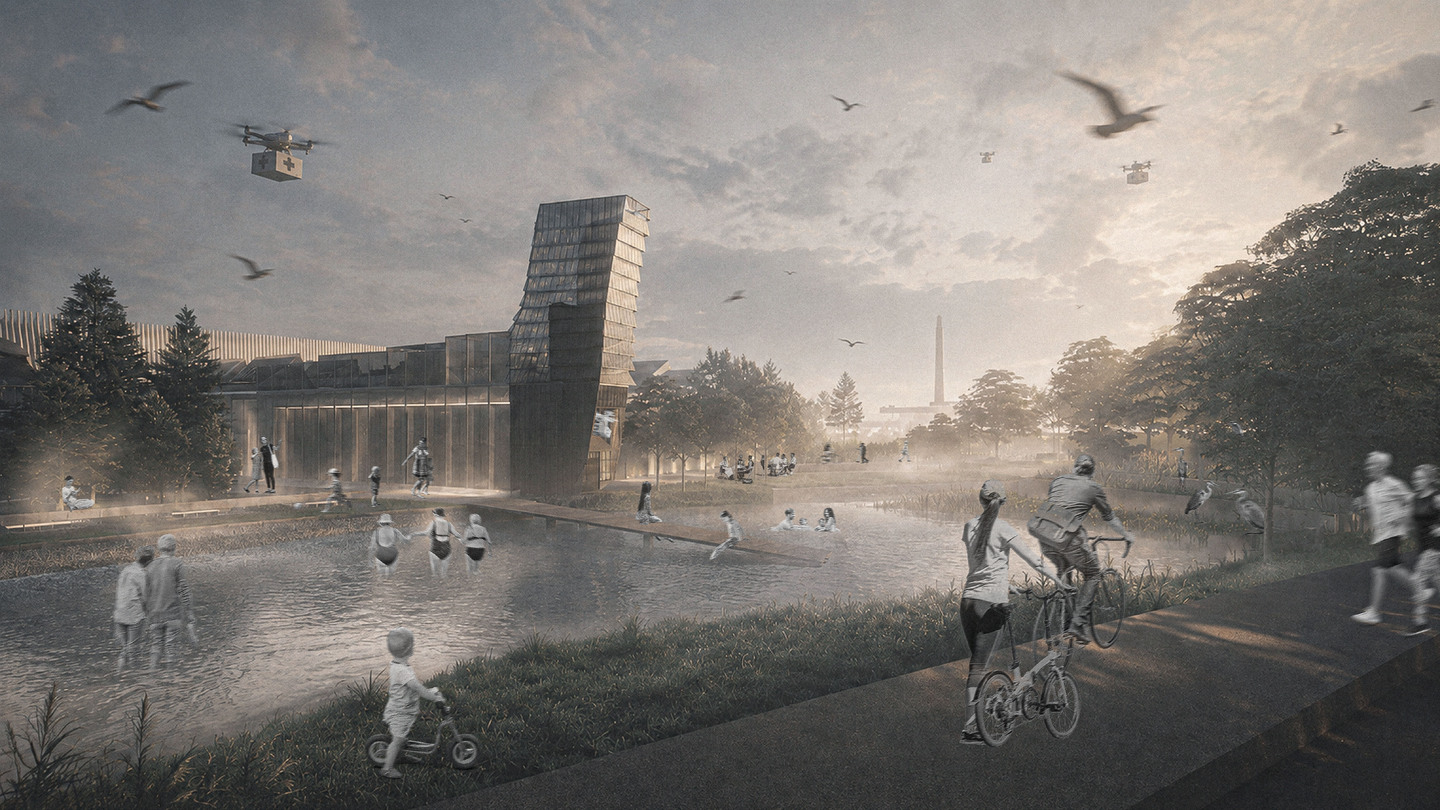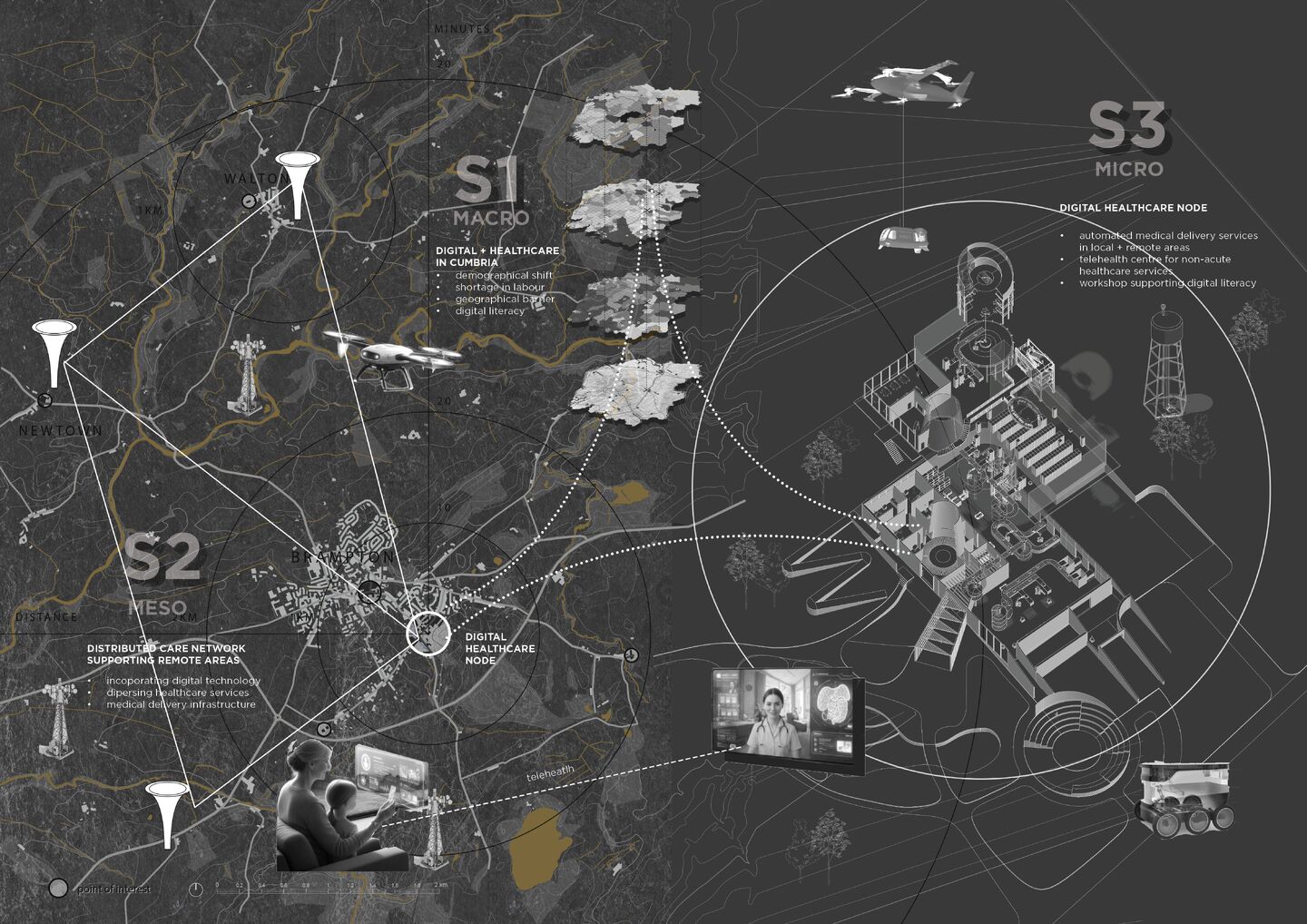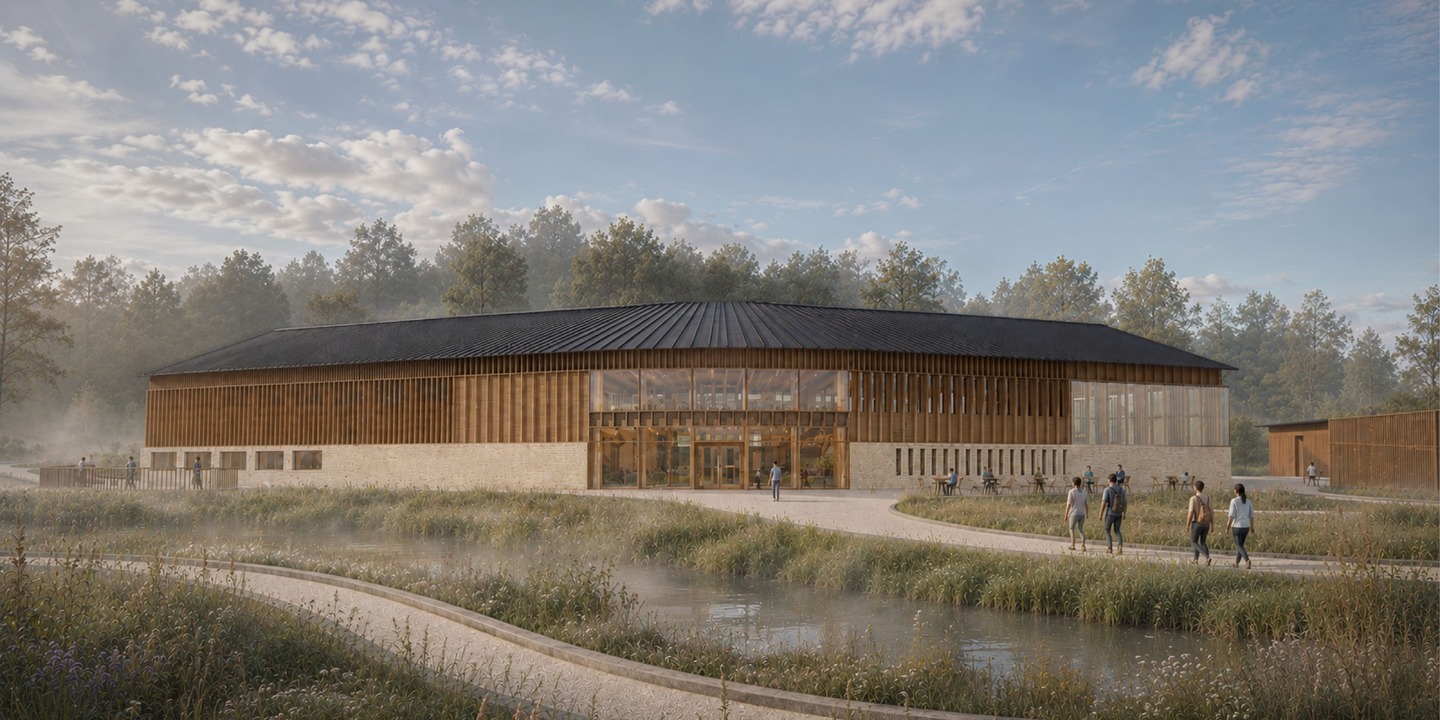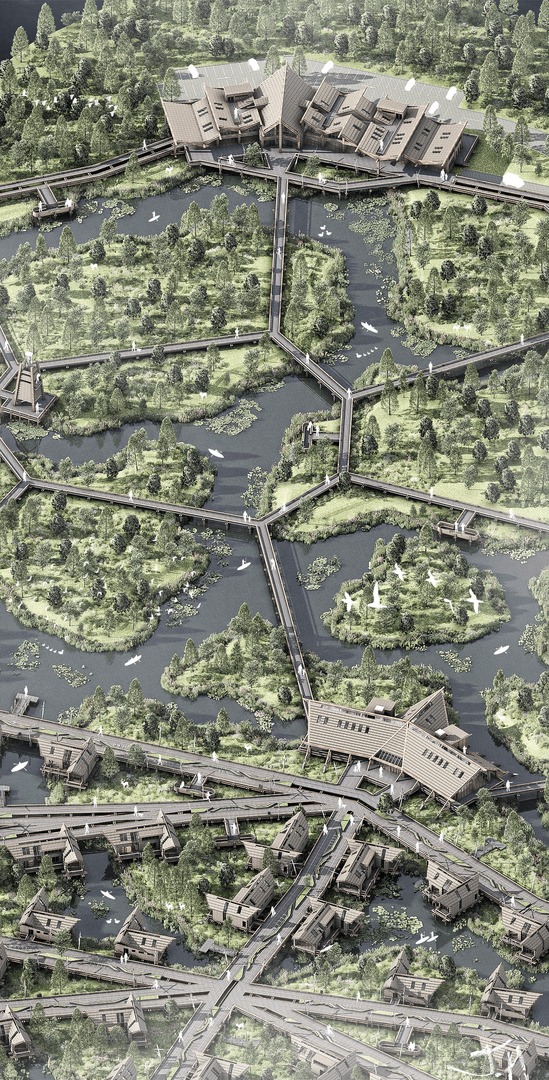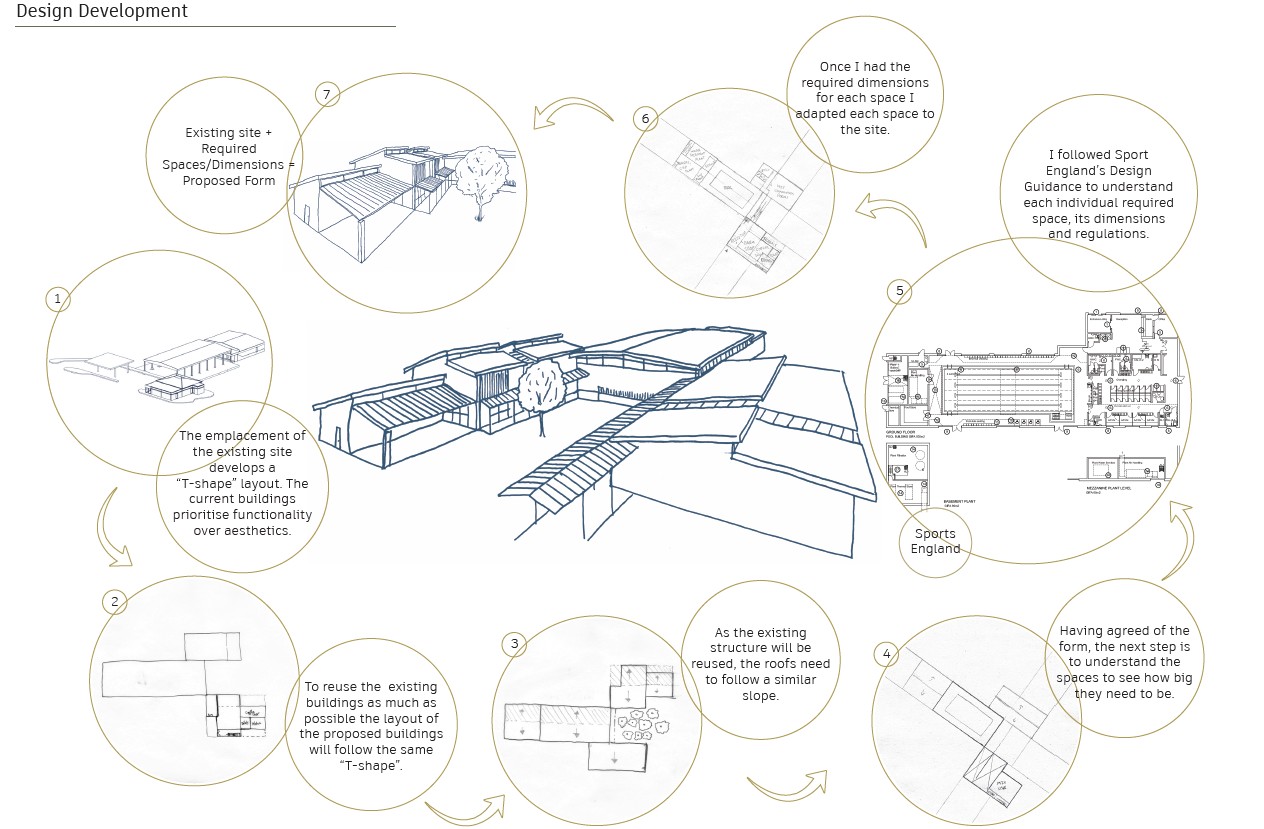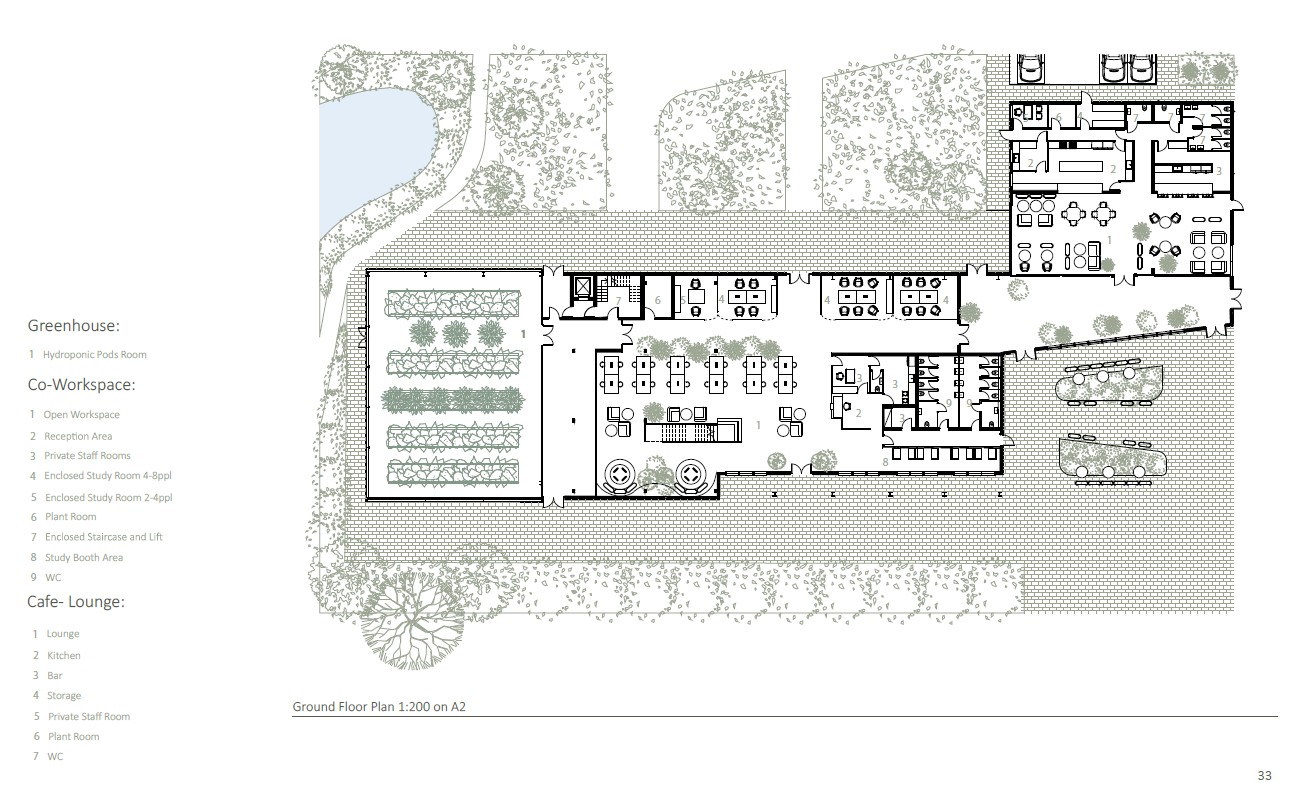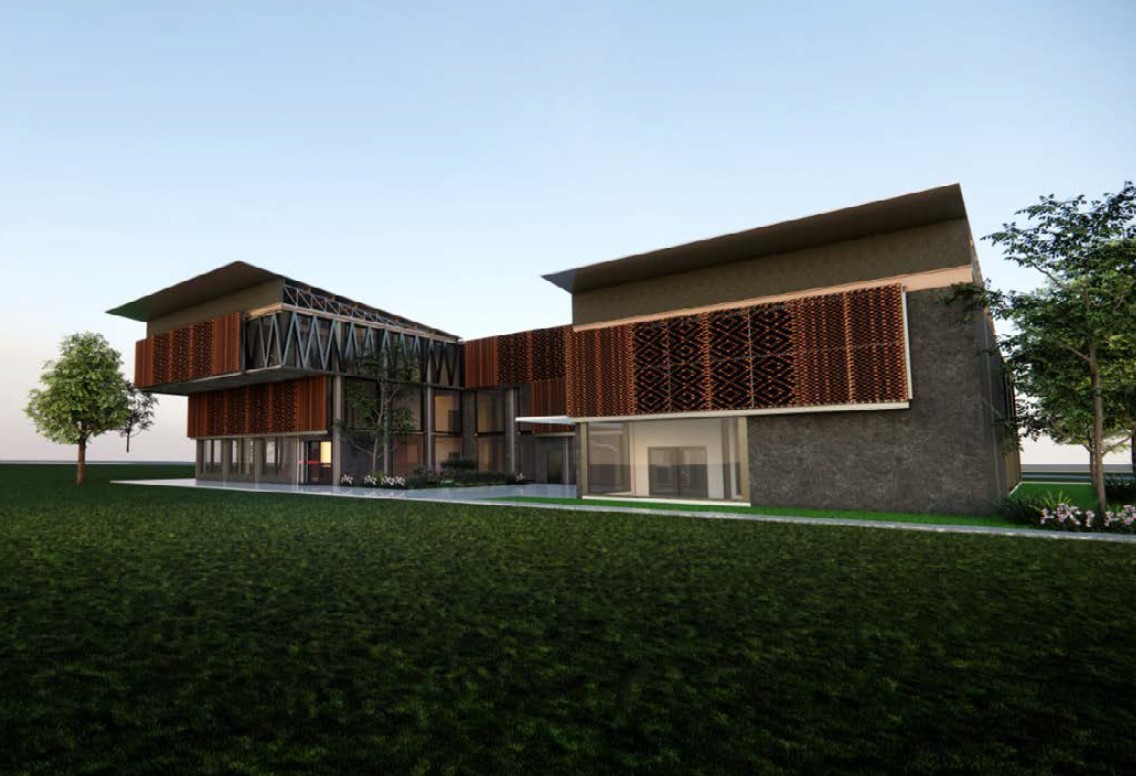

Infrastructure Space continues to explore the latent potential of existing systems, asking how infrastructural architectures can be reimagined to serve both society and the environment. This year, the Atelier strengthened its transdisciplinary model, bringing together Architecture and Landscape Architecture across BA3, MArch1, MArch2, and MLA2 to address complex territorial challenges through shared methods and critical enquiry.

In 2025-2026, the atelier has been working in Cumbria, specifically the River Eden catchment and St Cuthbert's Garden Village, exploring the tensions between ecological protection, housing growth, and environmental policy. Students critically engaged with frameworks such as Biodiversity Net Gain and Nutrient Neutrality, examining how policy can reshape land, value, and ecological futures.

A multi-method design approach underpinned the work, combining thematic data mapping, stakeholder engagement, speculative design, and iterative testing. Initial mapping spatialised ecological, social, and policy data to reveal hidden relationships and inform project briefs. These insights were tested through engagement with stakeholders, enabling students to incorporate situated knowledge and refine their positions.

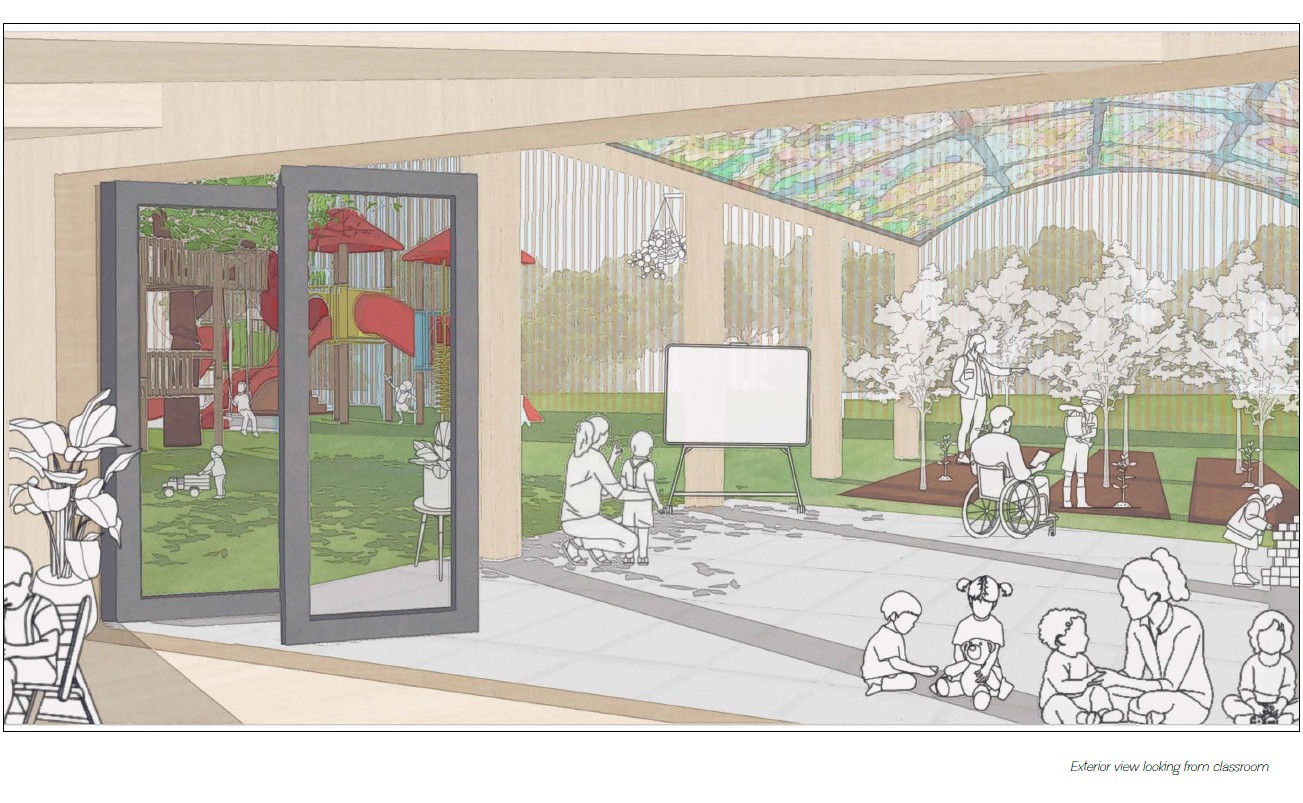
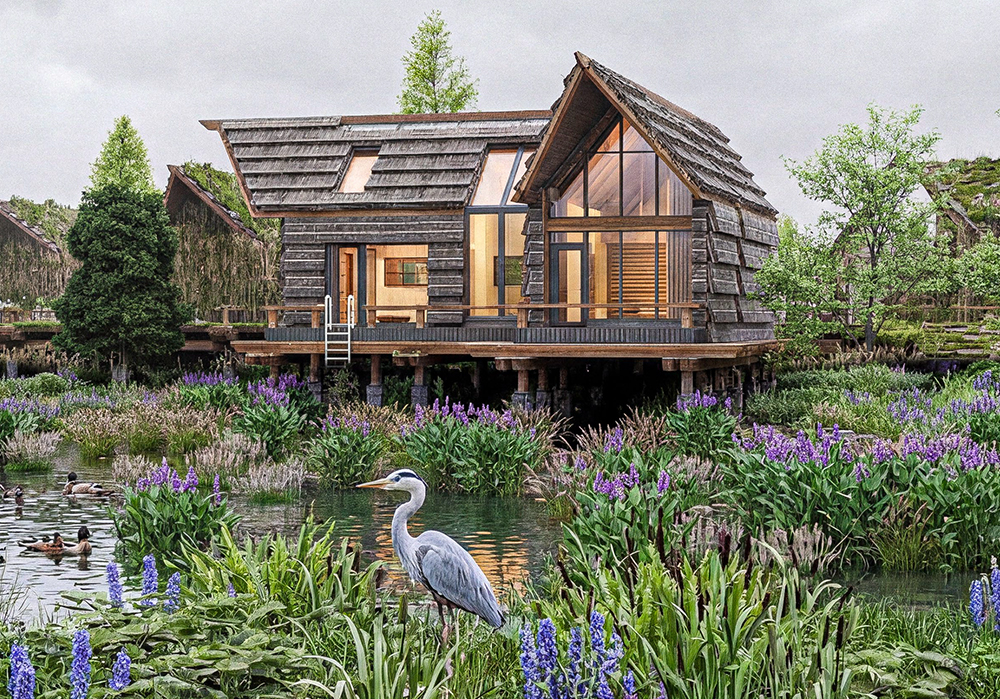
Design speculation translated research into spatial proposals across scales, from territorial strategies to site-specific interventions. Projects addressed themes including regenerative landscapes, water management, rural economies, and infrastructural reuse, while engaging both human and non-human actors through systems-based and posthuman perspectives.

The resulting work demonstrates a sophisticated synthesis of research and design, offering grounded yet speculative proposals that challenge conventional development models. Collectively, these projects position infrastructural architecture as a catalyst for environmental regeneration, social equity, and futures.

We extend our sincere thanks to our staff, consultants, stakeholders, and, most importantly, our students. It has been a pleasure to work with you all.
Architect in Studio

Architect in Studio: Strategy (AiSS)

Architect in Studio: Strategy (AiSS)

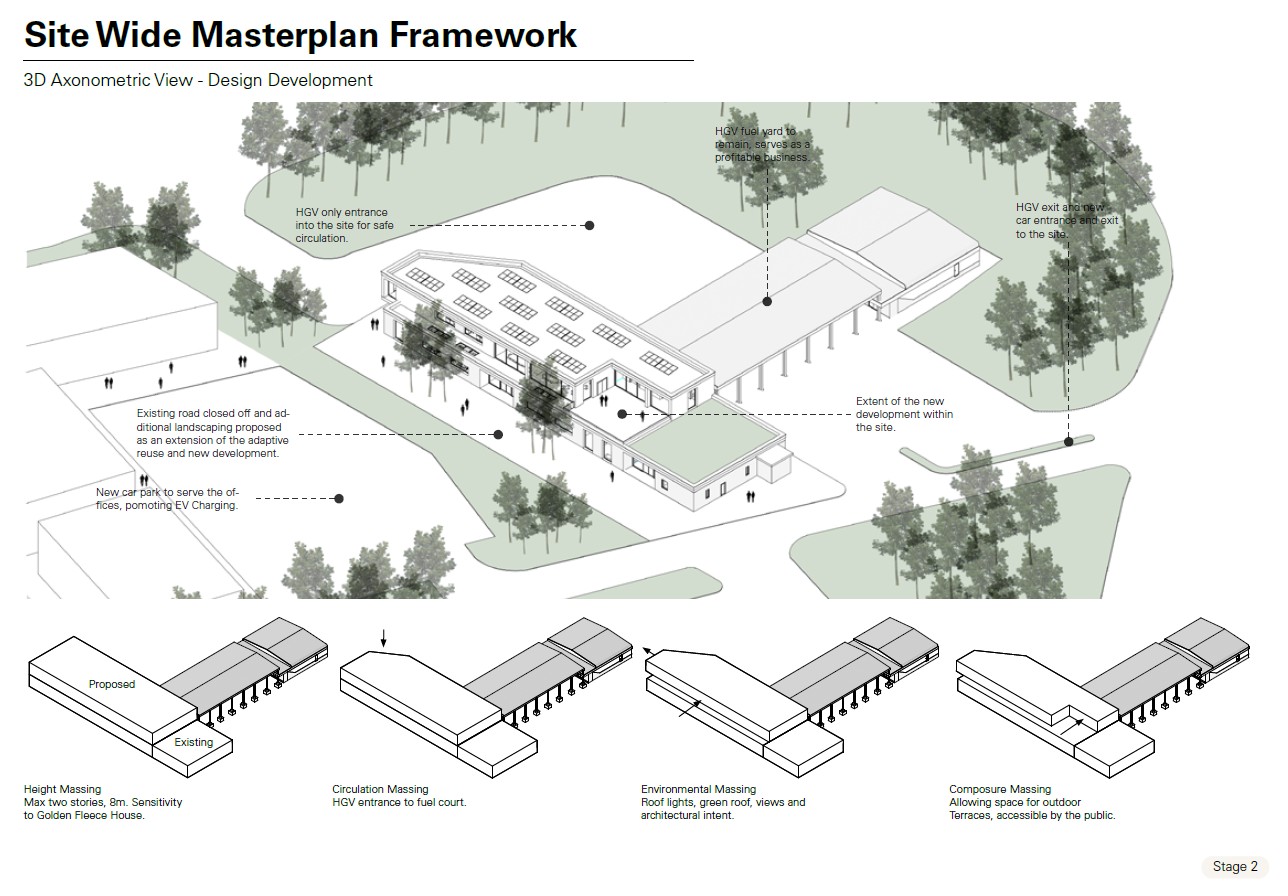
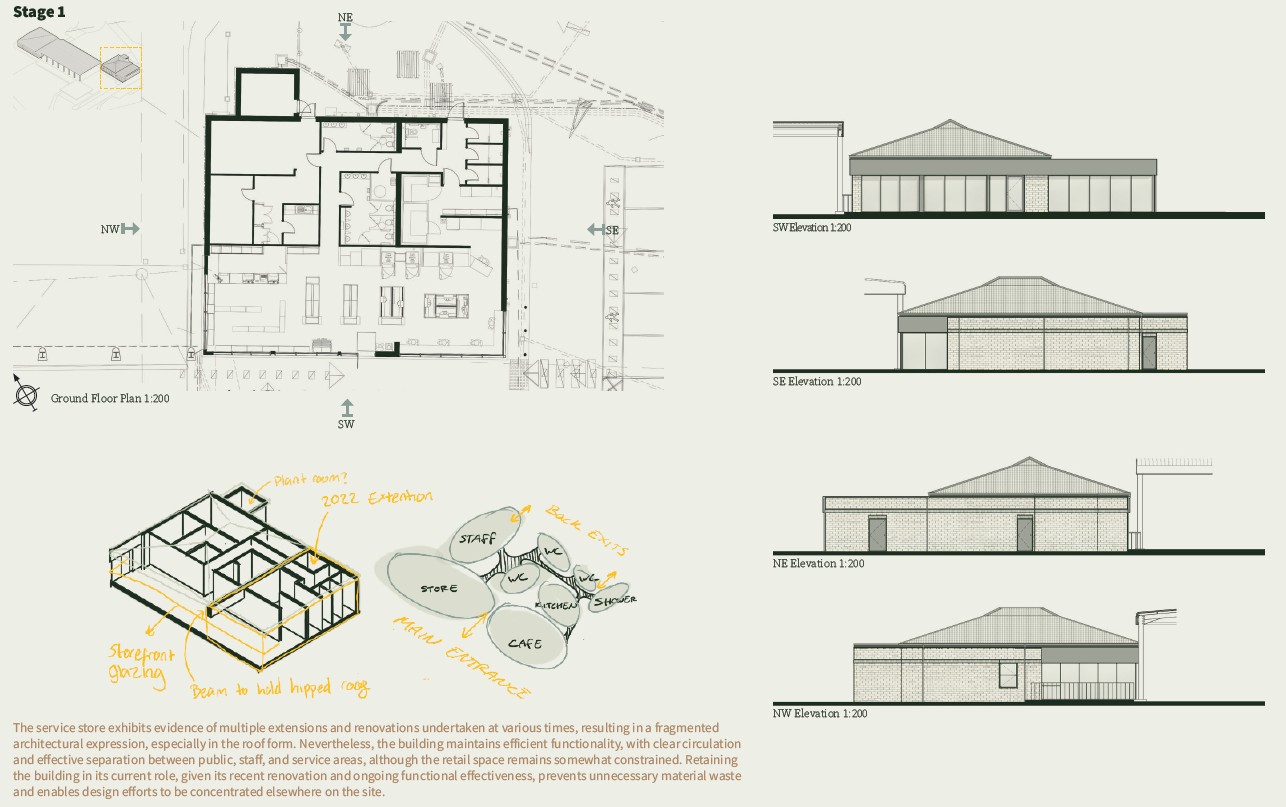
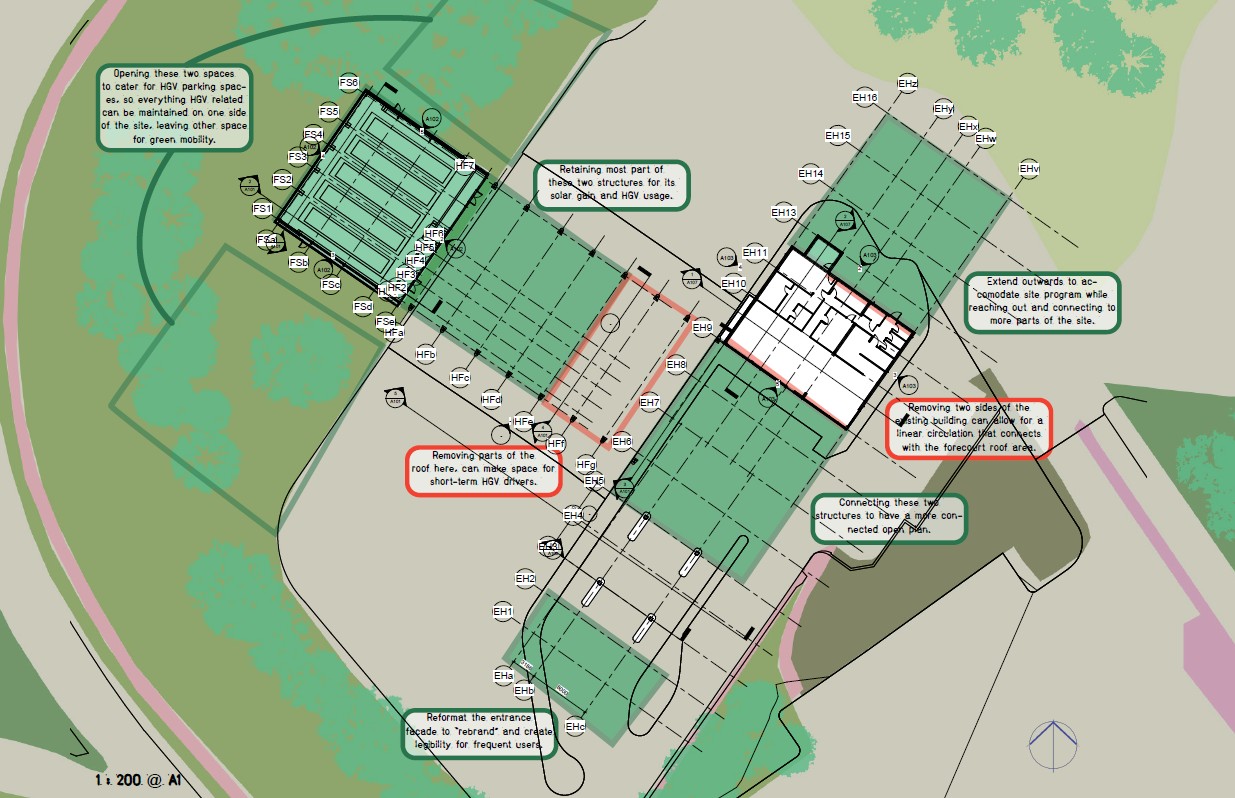
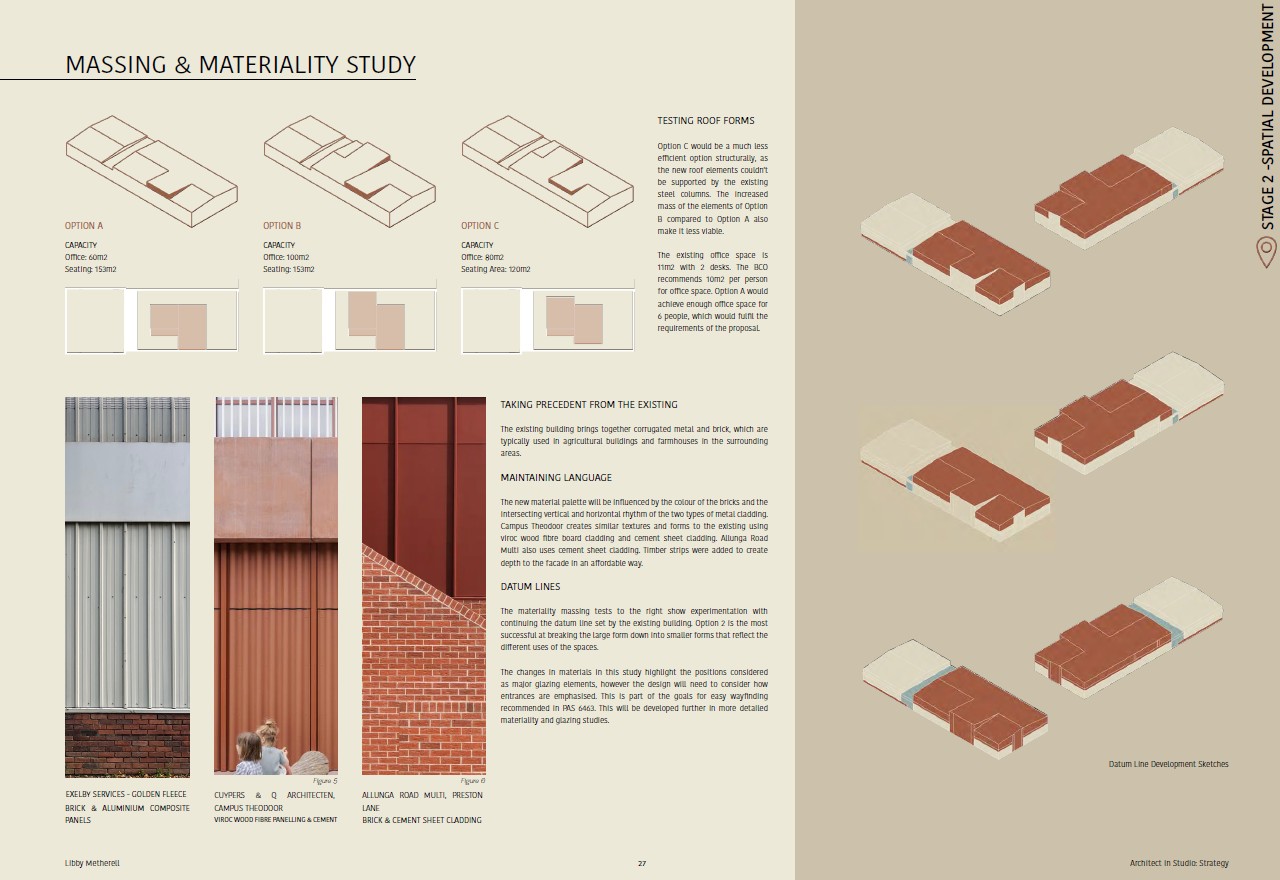
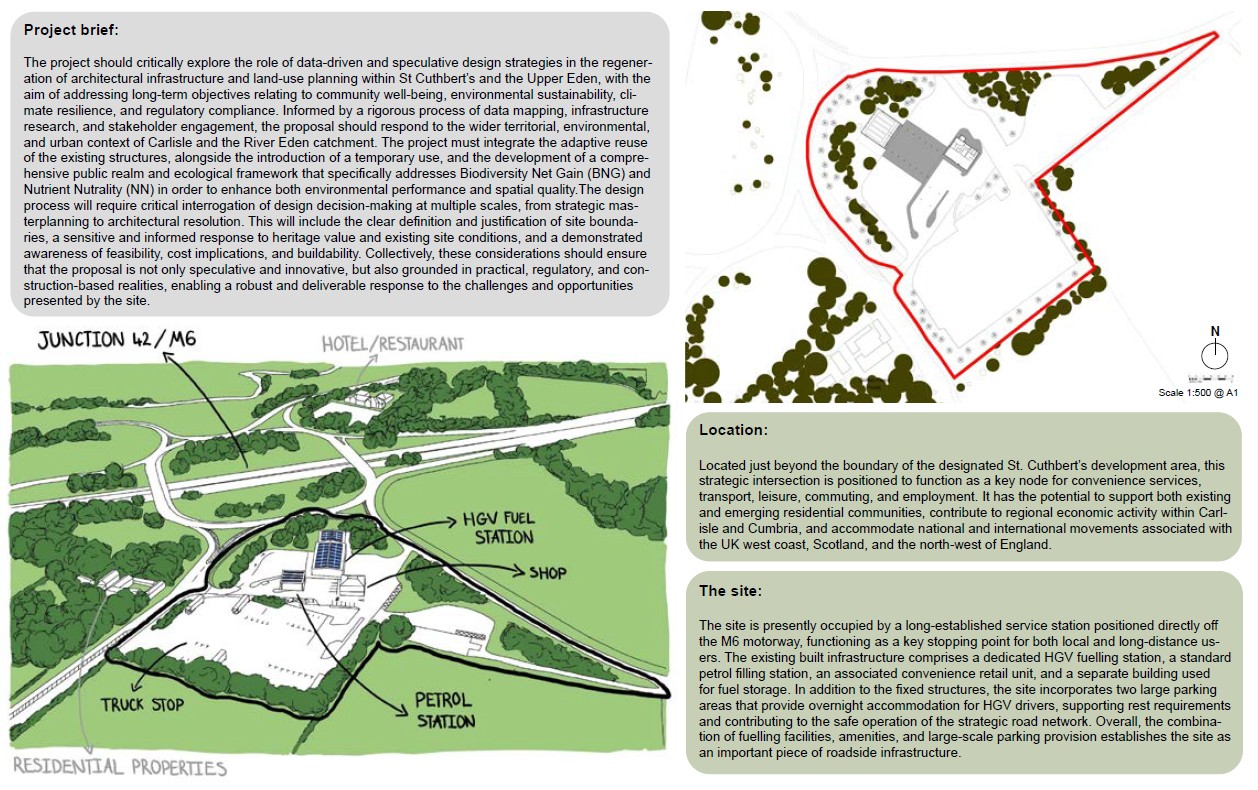
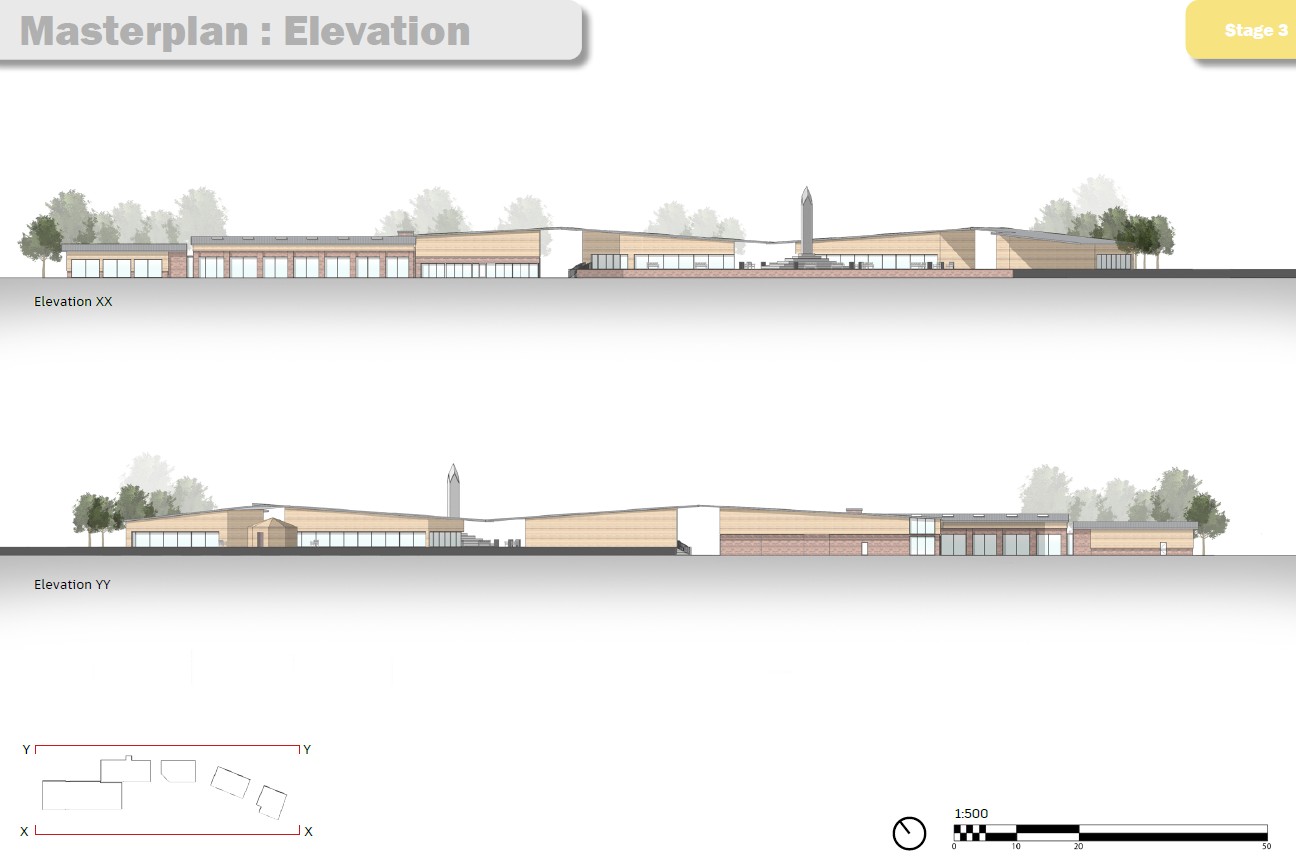
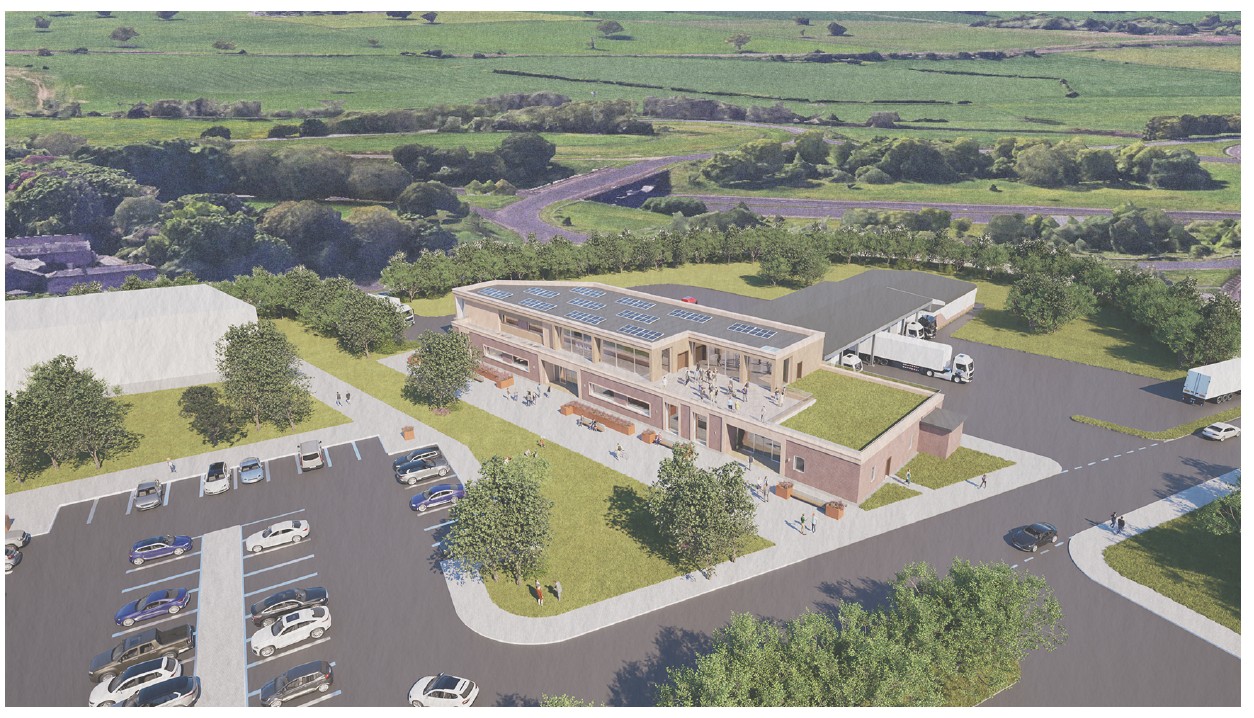
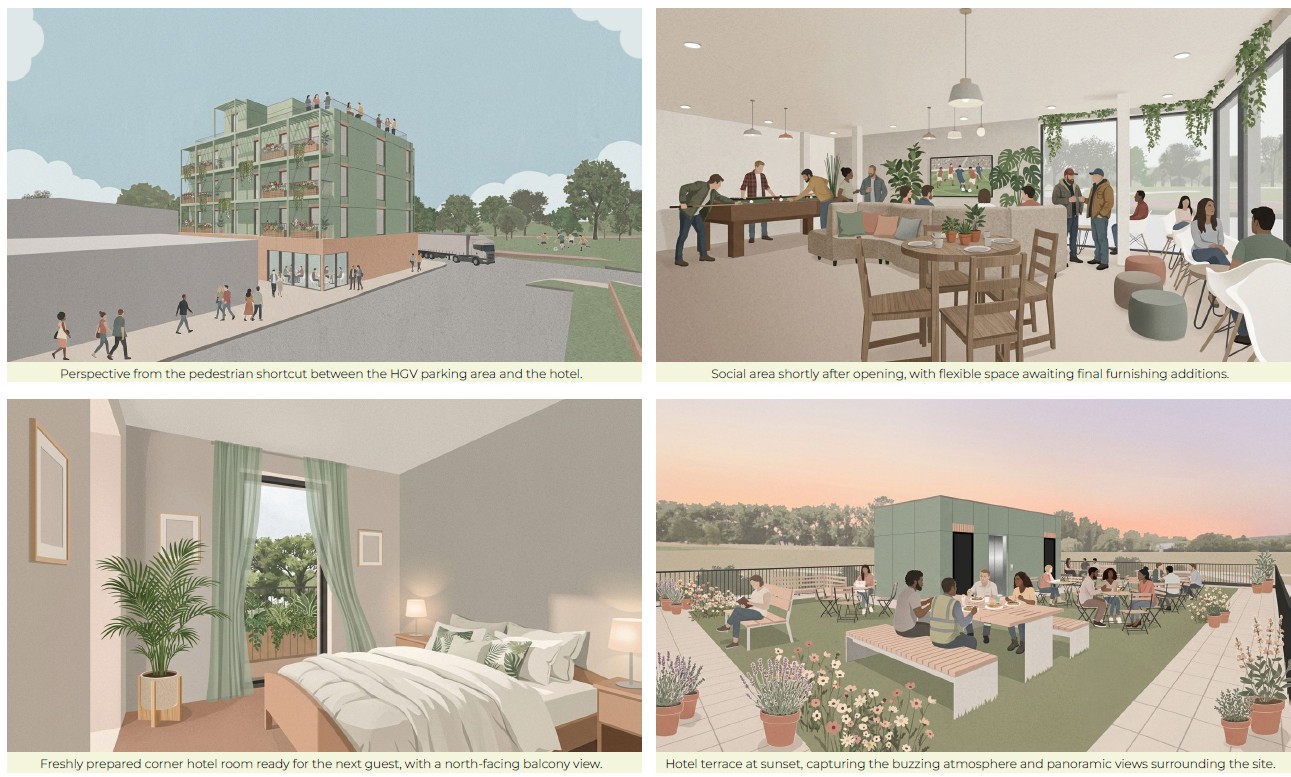
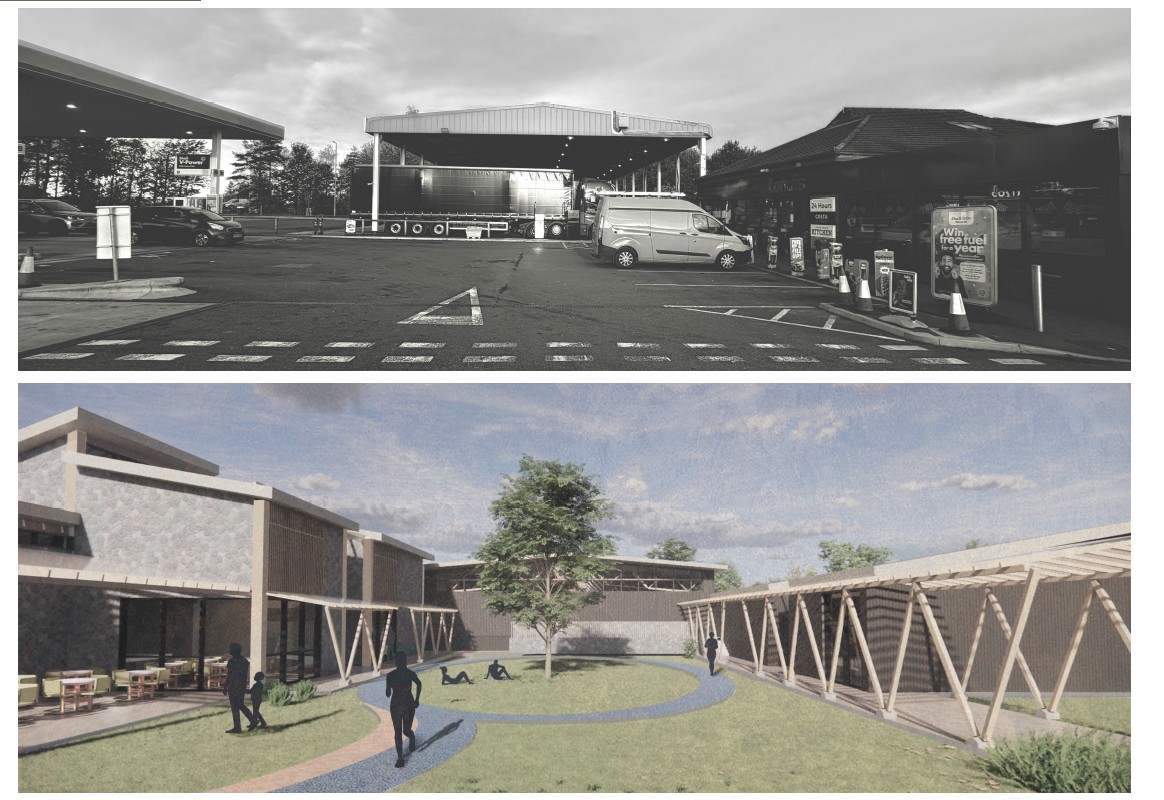
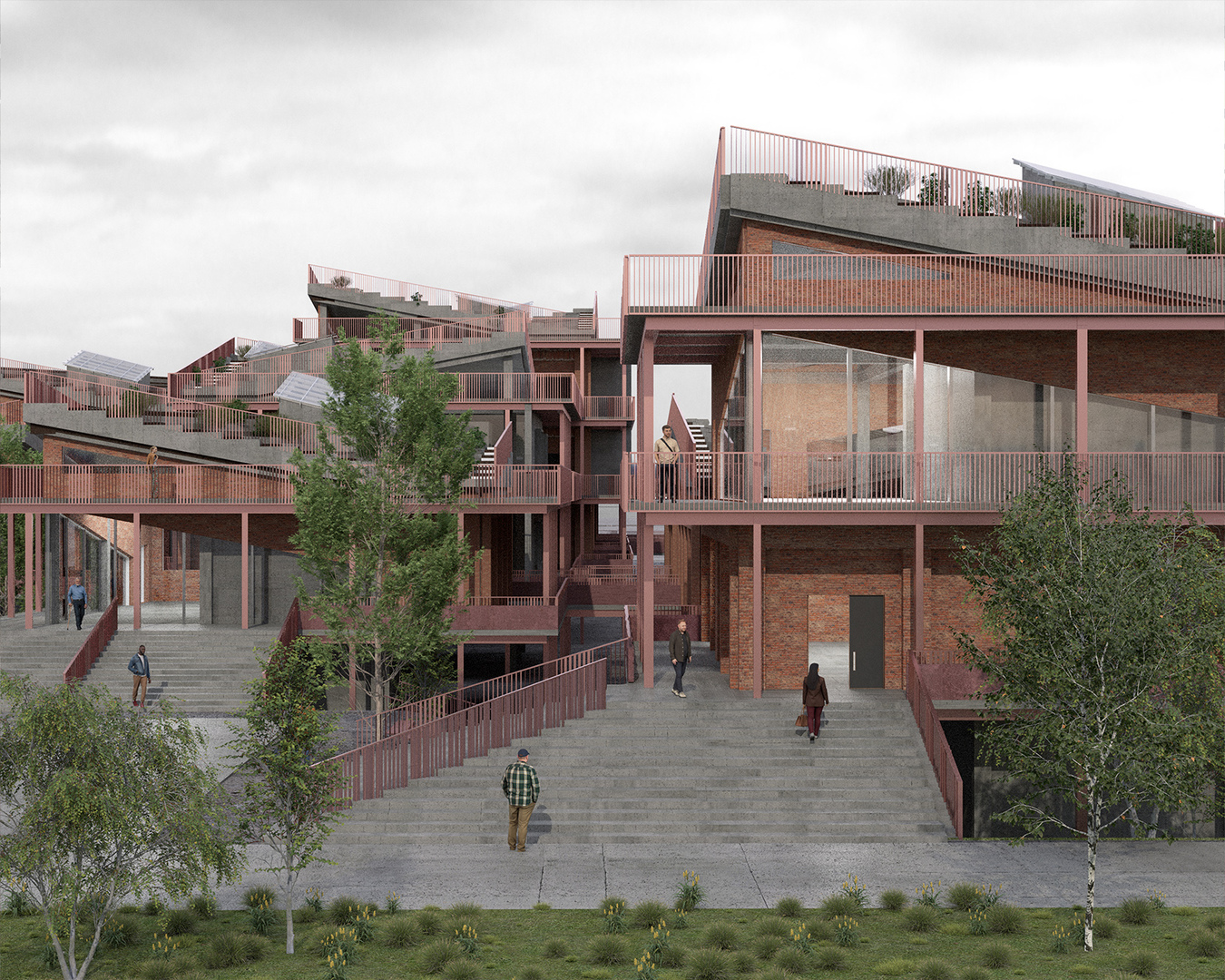
The Infrastructure Space MArch 1 cohort have developed Stage 3A adaptive reuse proposals of Exelby HGV and standard petrol filling service station and associated buildings.

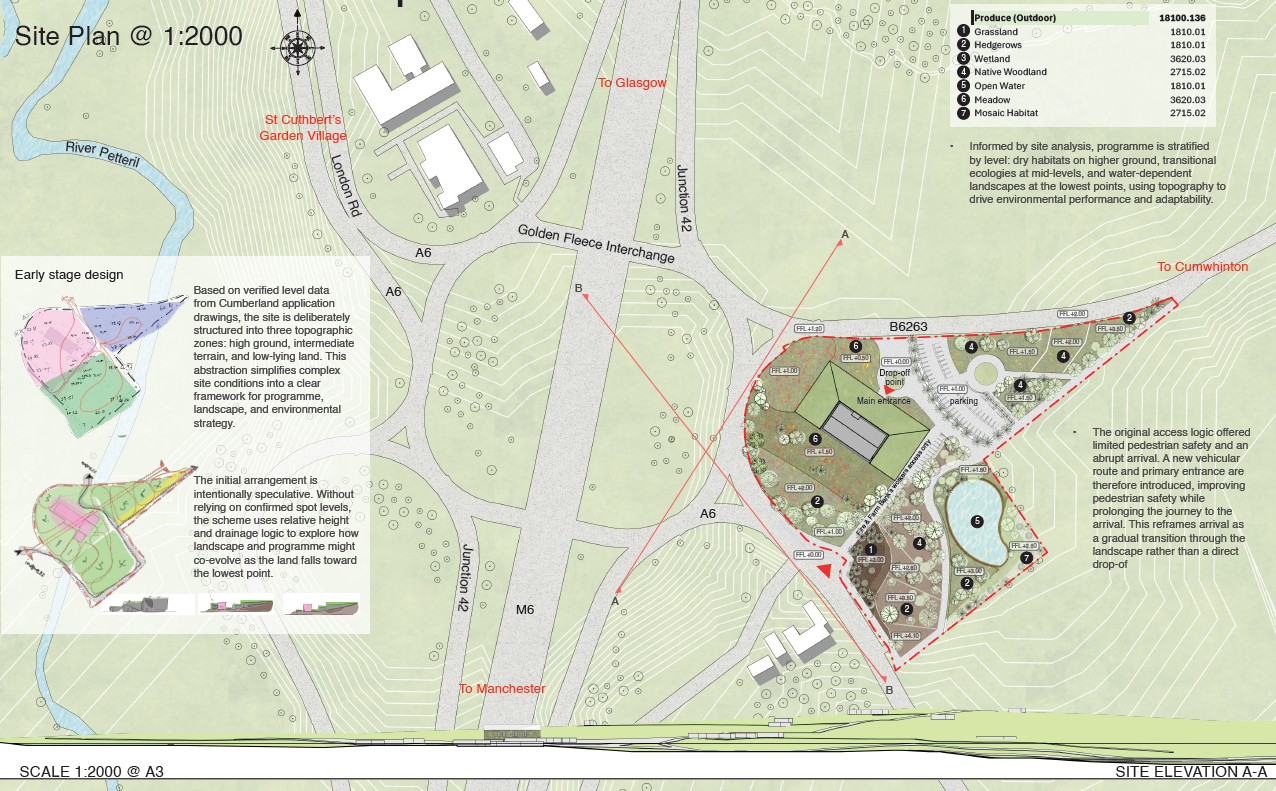
The site is adjacent to the St Cuthbert's Garden Village proposal in Cumbria, designated as part of the Government's Garden Towns and Villages Programme in 2017, featuring 10,000 proposed new homes, and existing within complex and evolving political contexts. Exelby services at the 'Golden Fleece Interchange' is located where the A6 intersects the M6 and will likely become a key interface between the homes in St. Cuthbert's and the national road network.

By critically assessing the existing St. Cuthbert's masterplan, the existing site structures, and opportunities presented by existing and new infrastructure, projects have investigated the future of transport, latent industrial reuse, and ancillary services. Students are asked to critically ground their projects in a regional, national, and global understanding of Political, Economic, Digital/Technological, Societal, Social, Ecological and Spatial parameters.

During Architect in Studio: Strategy, Infrastructure Space students have developed their research and positions through engagement with stakeholders across local government, policy makers, multi-national and local organisations, non-governmental organisations, and academics.

Architect in Studio: Resolution (AiSR)

Architect in Studio: Resolution (AiSR)

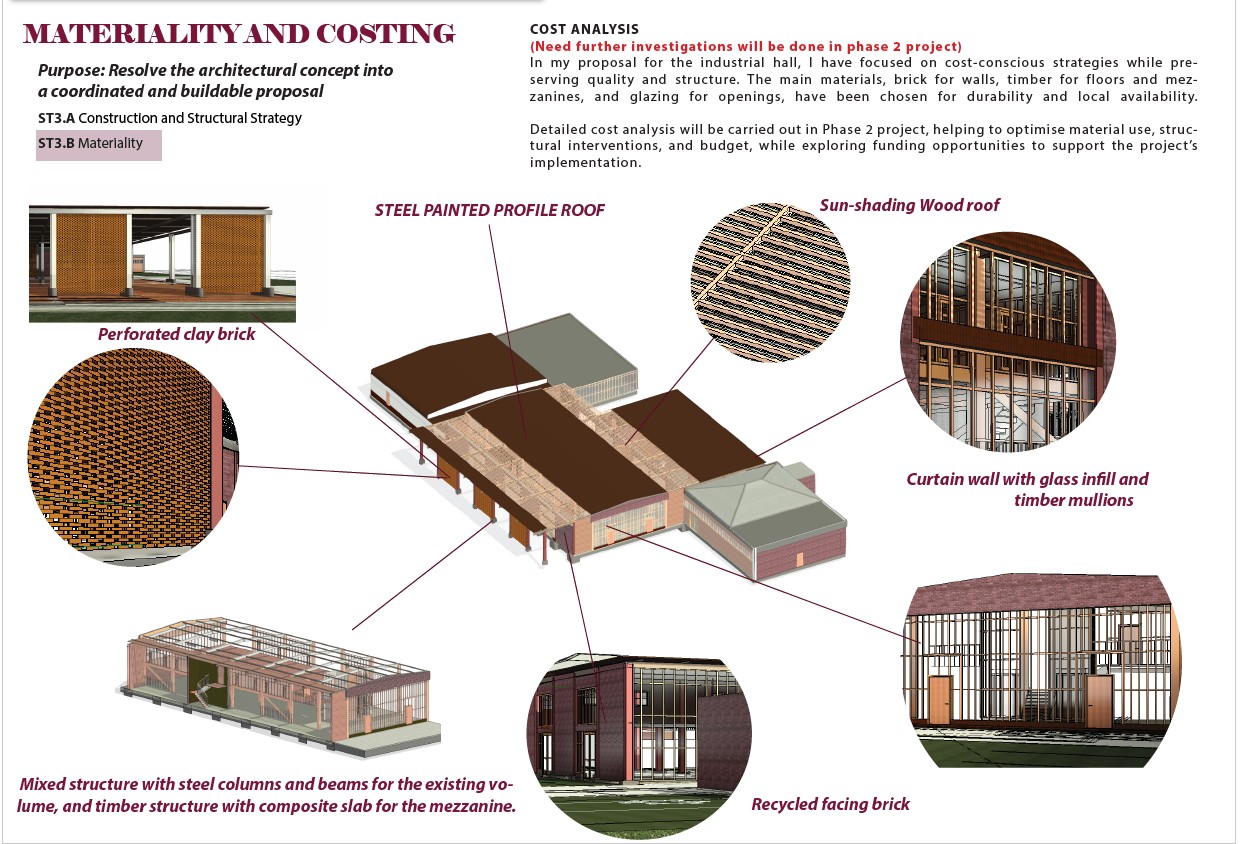
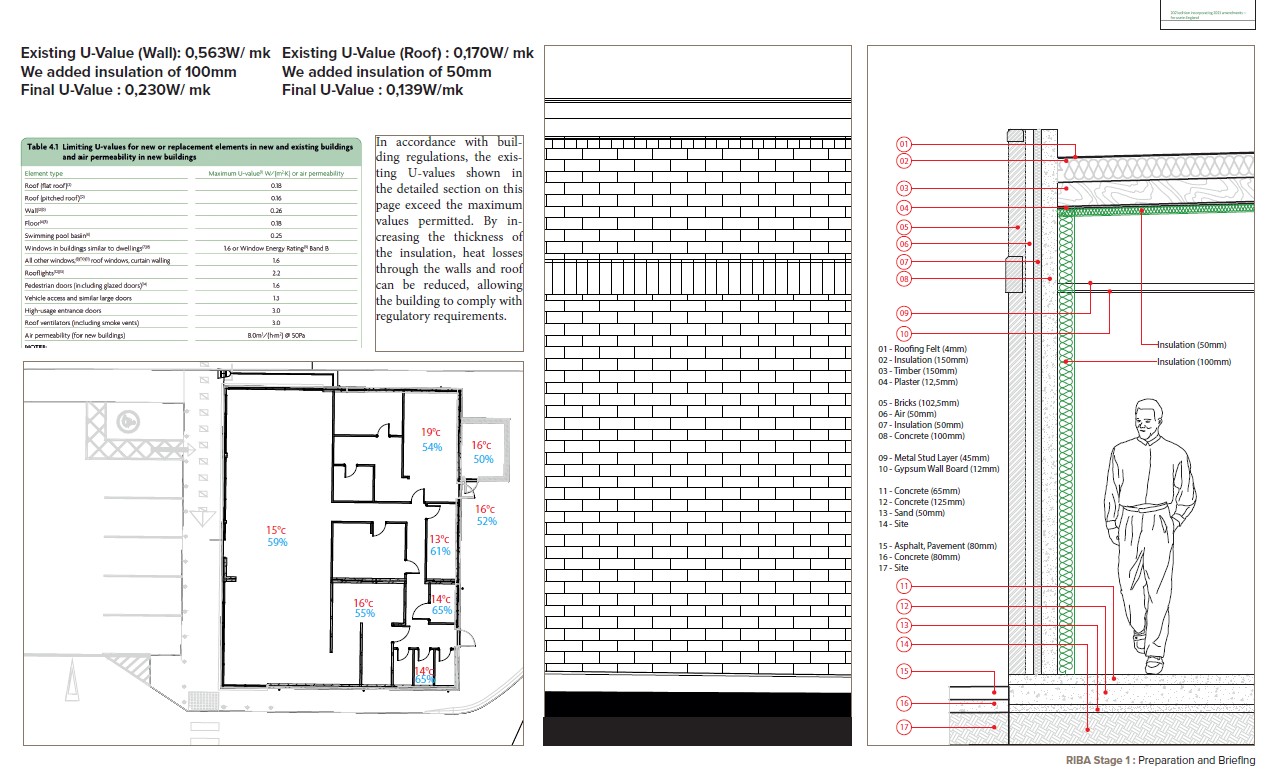
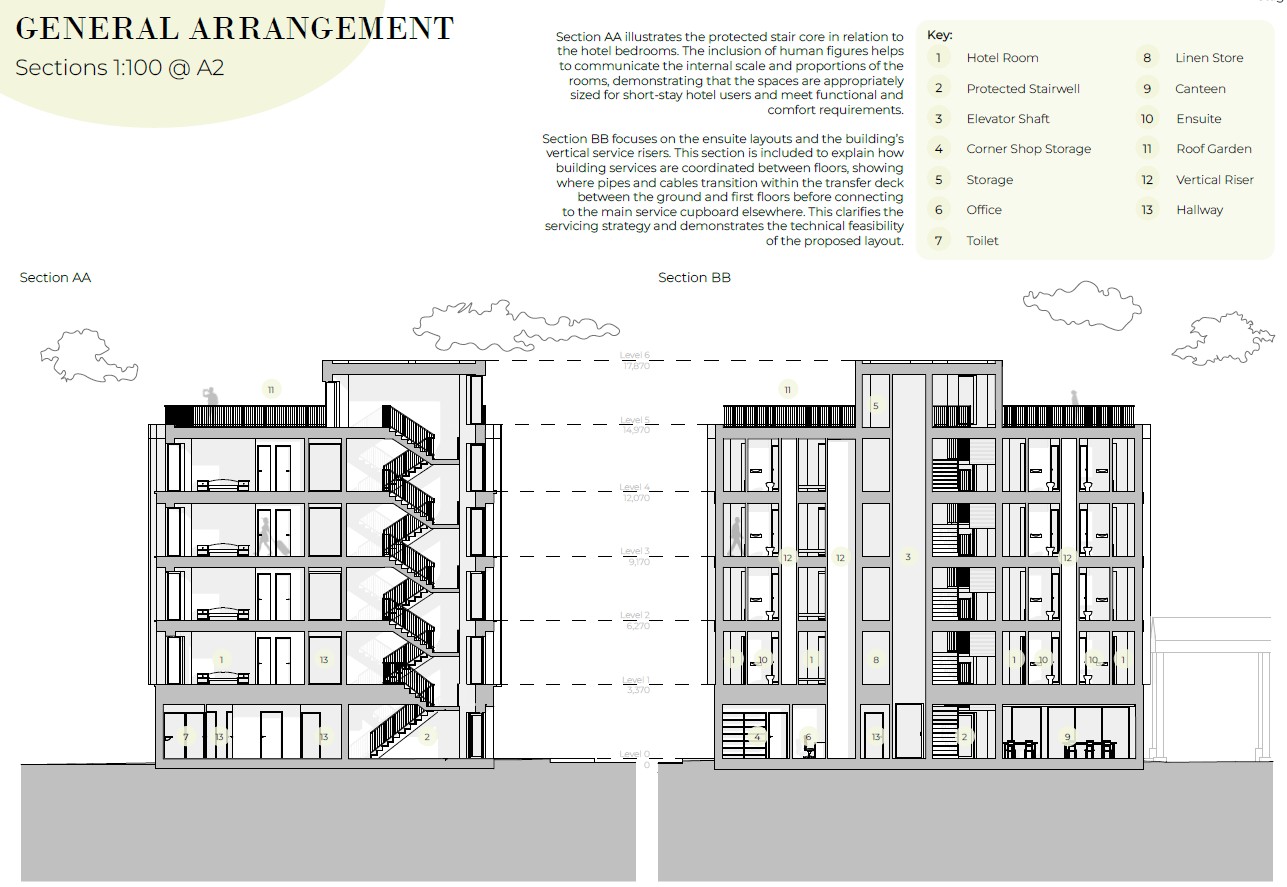
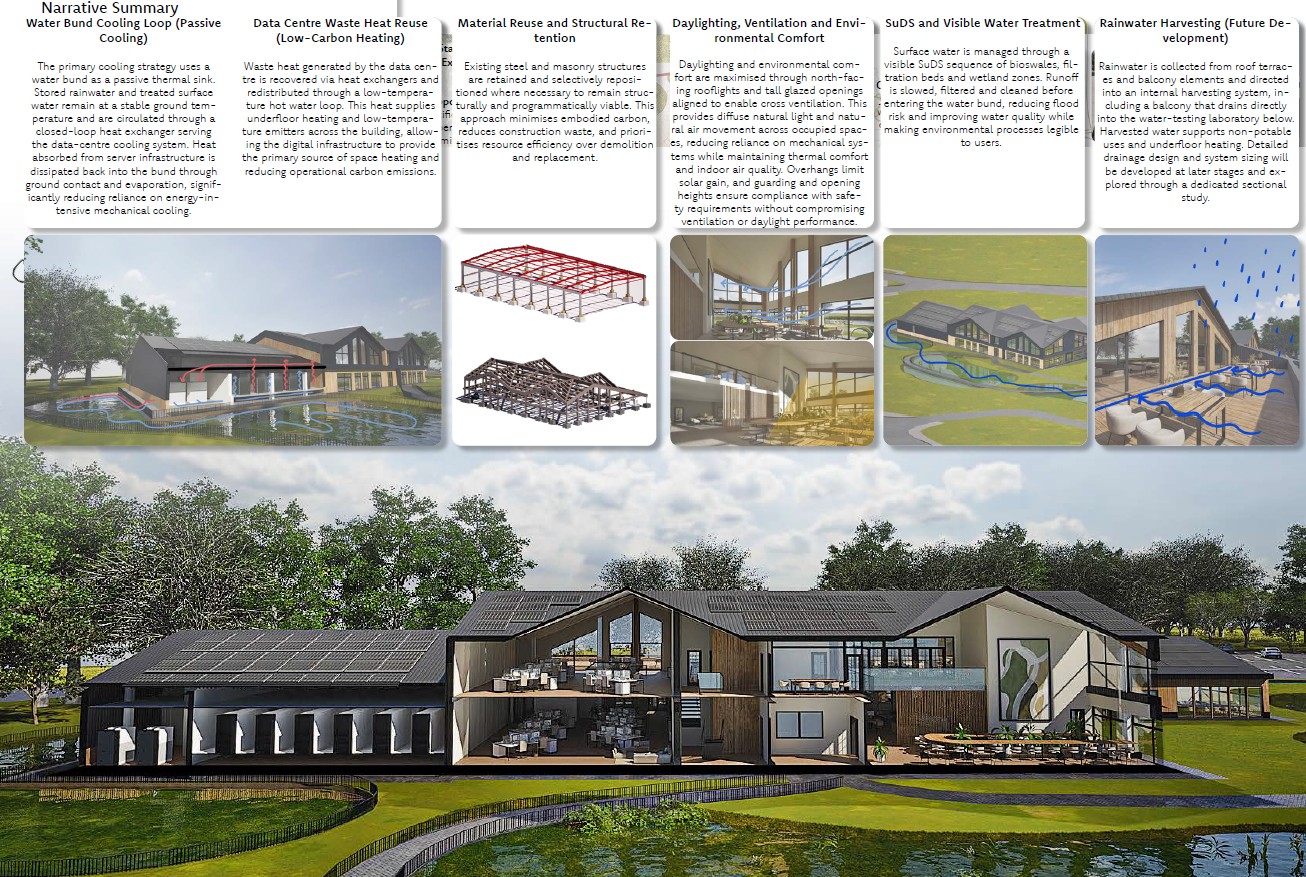
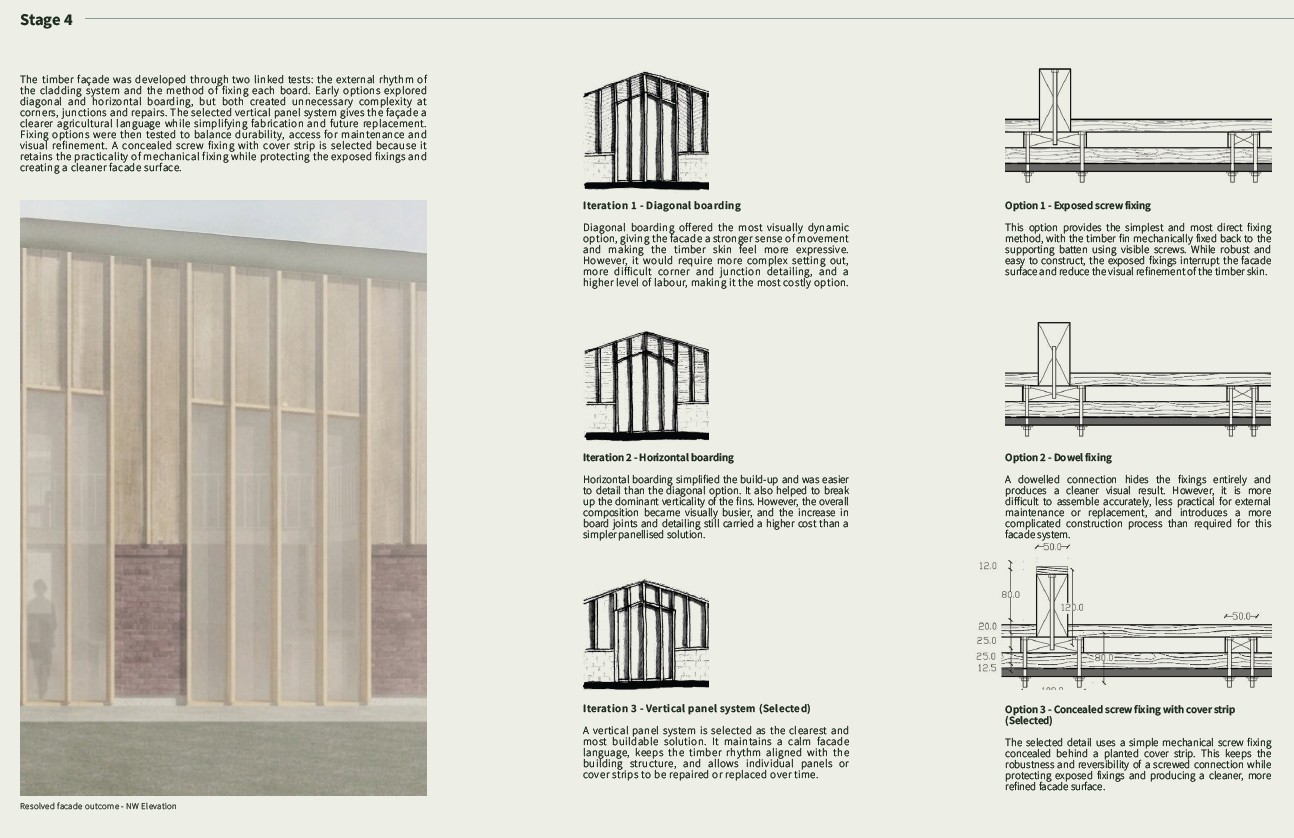
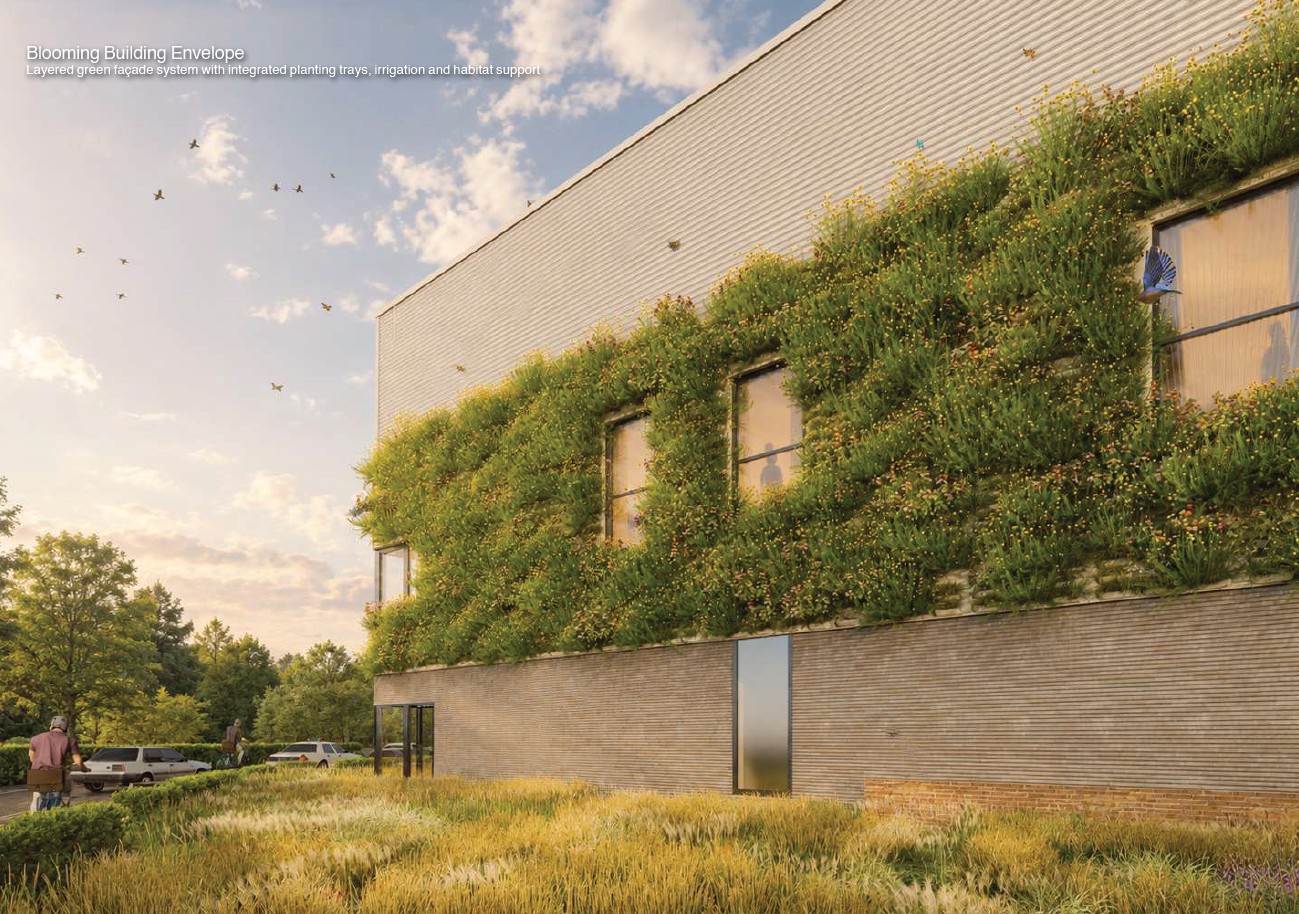
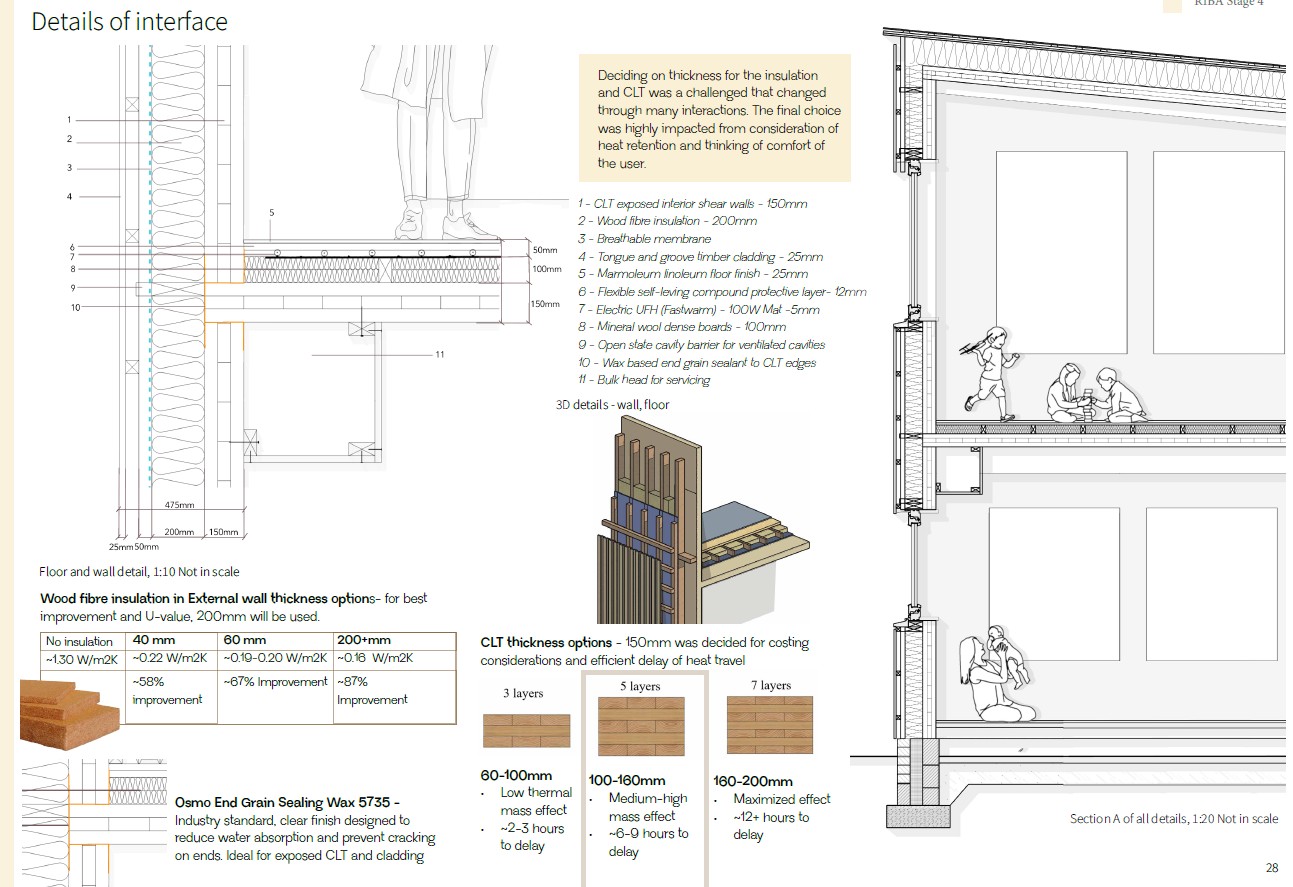
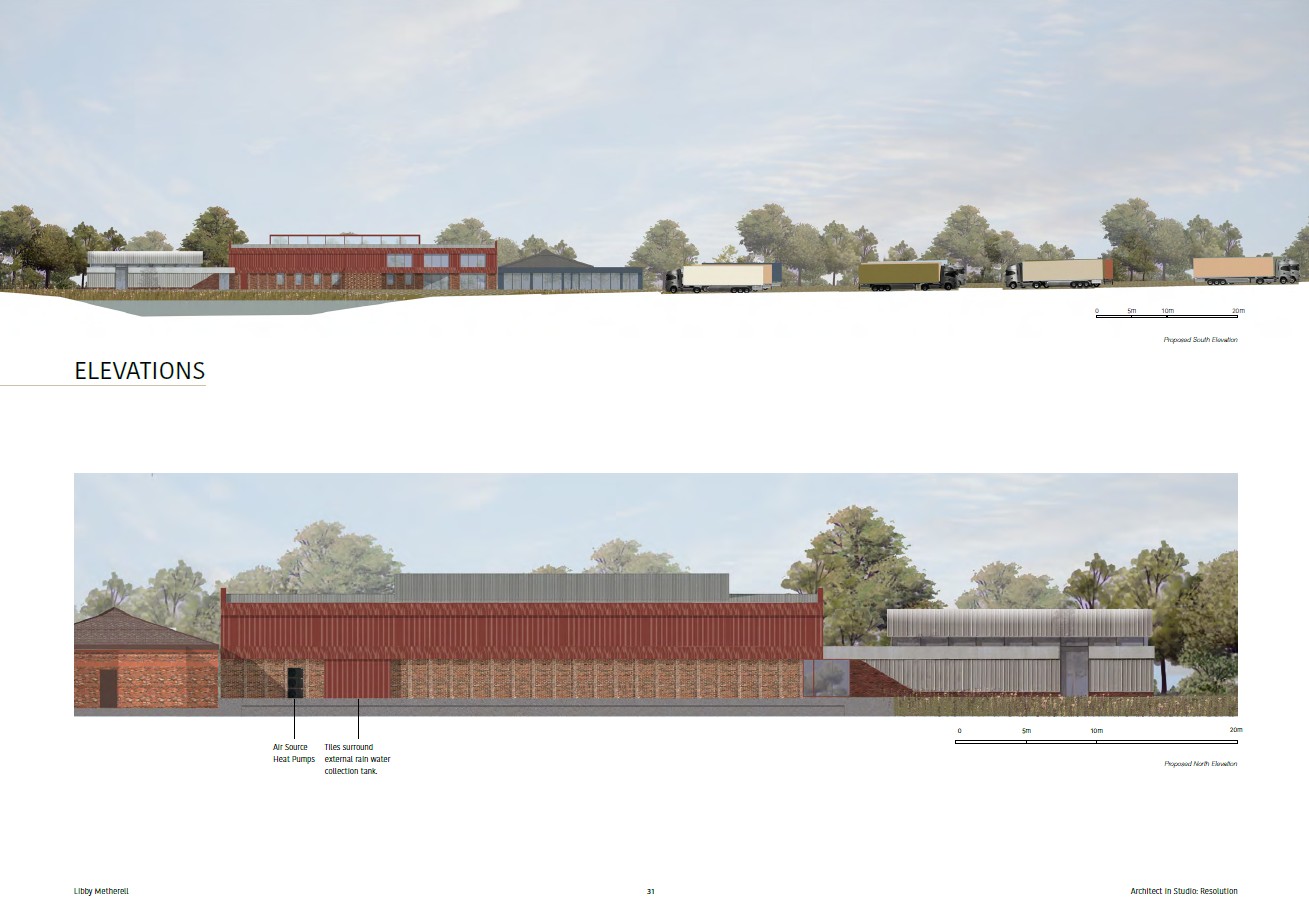
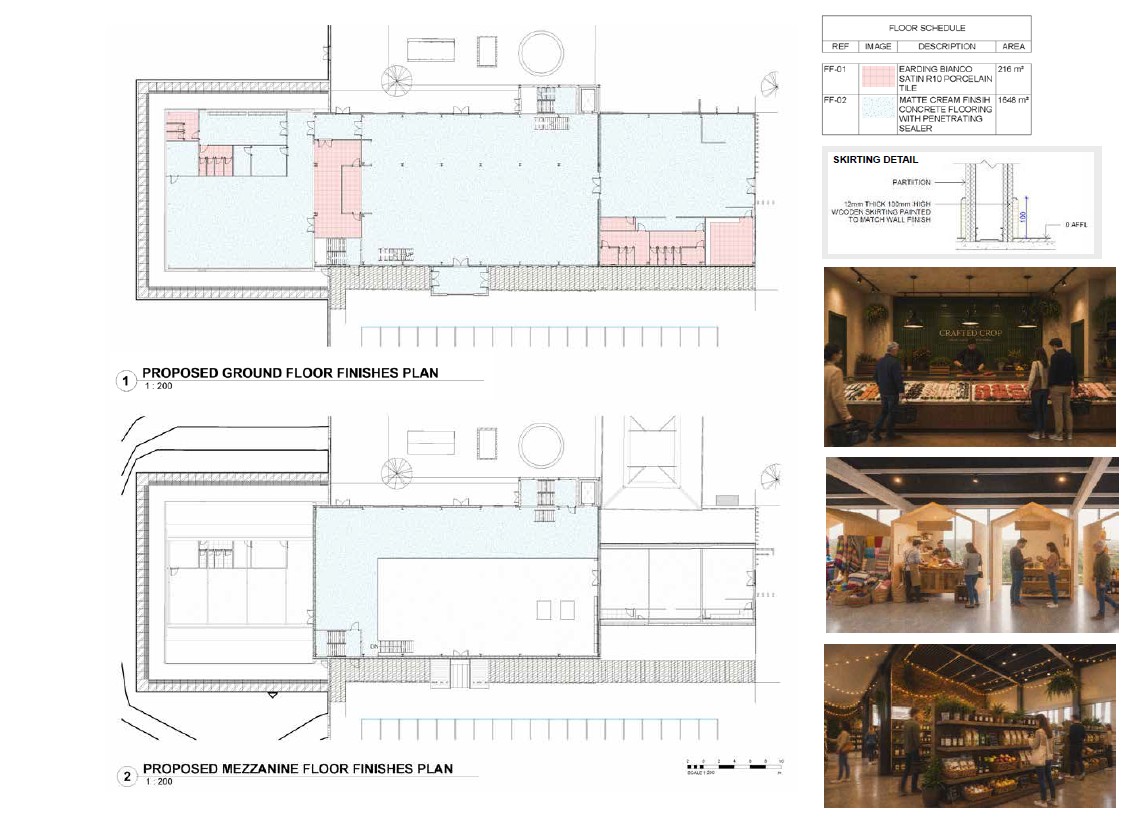
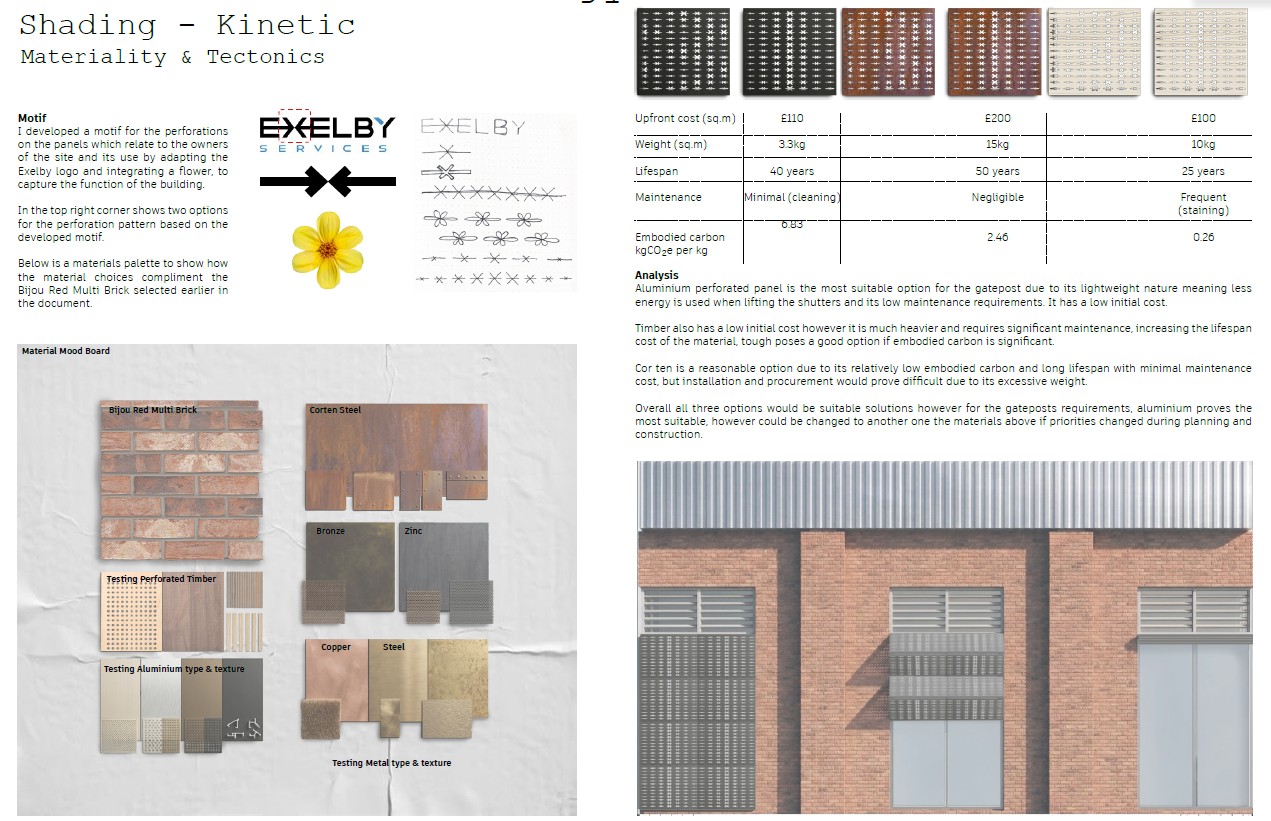
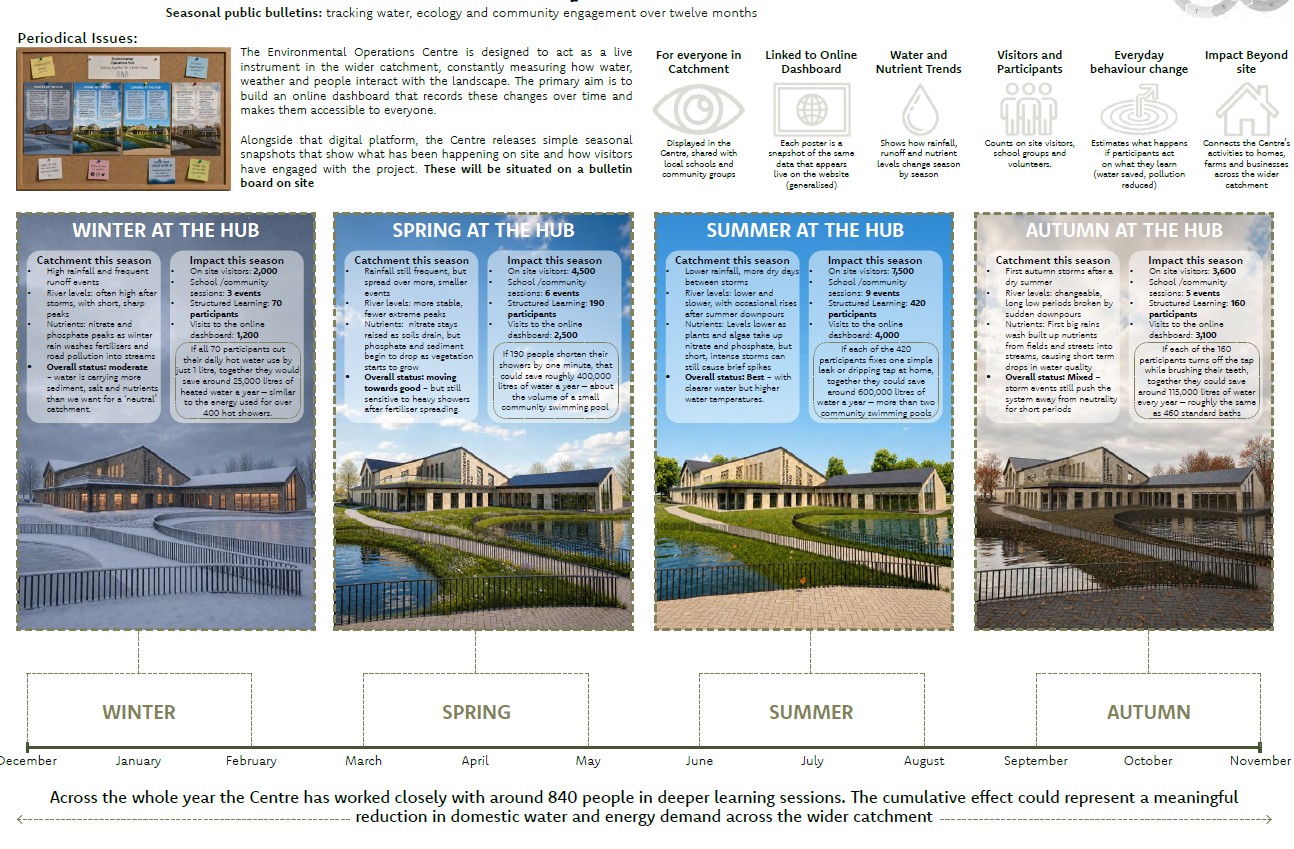
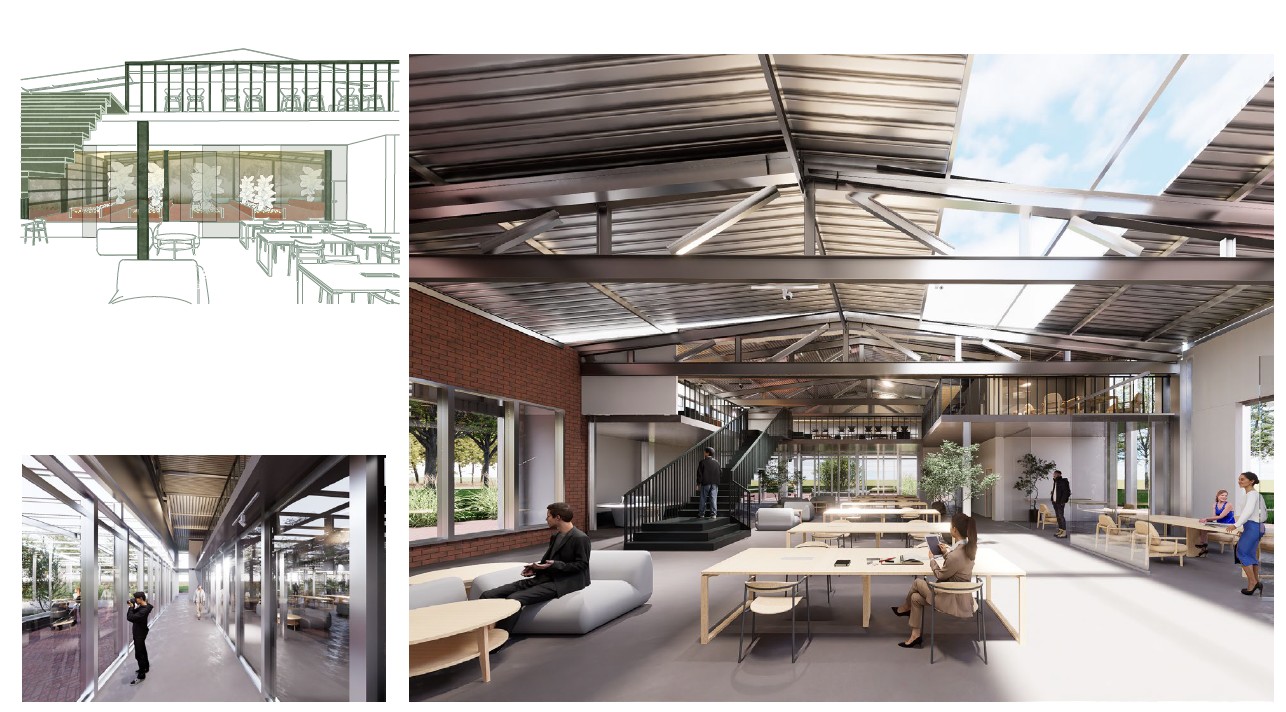
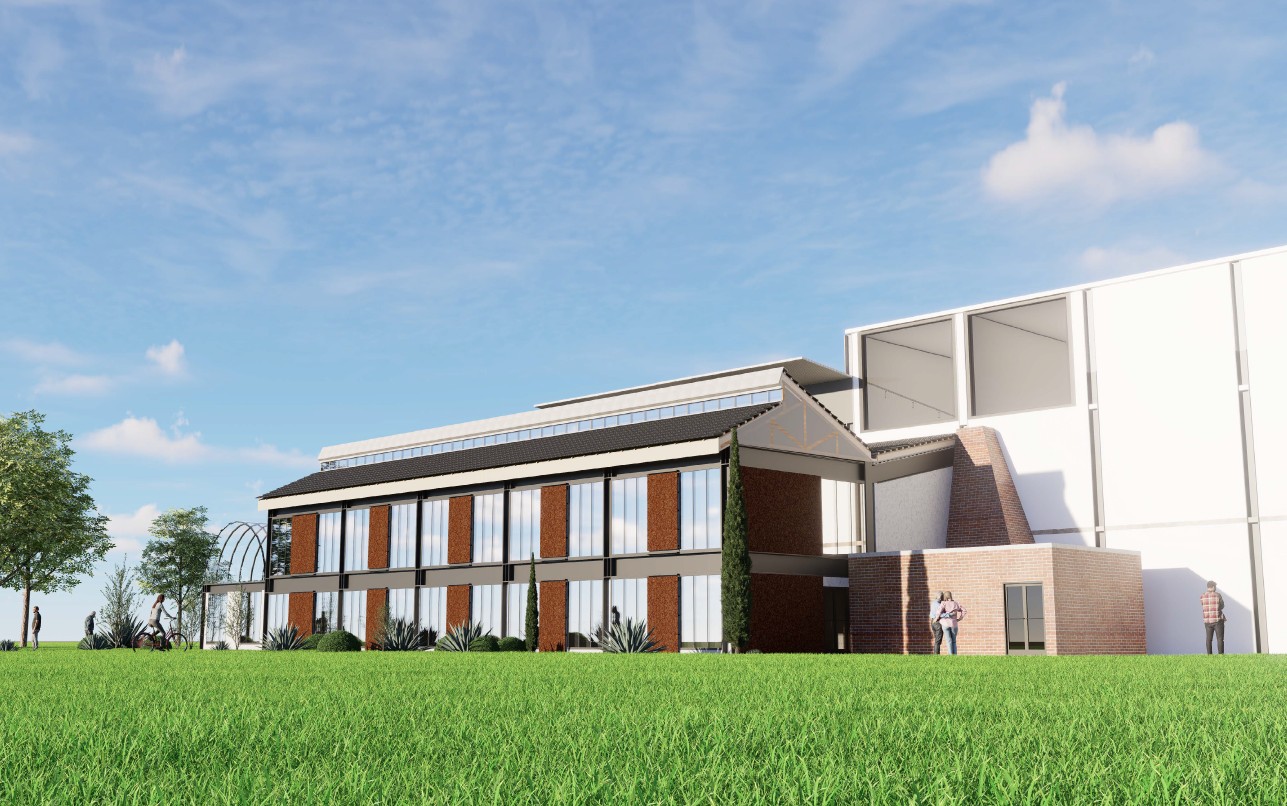
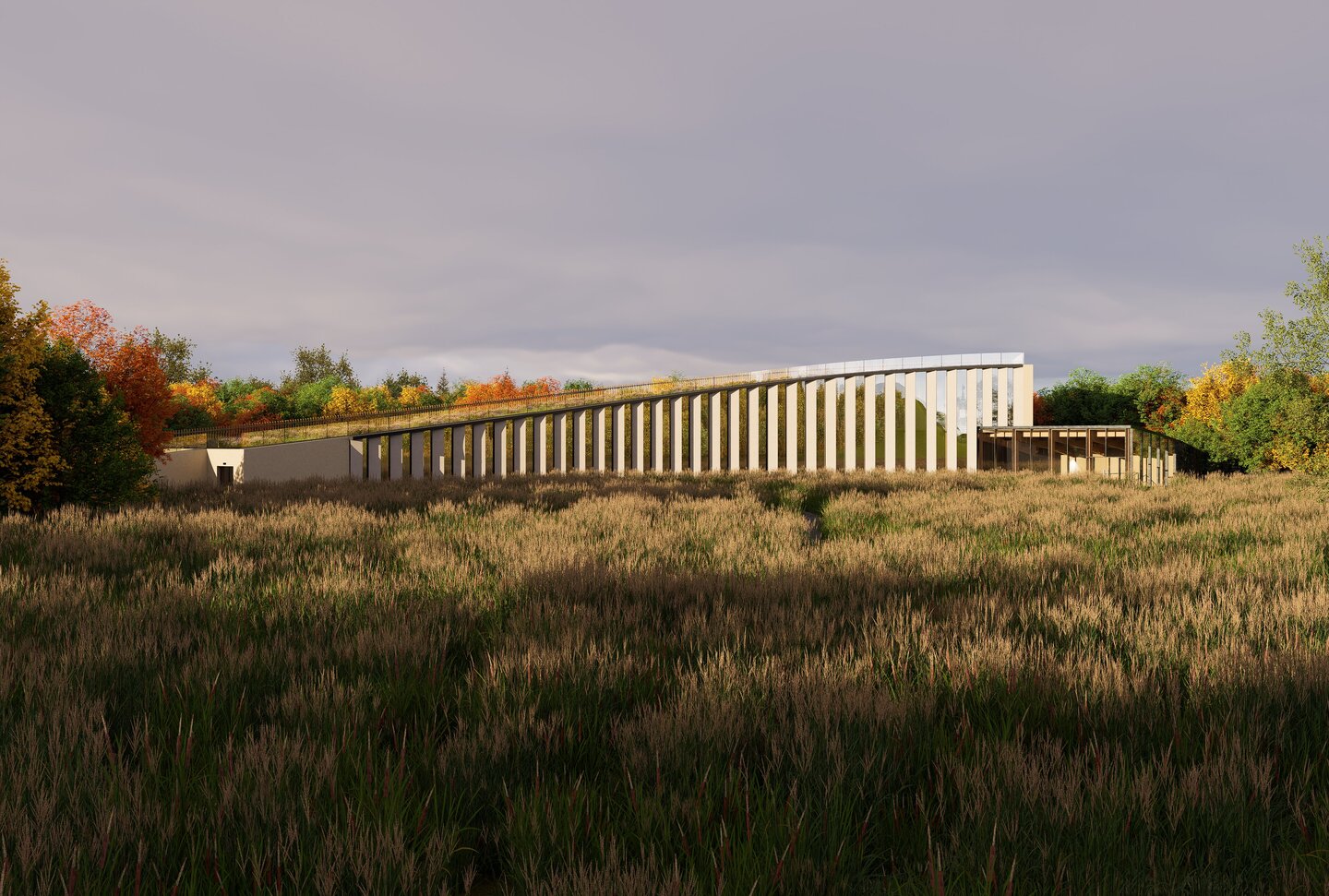
The Infrastructure Space MArch 1 cohort have taken their Stage 3A adaptive reuse proposals of Exelby HGV and standard petrol filling service station and associated buildings in Architect in Studio: Strategy and progressed them to a point of technical resolution from RIBA Stages 3B to 7, and ACAN Stage 8.

The site is adjacent to the St Cuthbert's Garden Village proposal in Cumbria, designated as part of the Government's Garden Towns and Villages Programme in 2017, featuring 10,000 proposed new homes, and existing within complex and evolving political contexts. Exelby services at the 'Golden Fleece Interchange' is located where the A6 intersects the M6 and will likely become a key interface between the homes in St. Cuthbert's and the national road network.

By critically assessing the existing St. Cuthbert's masterplan, the existing site structures, and opportunities presented by existing and new infrastructure, projects have investigated the future of transport, latent industrial reuse, and ancillary services.

Engaging with structural engineers, architectural technologist, and external architects, projects have critically and iteratively developed and students have produced design positions that mediate the competing requirements of value, cost, quality, sustainability, carbon, procurement, buildability, and aesthetics.

Students

MArch2

Kwok Hei Chan, Cheuk Lam Cheung, Nour Elzawi, Jacob Hodgson, James Keogh, Hoi Yung Ma, Andreea Mocanu, Ariana Molina Jara, Jonatan Mueller, Nikhil Nagar, Cheuk Kwan Ng, Zachary Ng, Emanuil Petrovich Sklianin, Daria-Ioana Teodorescu, Xiuying Tian, Shao-Yu Wang, Yiyang Wang, Wenchi Ye