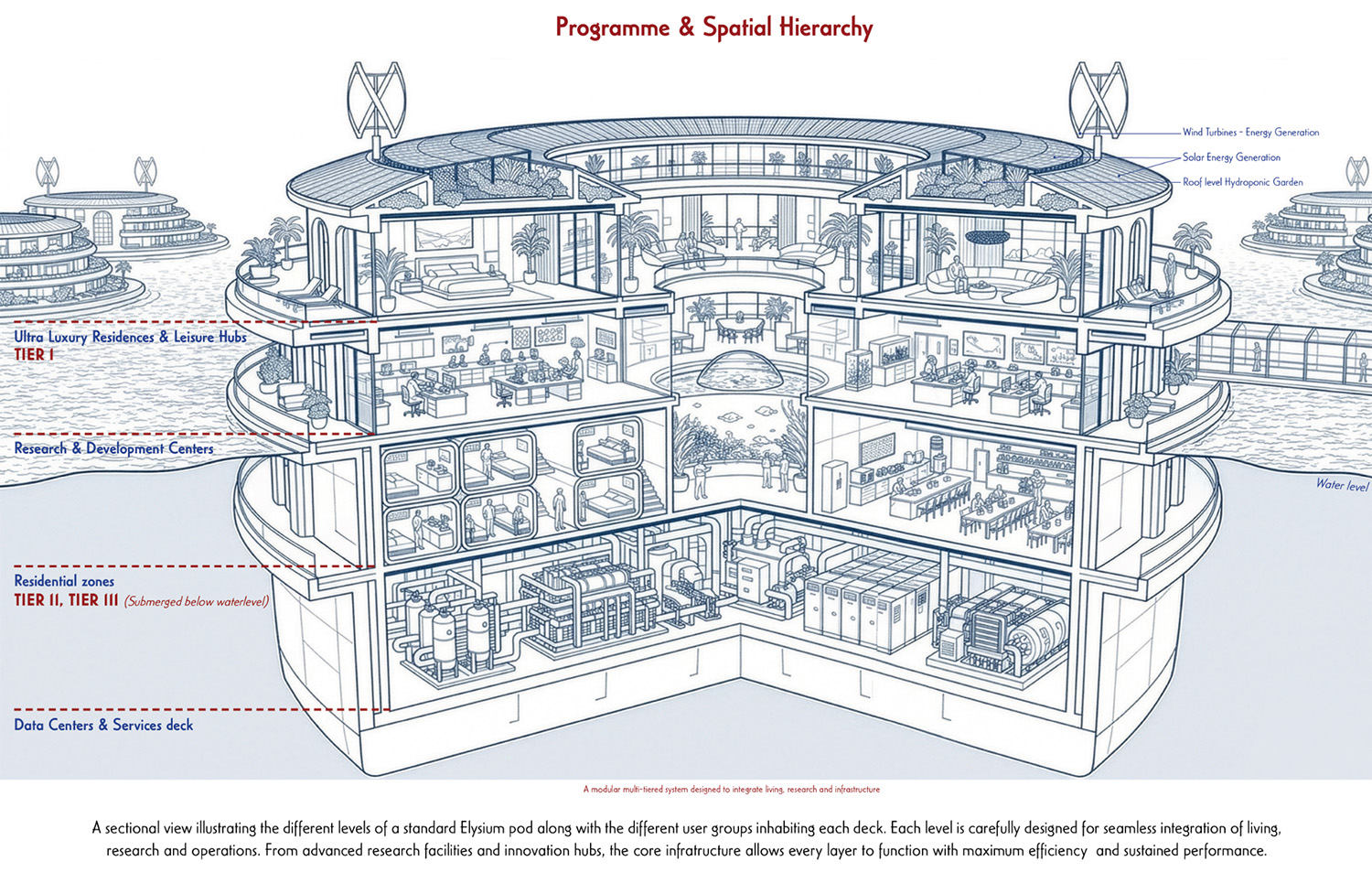
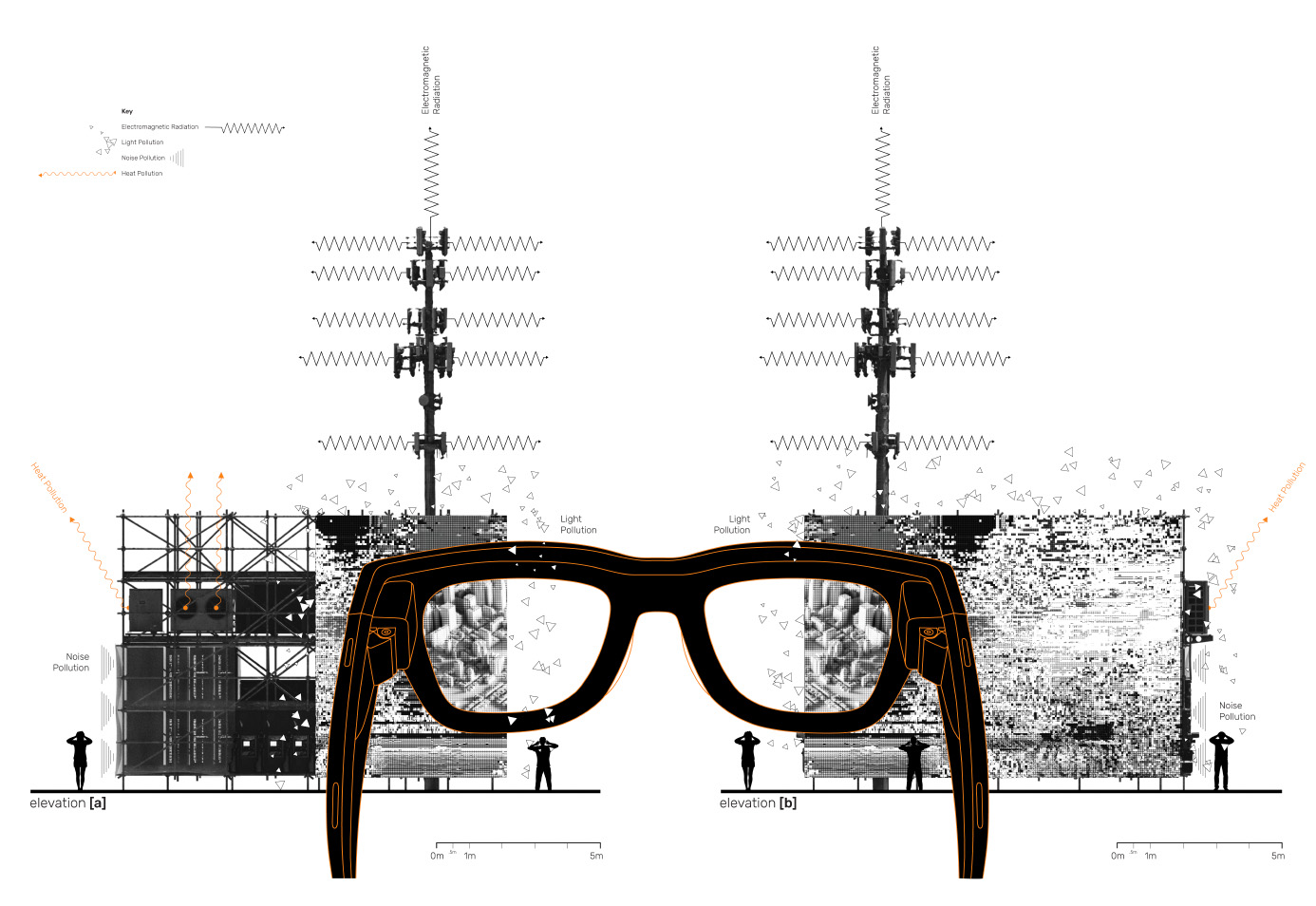
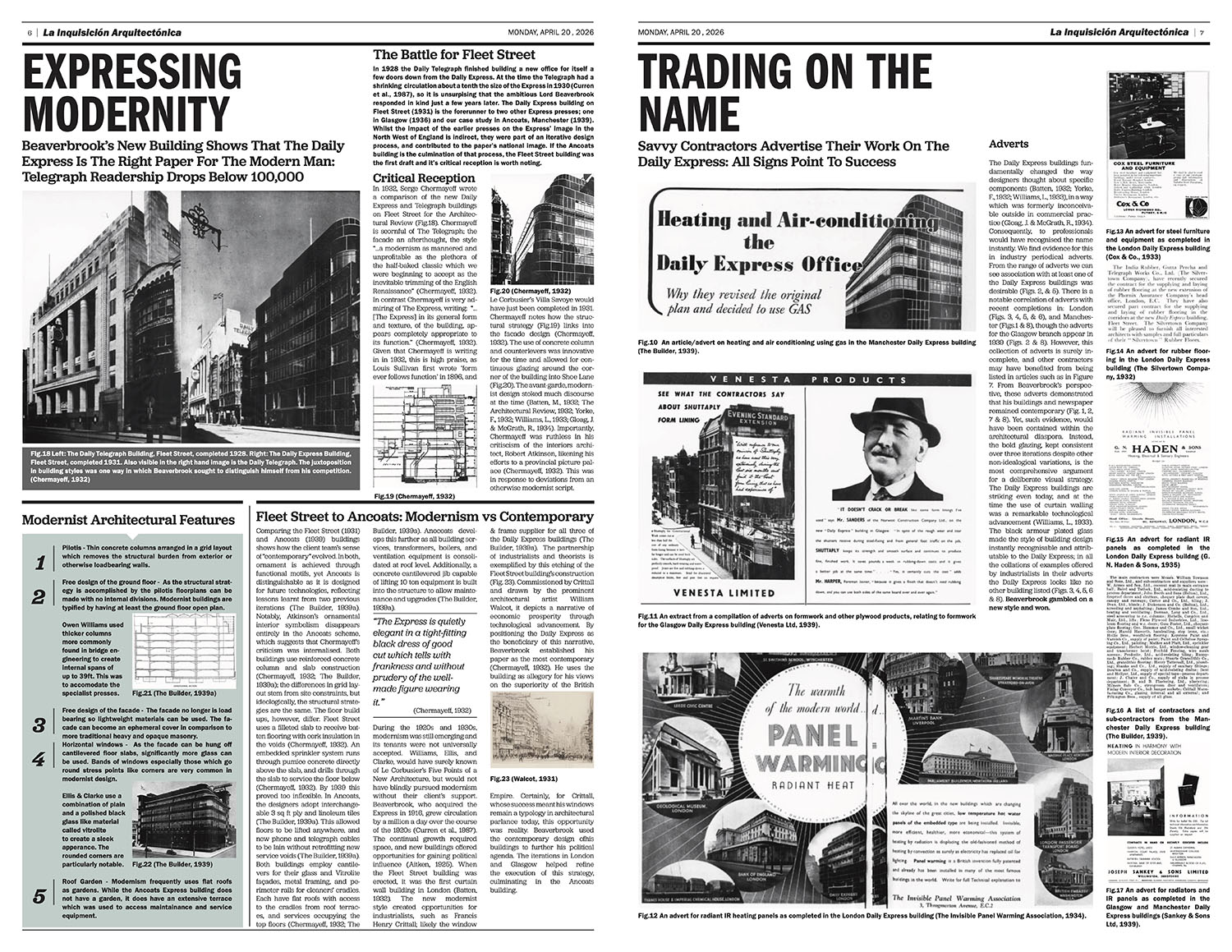
Across the Architect as Researcher module, research is understood broadly and experimentally. Students are encouraged to develop their own lines of enquiry in relation to their academic interests, professional ambitions, and personal backgrounds. Workshops may involve archival research, mapping, diagramming, oral history, actor-network theory, model making, critical reading, visual analysis, site visits, and engagement with external partners. This variety allows students to understand architecture as inseparable from wider questions of politics, economy, history, culture, environment, society, and media.
Teaching is organised through eight in-person sessions, combining Tuesday afternoon classes with an intensive week in February. While workshops may include lectures, seminars, guest speakers, or visits, the module emphasises active participation, collaborative inquiry, and hands-on research development. The principal outputs are a group visual essay that combines research questions with methods statement and curated visual material, and an individual annotated bibliography and personal reflection. Together, these components ask students to articulate a coherent research narrative, reflect critically on method, and translate their findings into a written and visual form.
The module equips students with the skills to frame research questions, analyse sources critically, synthesise evidence, and prepare for further independent work, particularly the dissertation. It also culminates in an exhibition of student work, reinforcing the public and communicative dimensions of architectural research.