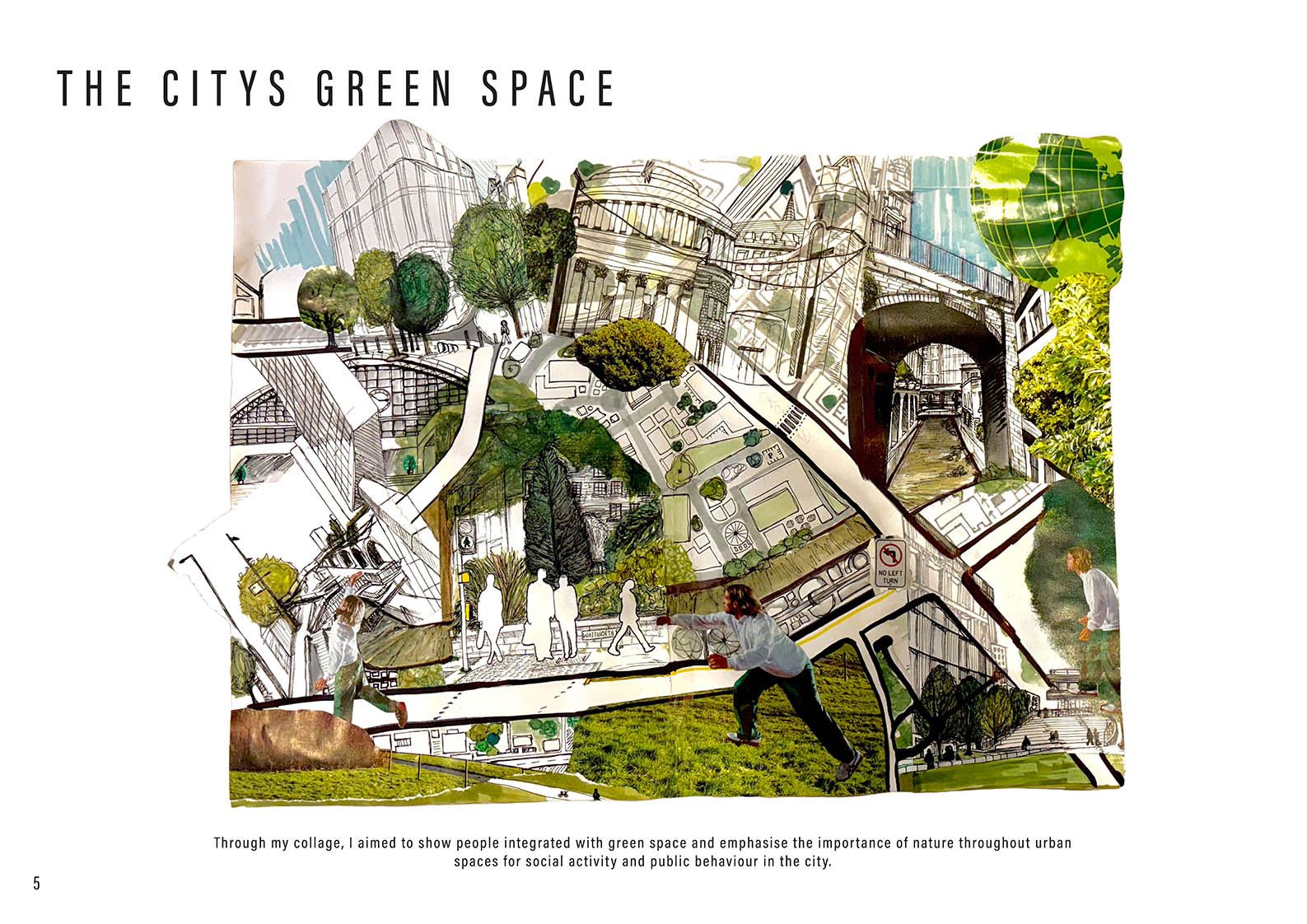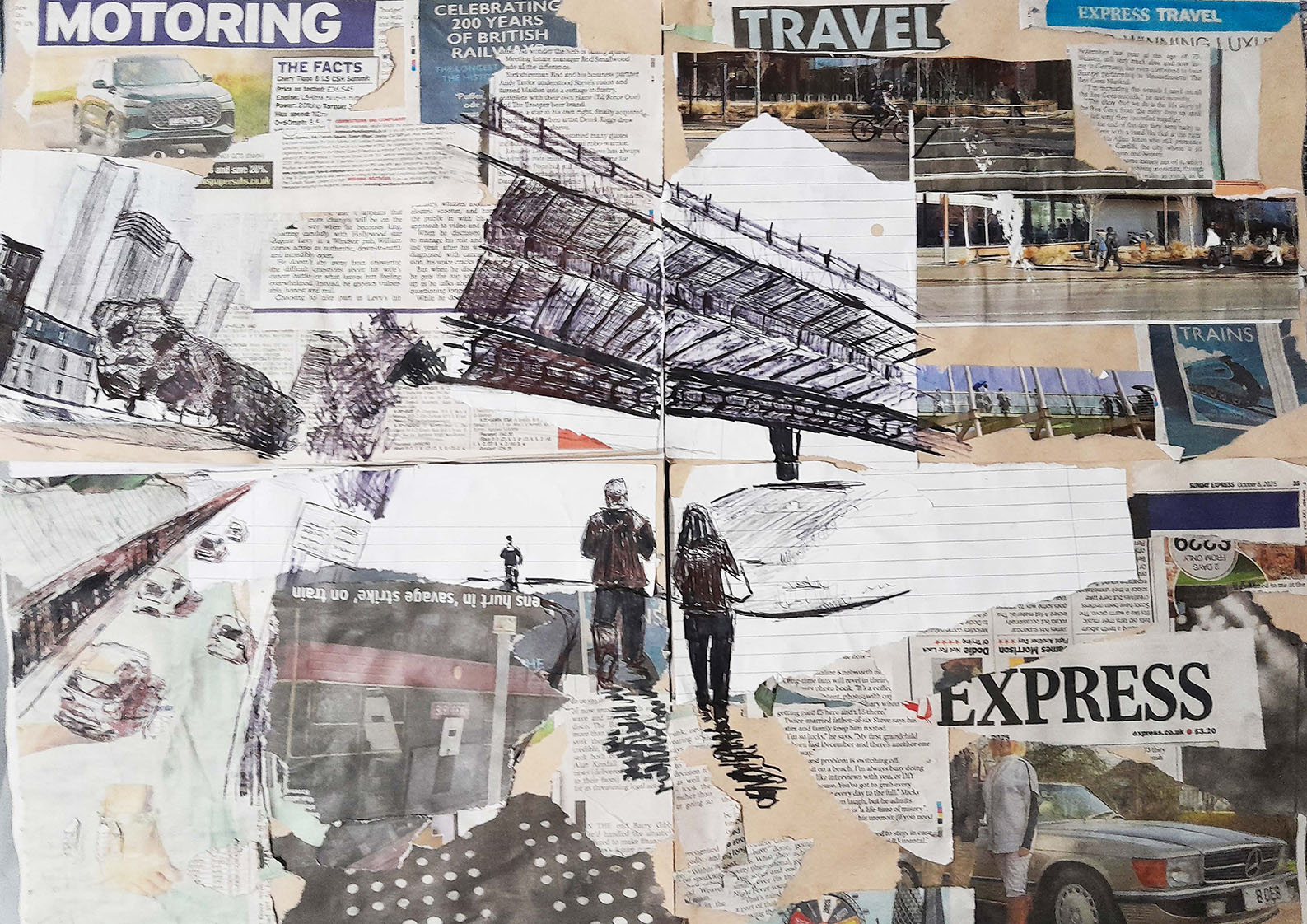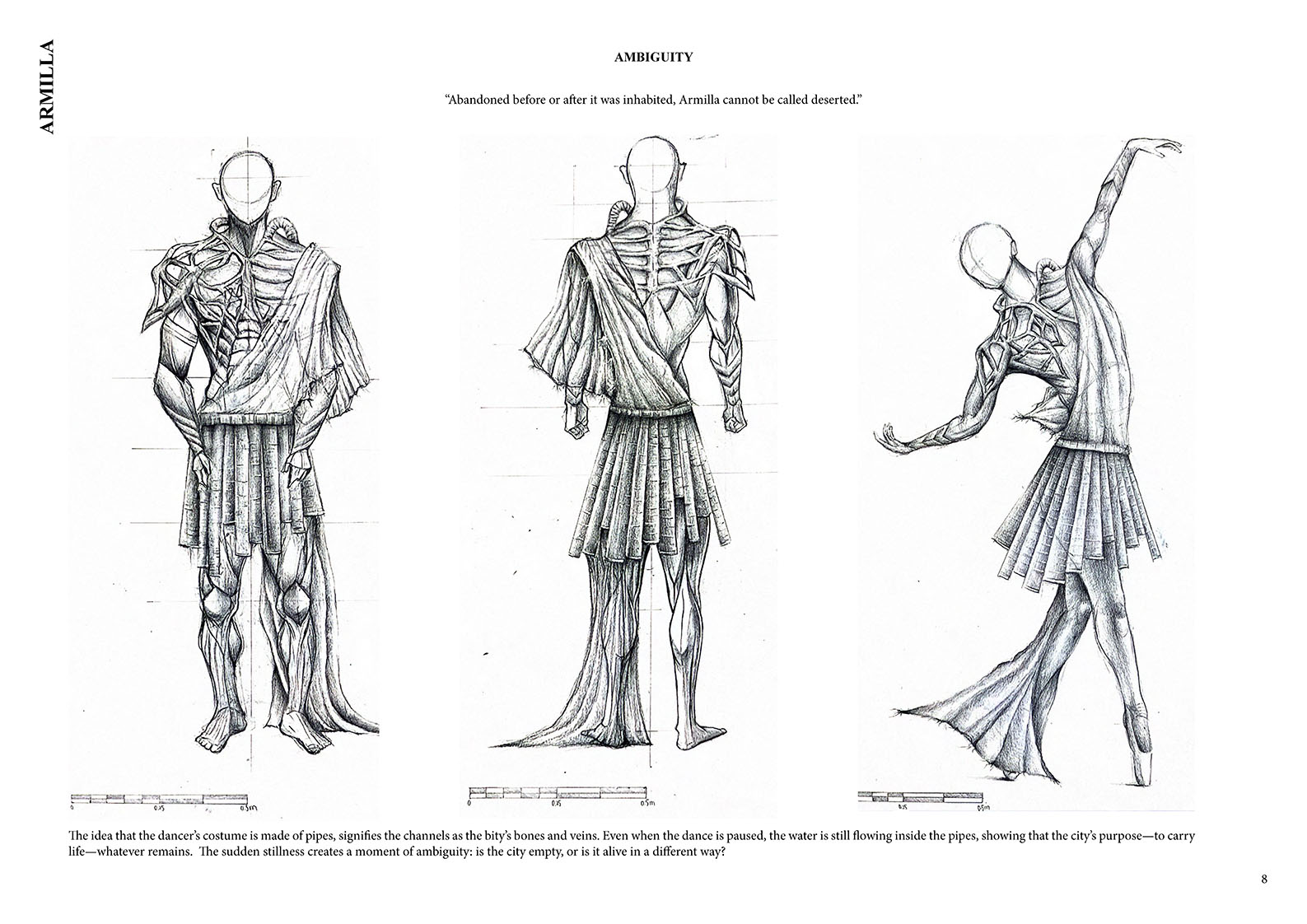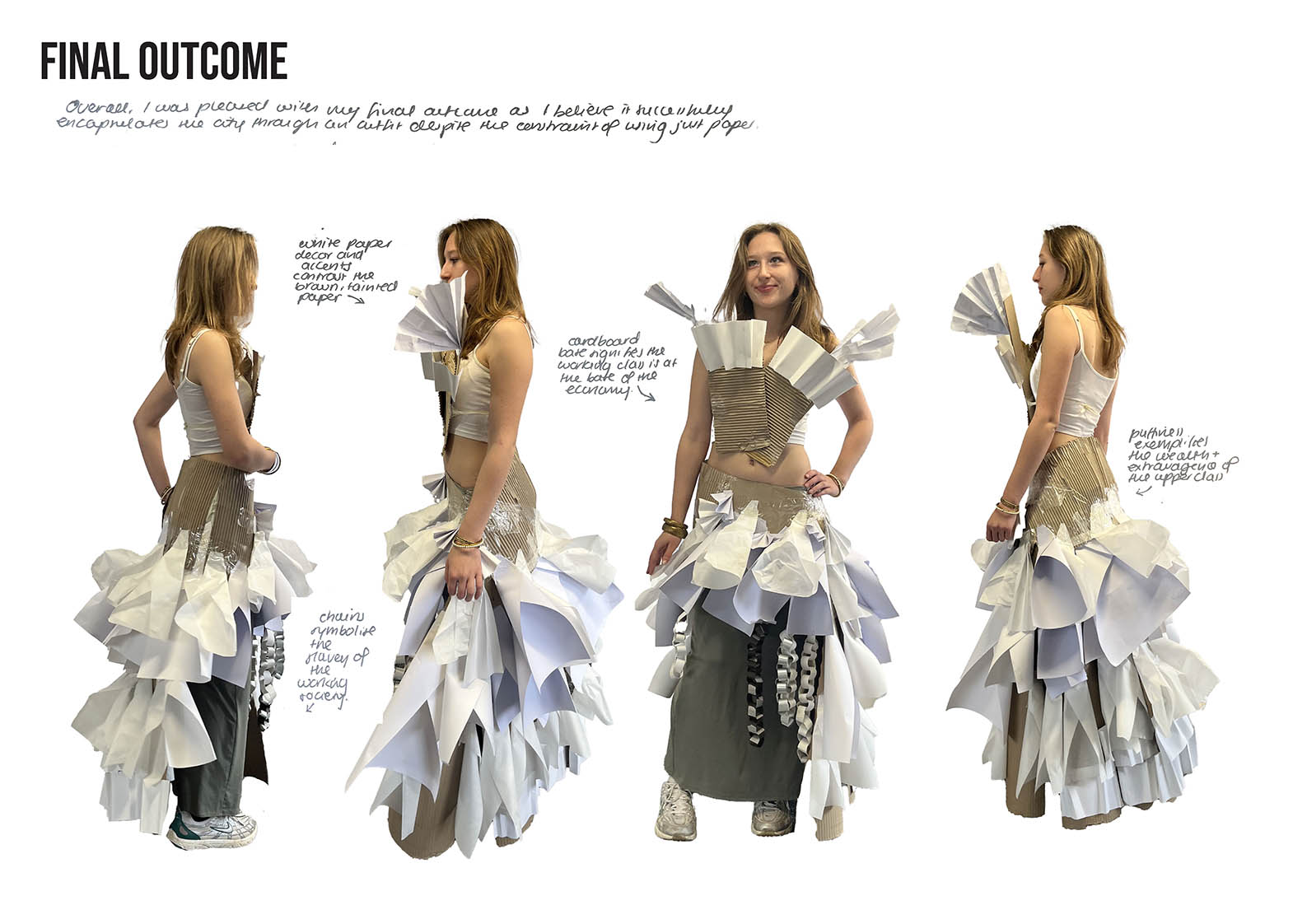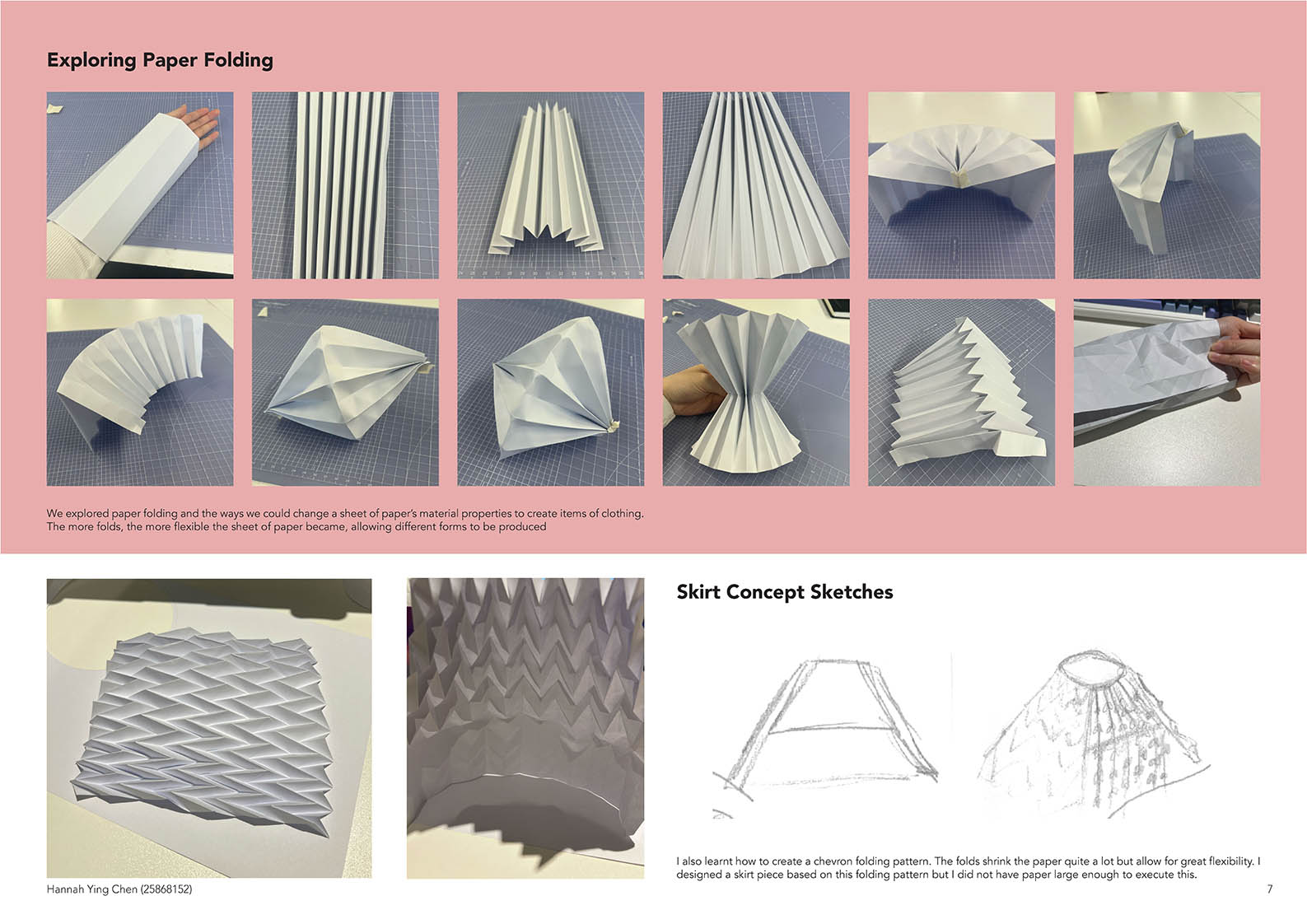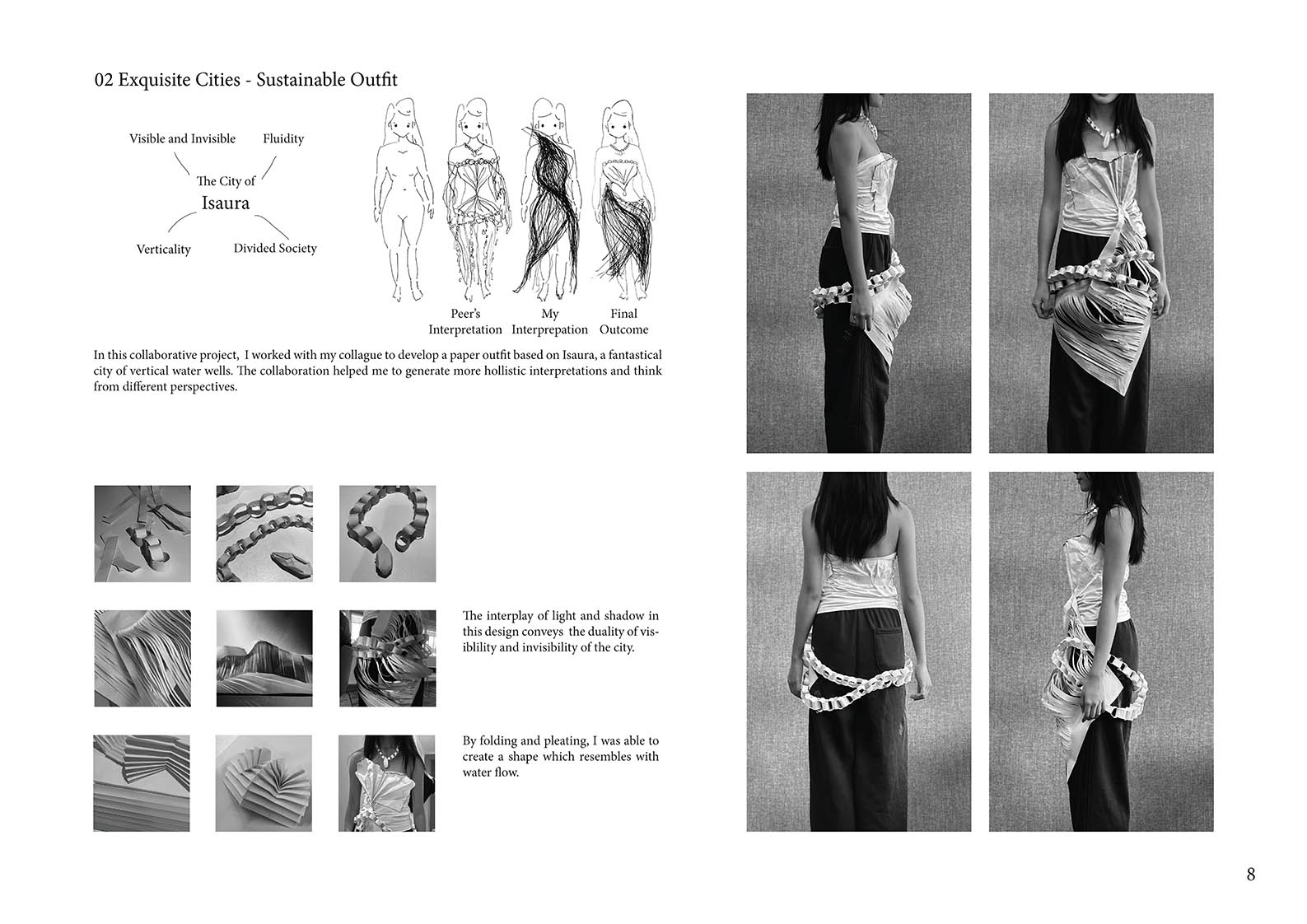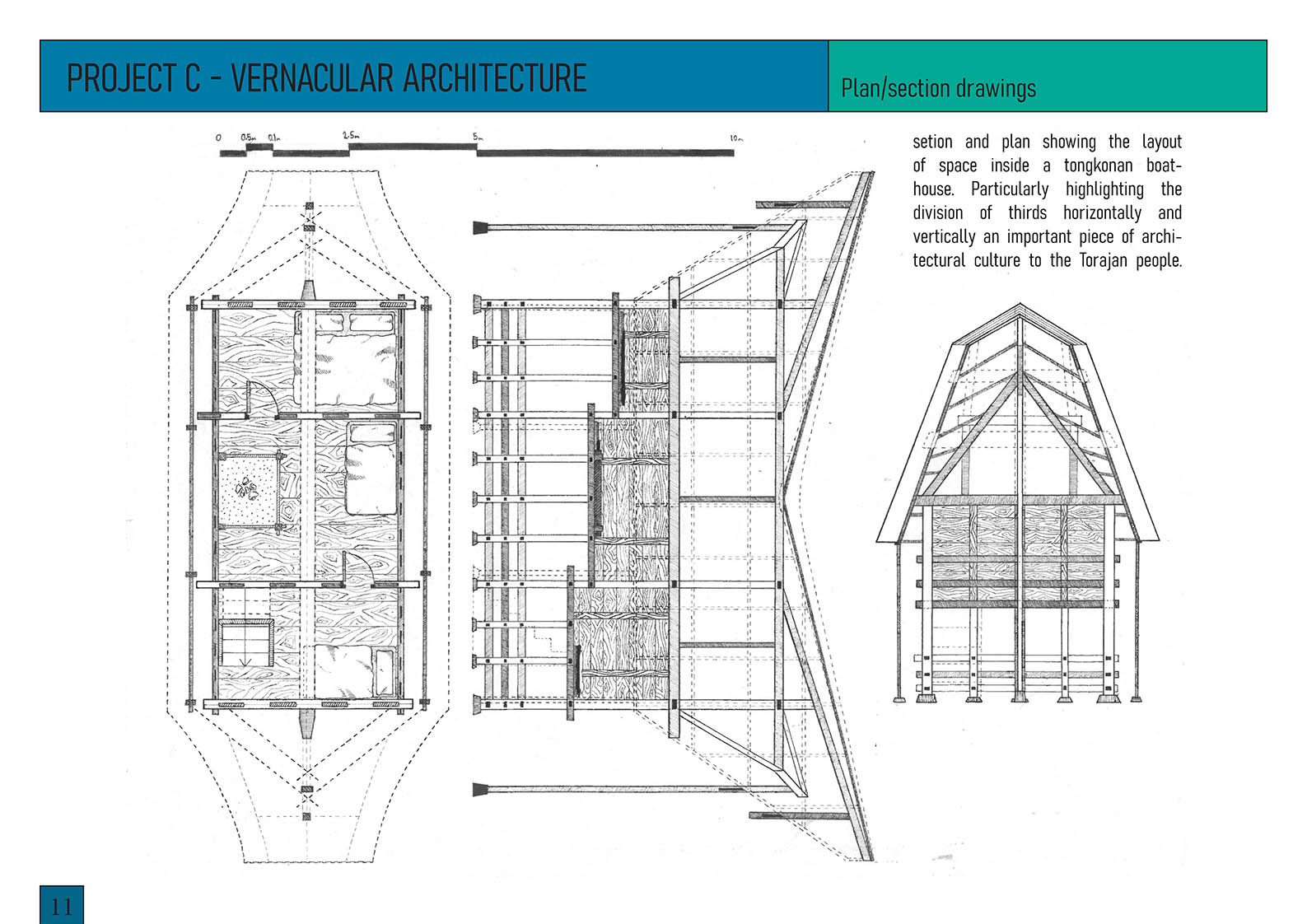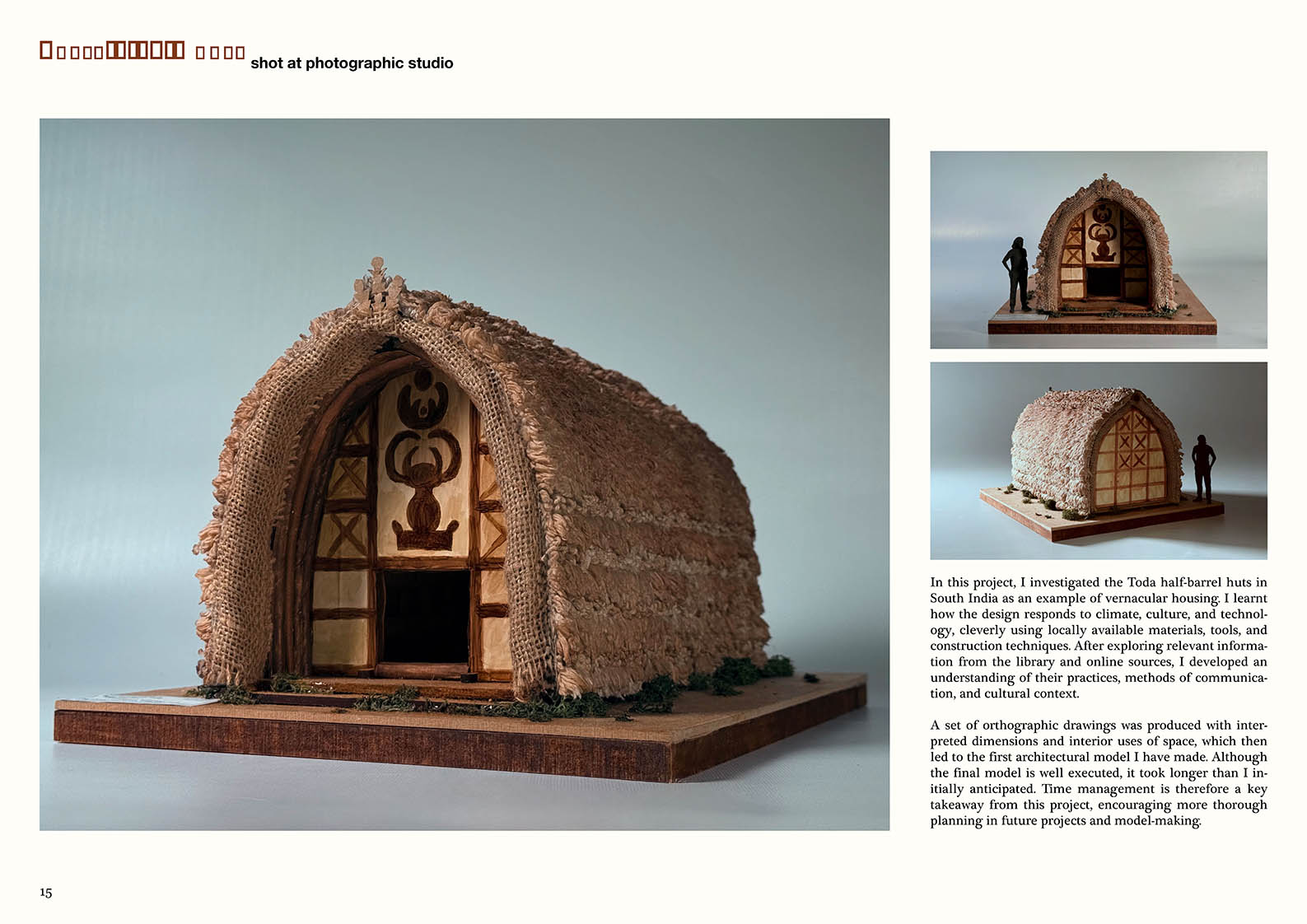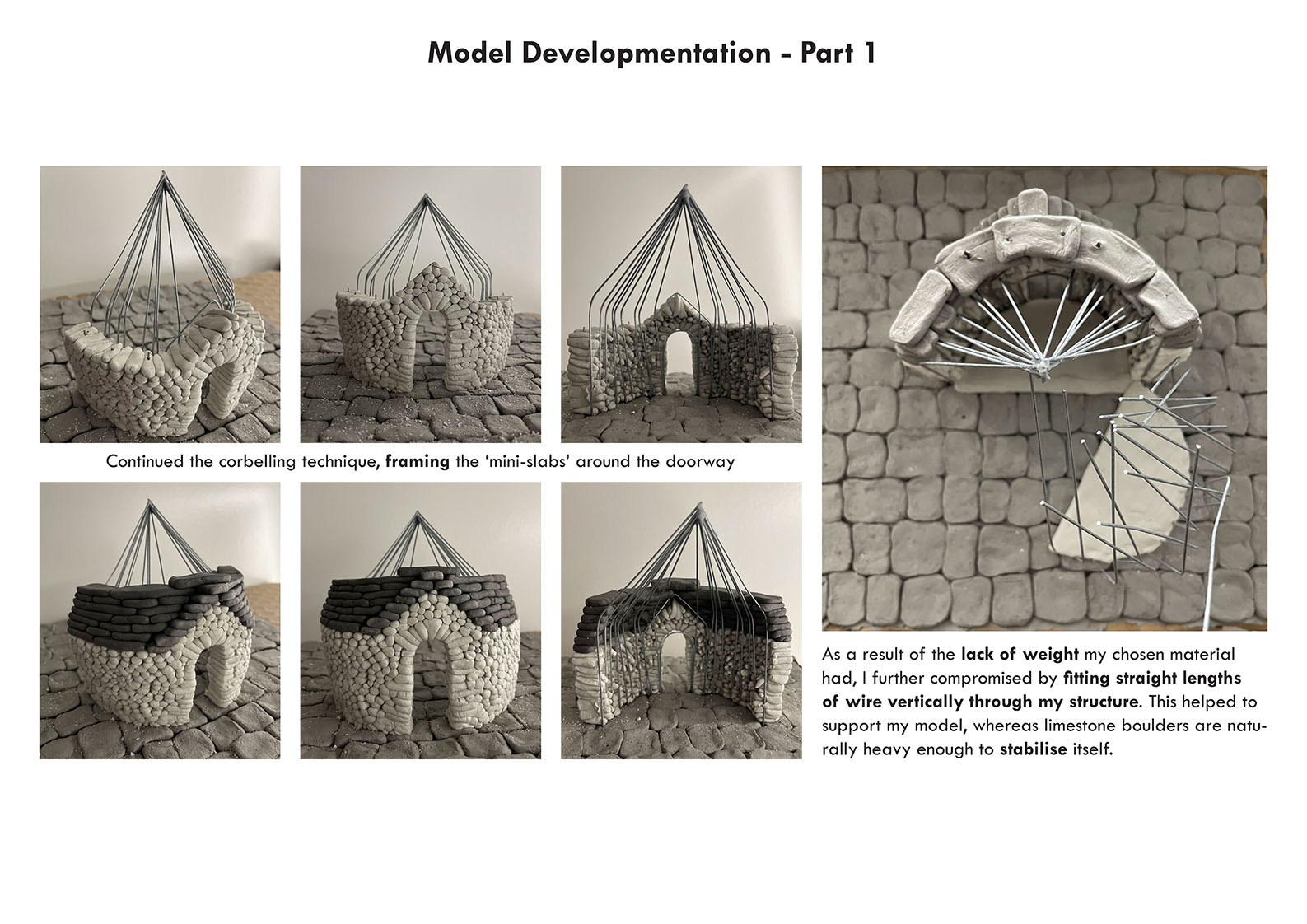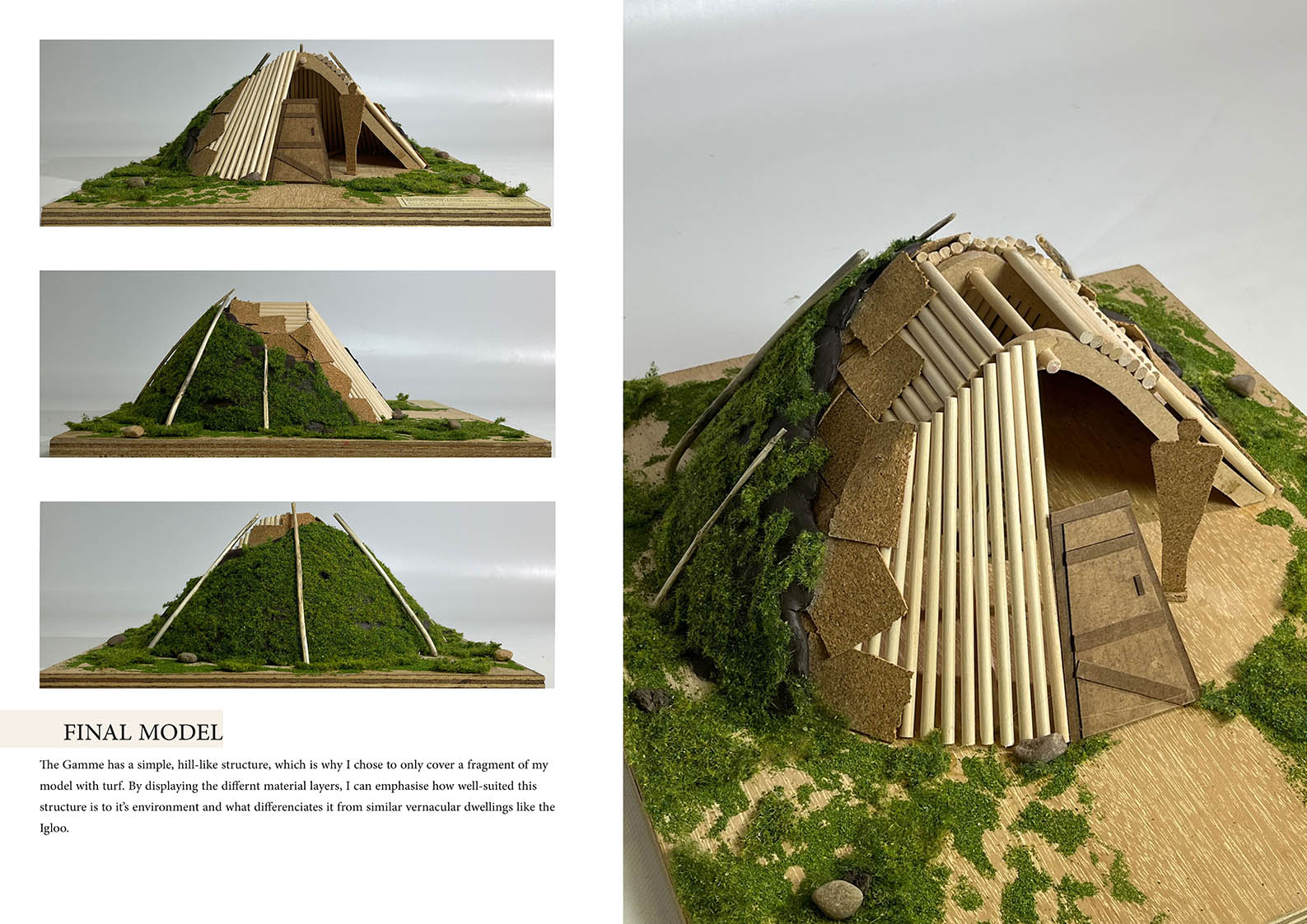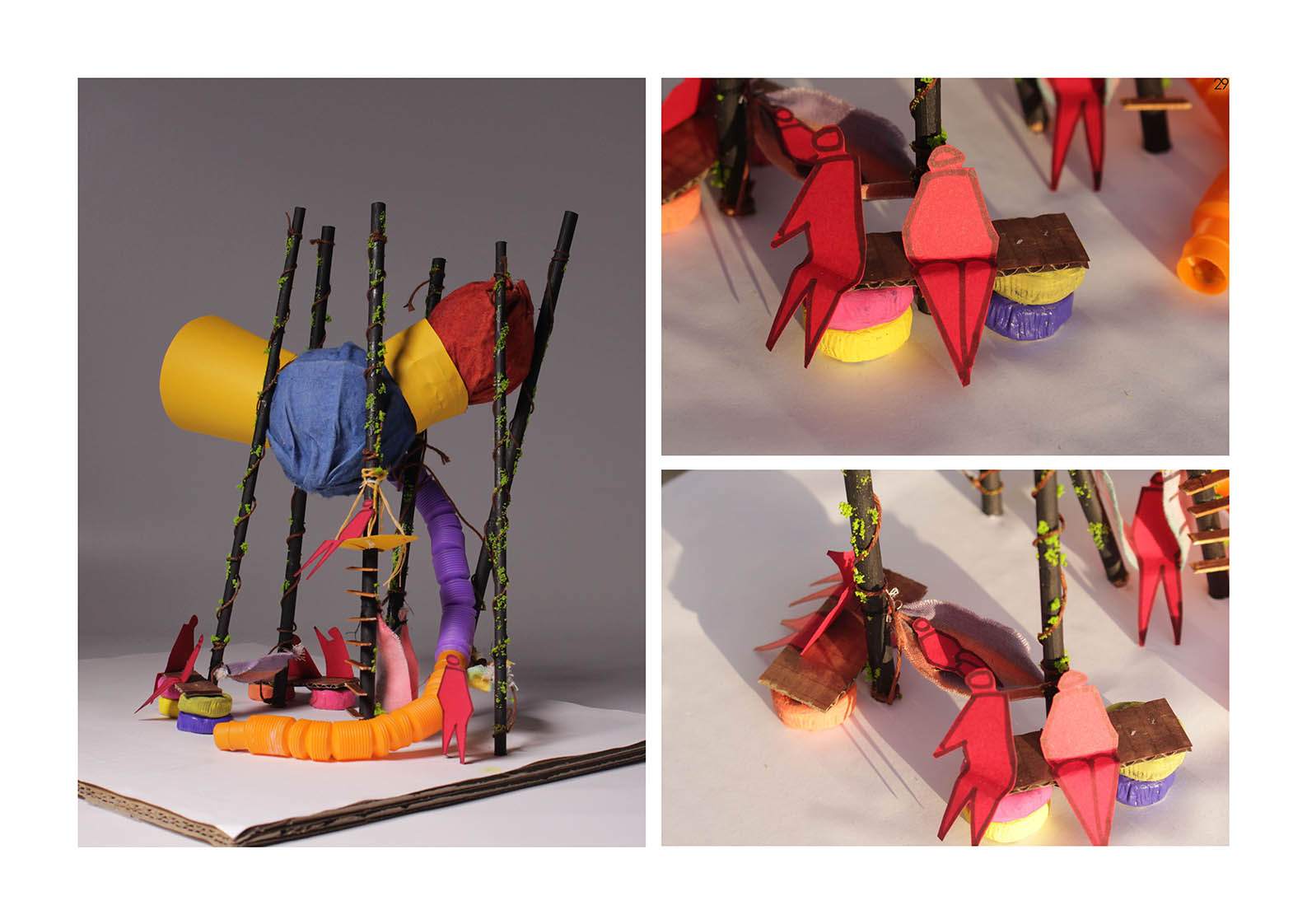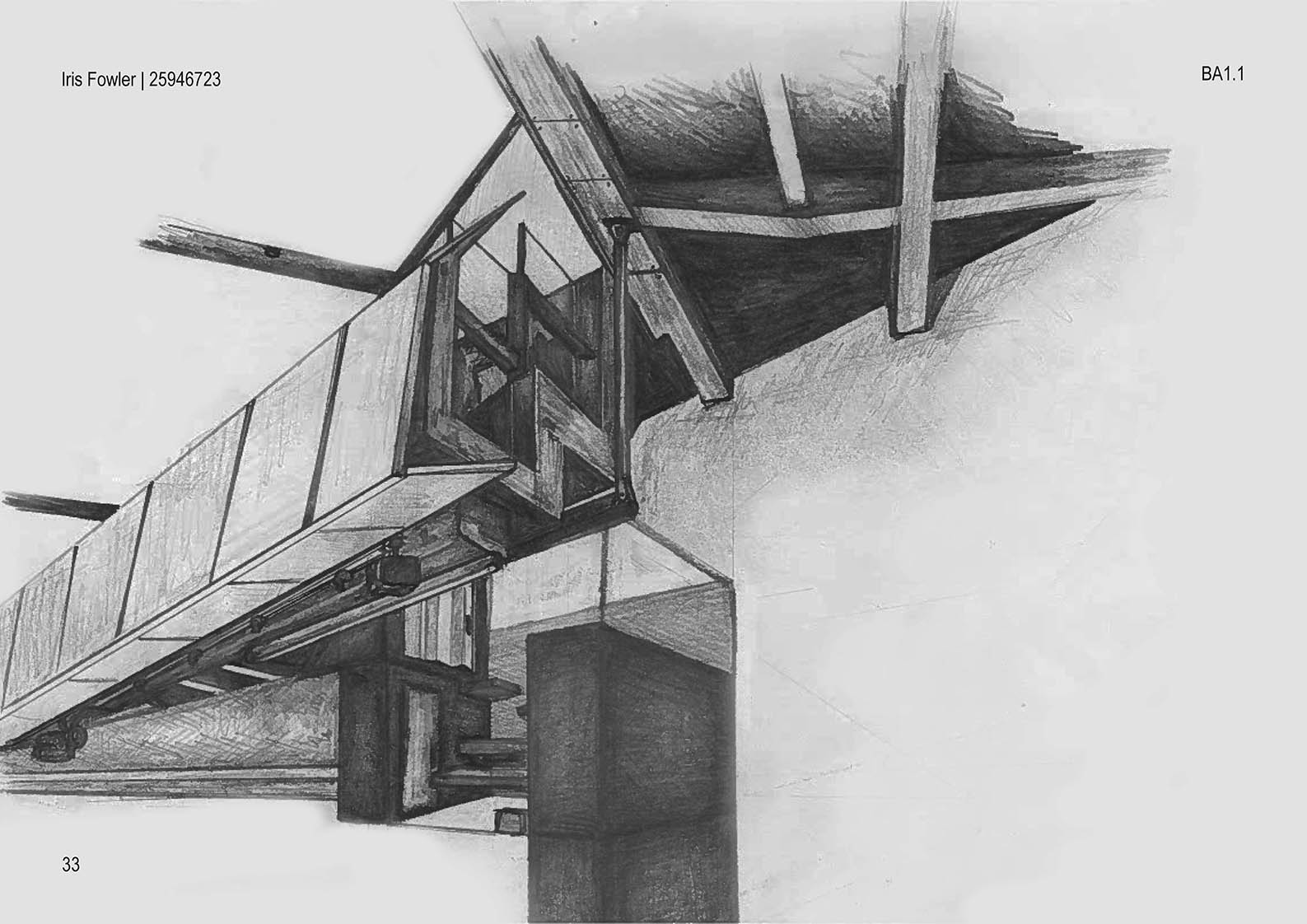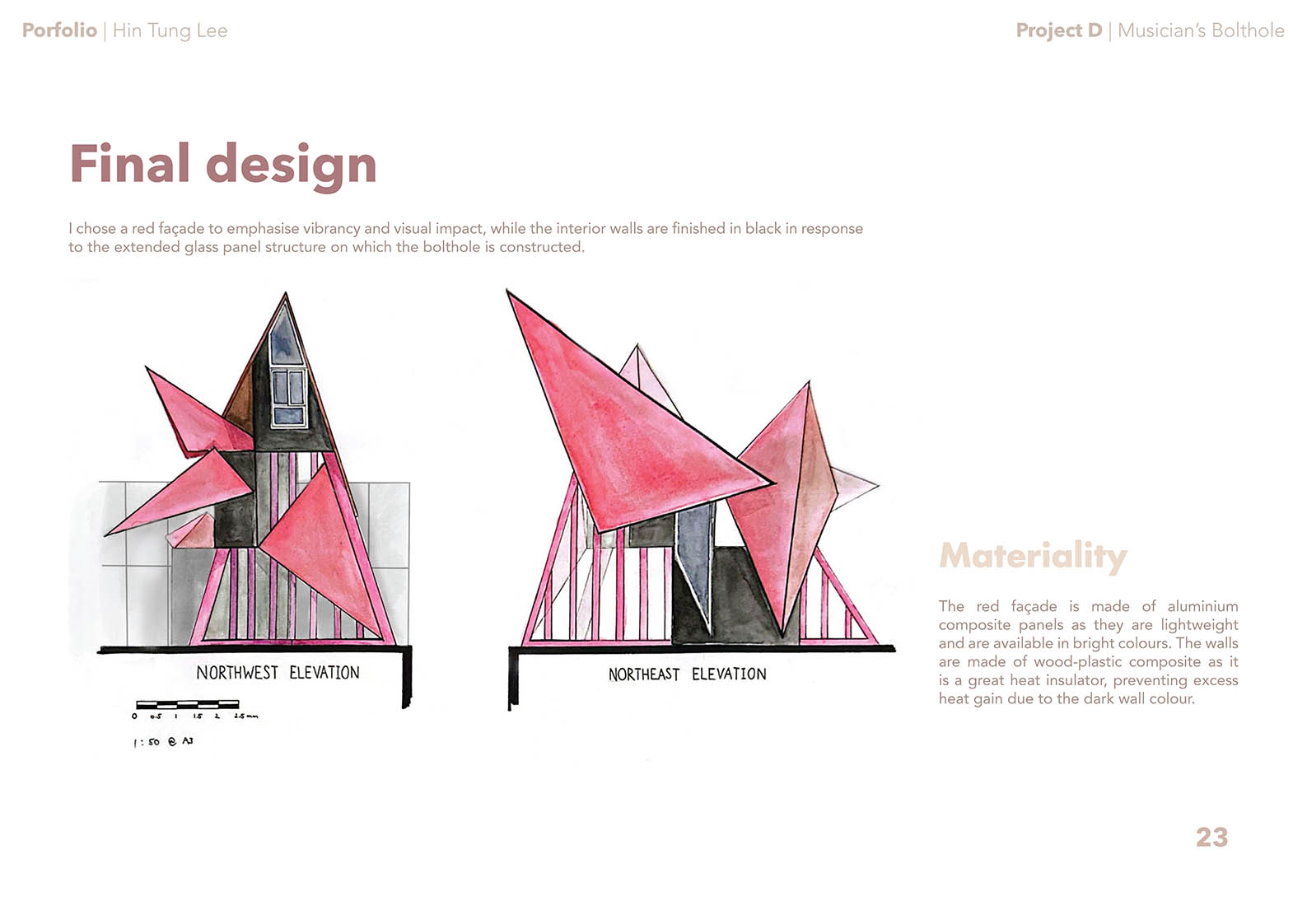

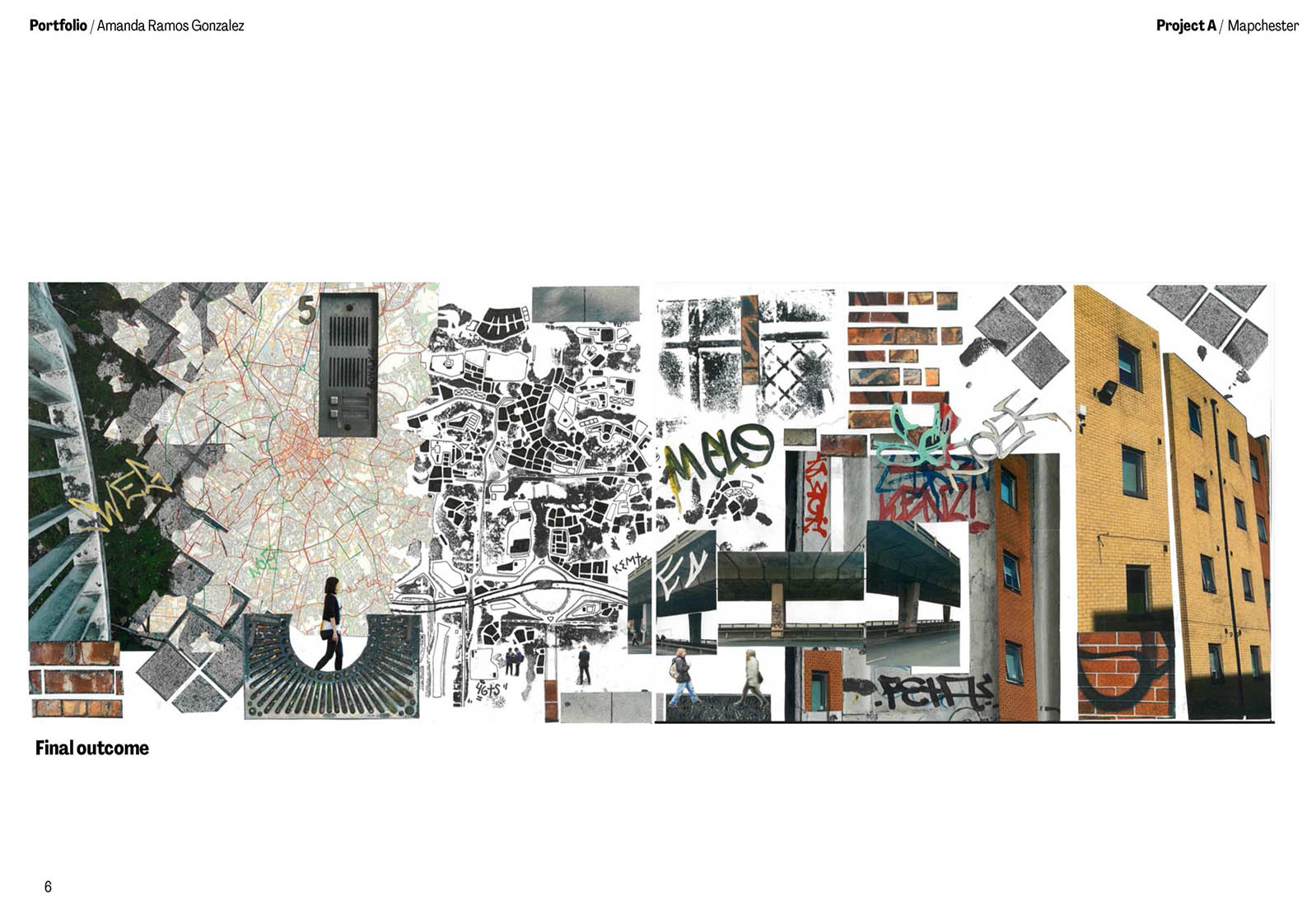
Design 1: Thinking by Making introduces architectural design through a series of projects that increase incrementally in scale, complexity and duration, culminating in the design of a small inhabitable structure. The module develops skills in critical thinking and creative problem-solving, and representation skills such as drawing and model-making. The iterative design process builds confidence, spatial literacy and architectural aptitude. In Project A, students explored the city by walking, talking and sketching, and presented their findings in collage. Project B saw Calvino’s Invisible Cities personified as characters for whom paper outfits were designed, made, modelled, and finally captured in scale fashion drawings. In Project C, each student was given a vernacular dwelling type to research and then document in orthographic drawings and a physical model. And in Project D, students chose a musician client for whom to design a parasitic overnight ‘bolthole’ attached to a local music venue – a space to shower, change, relax and sleep, offering a moment of pause and privacy in the city.

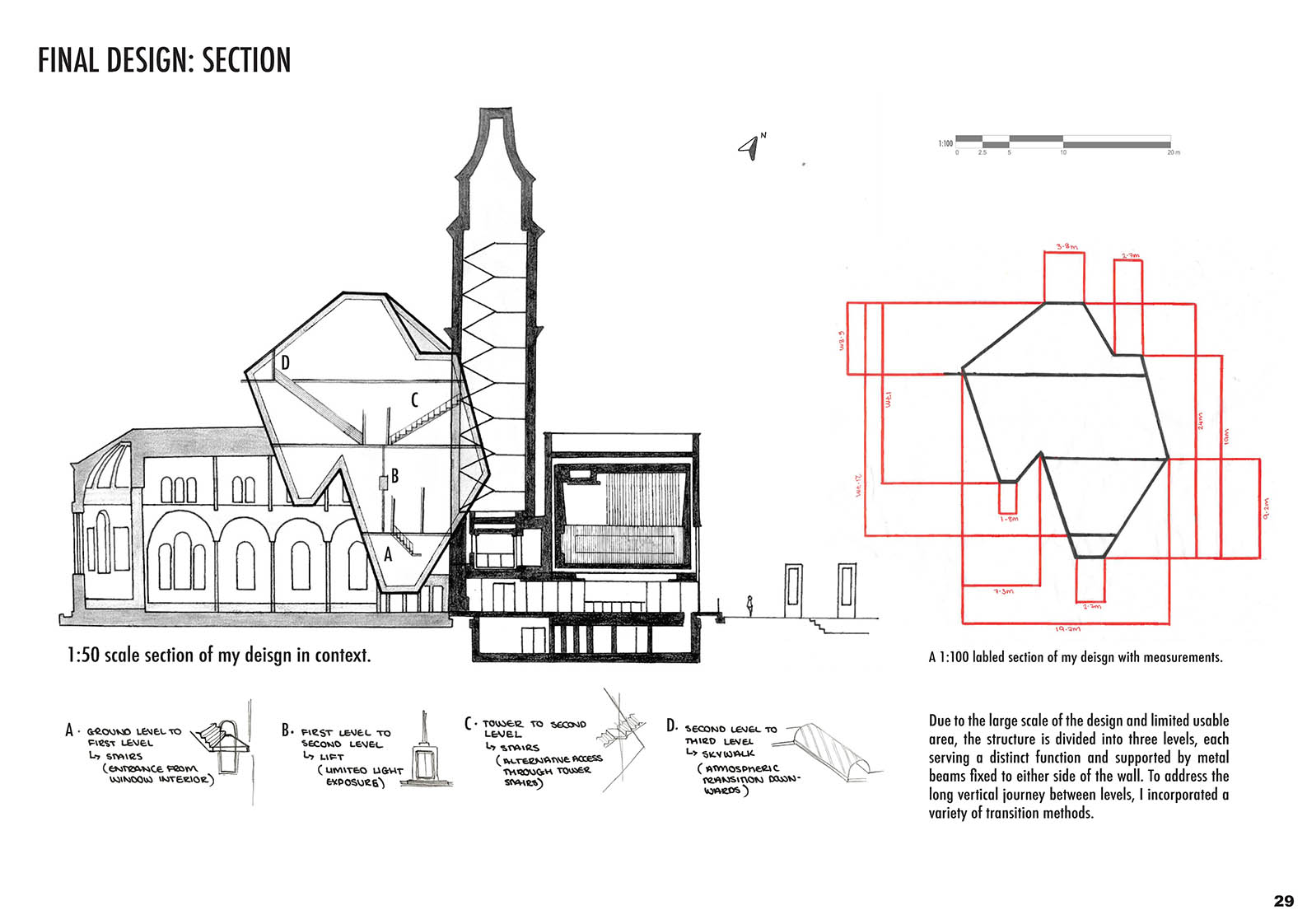
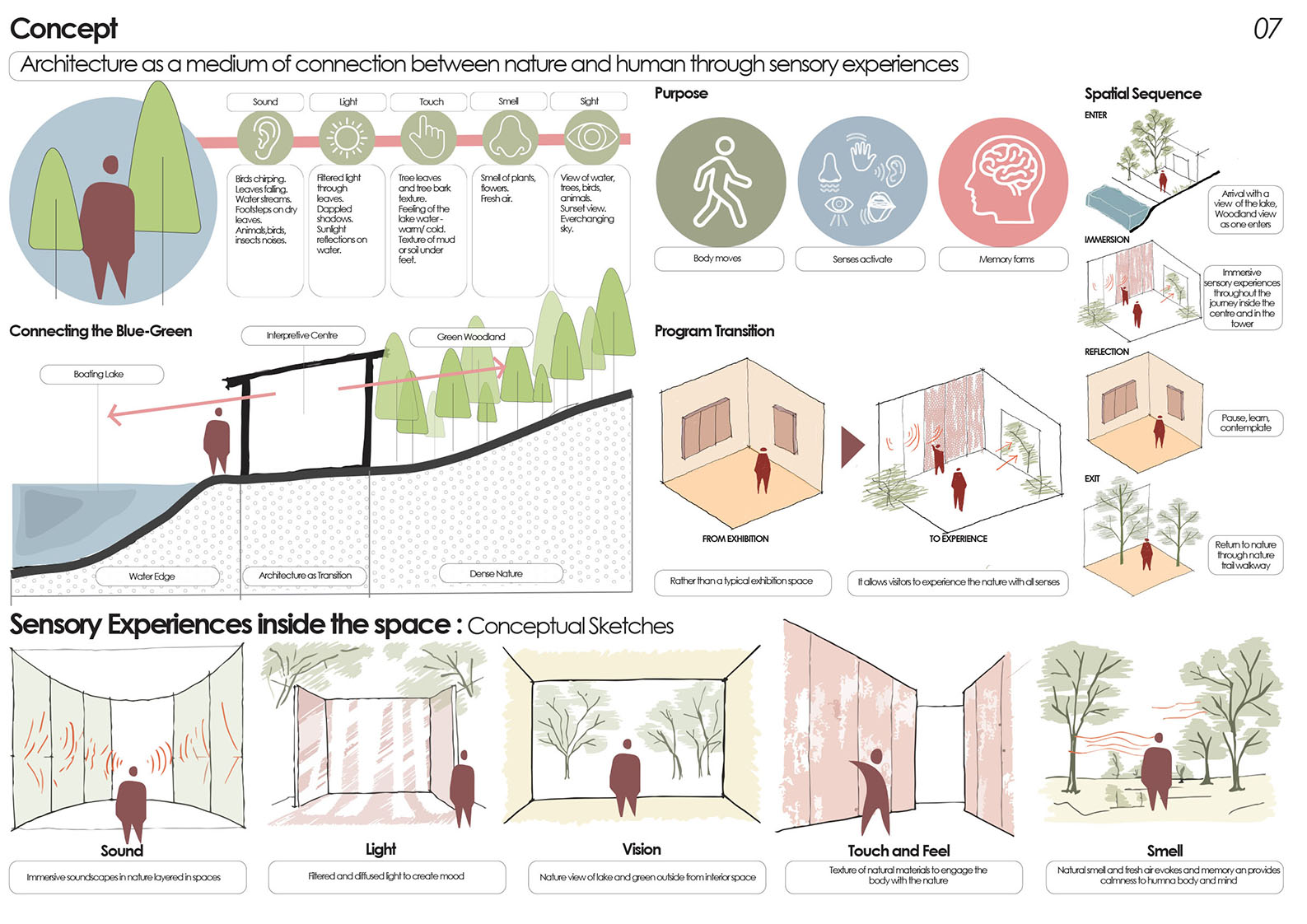
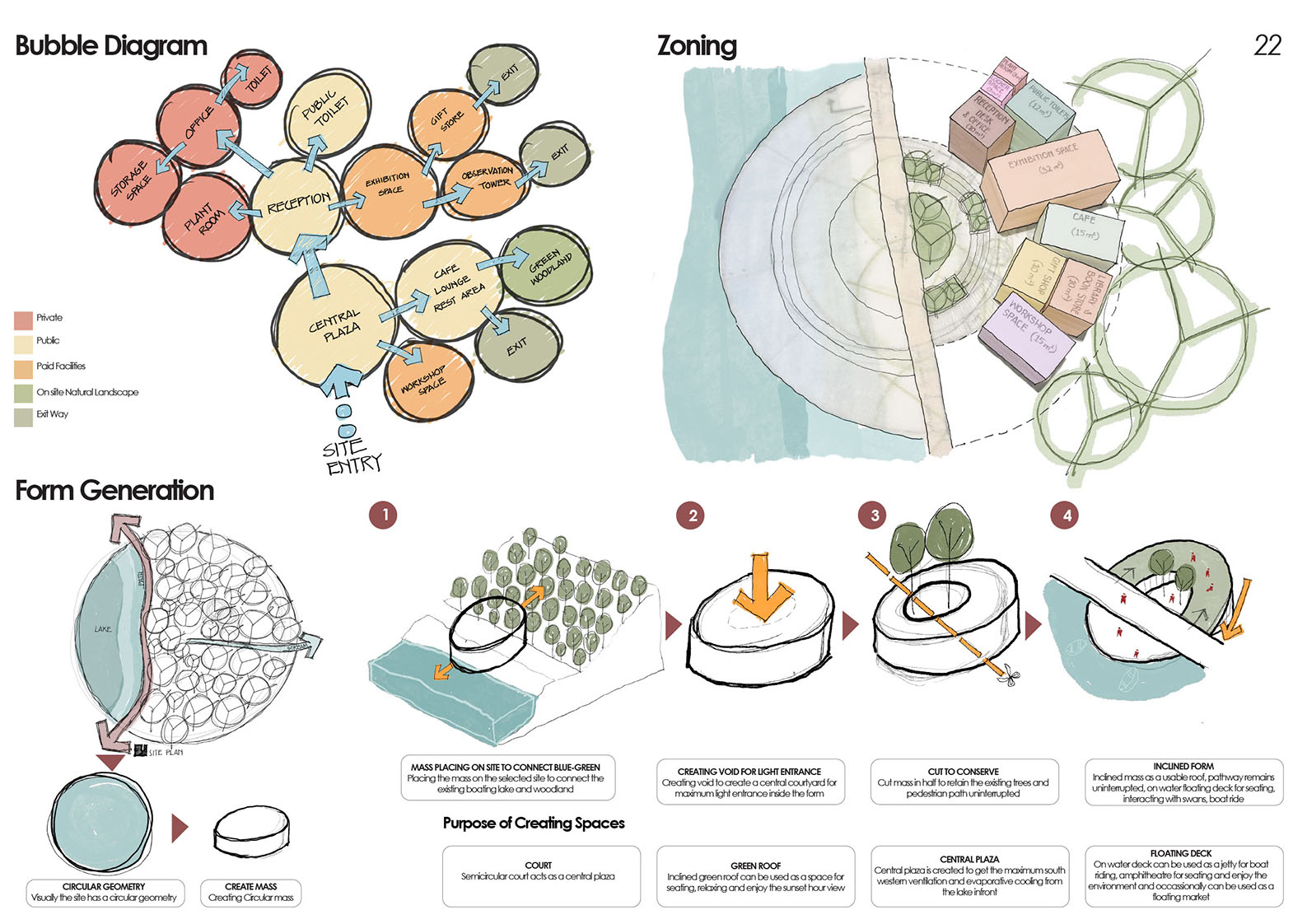
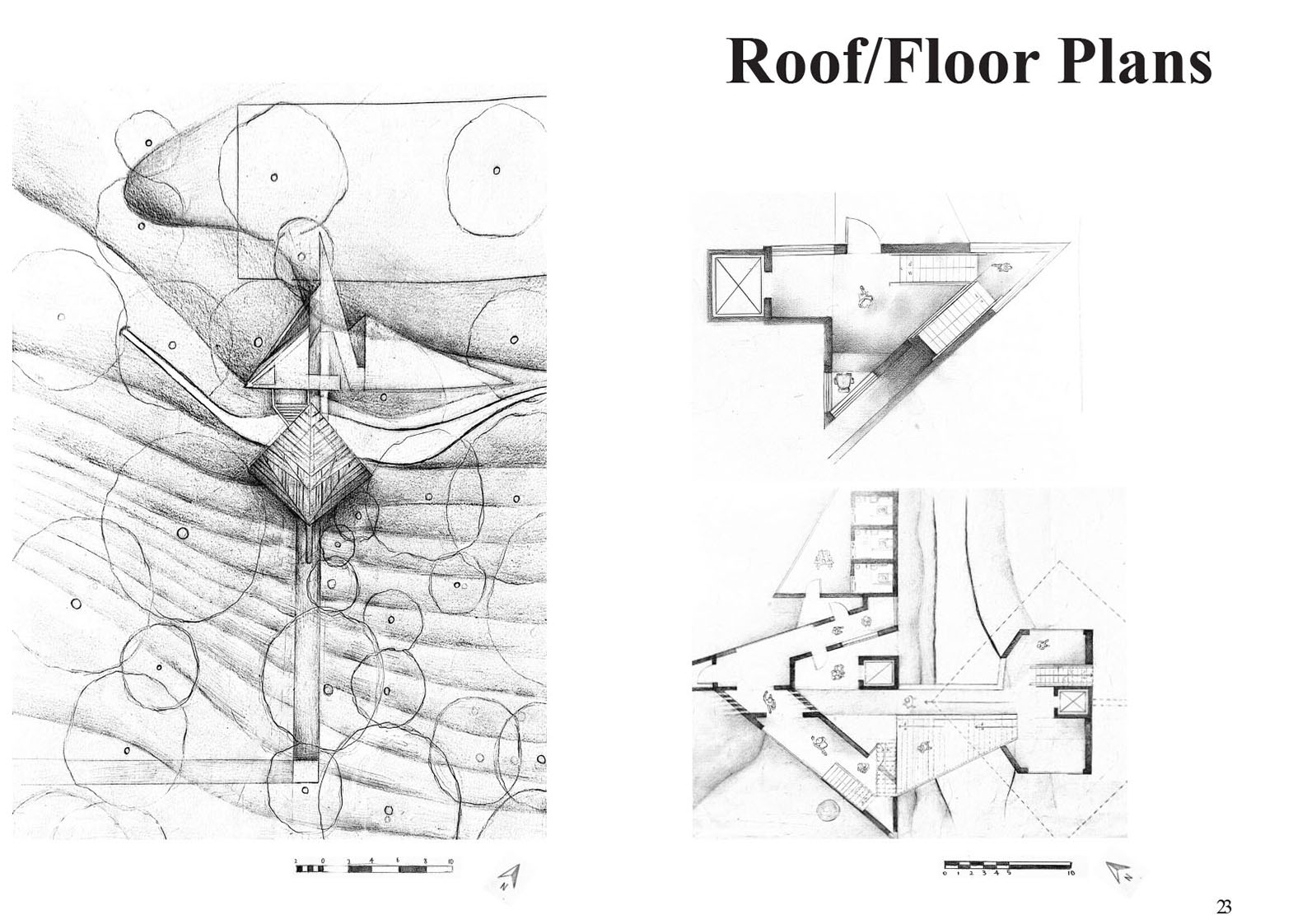
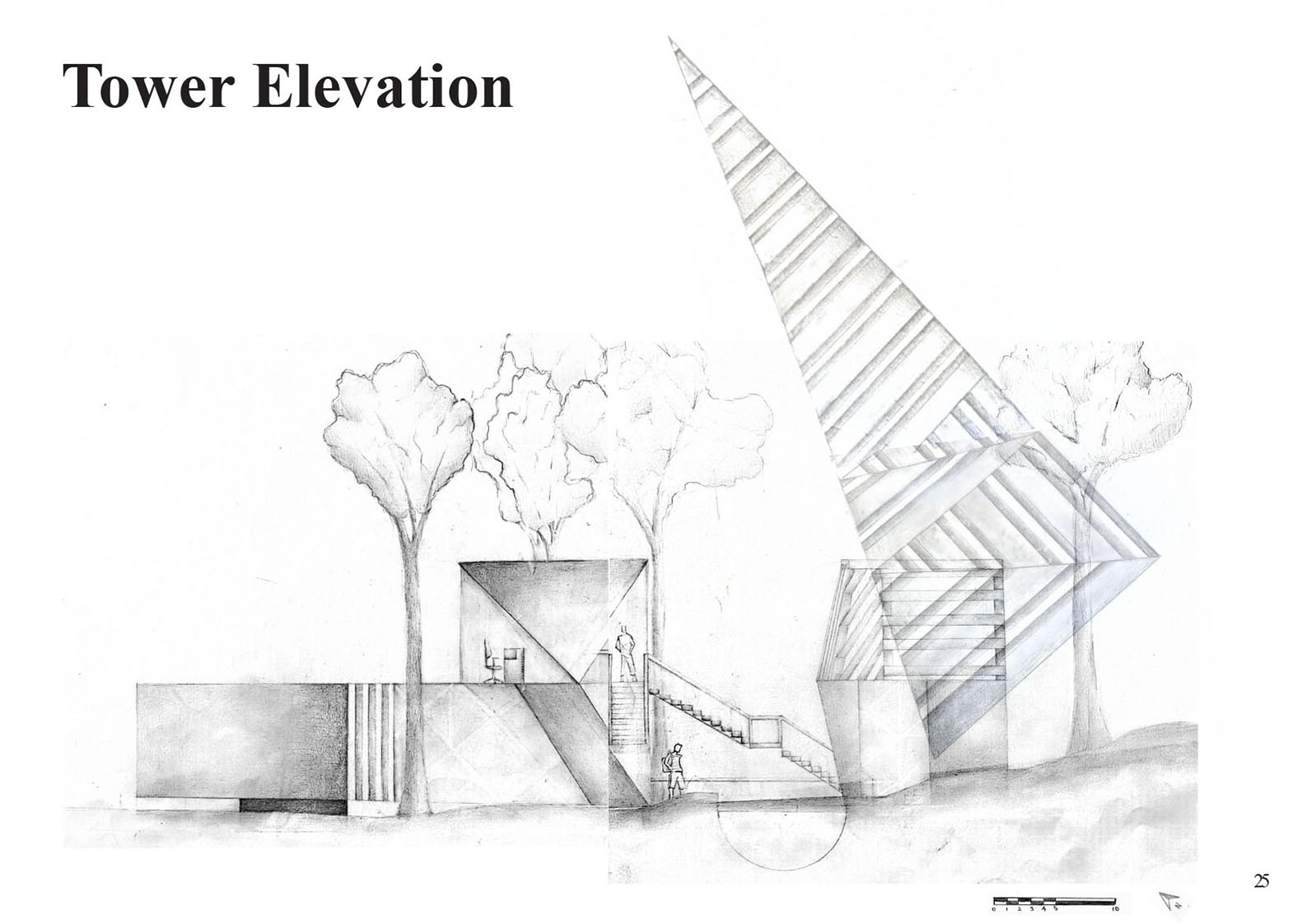
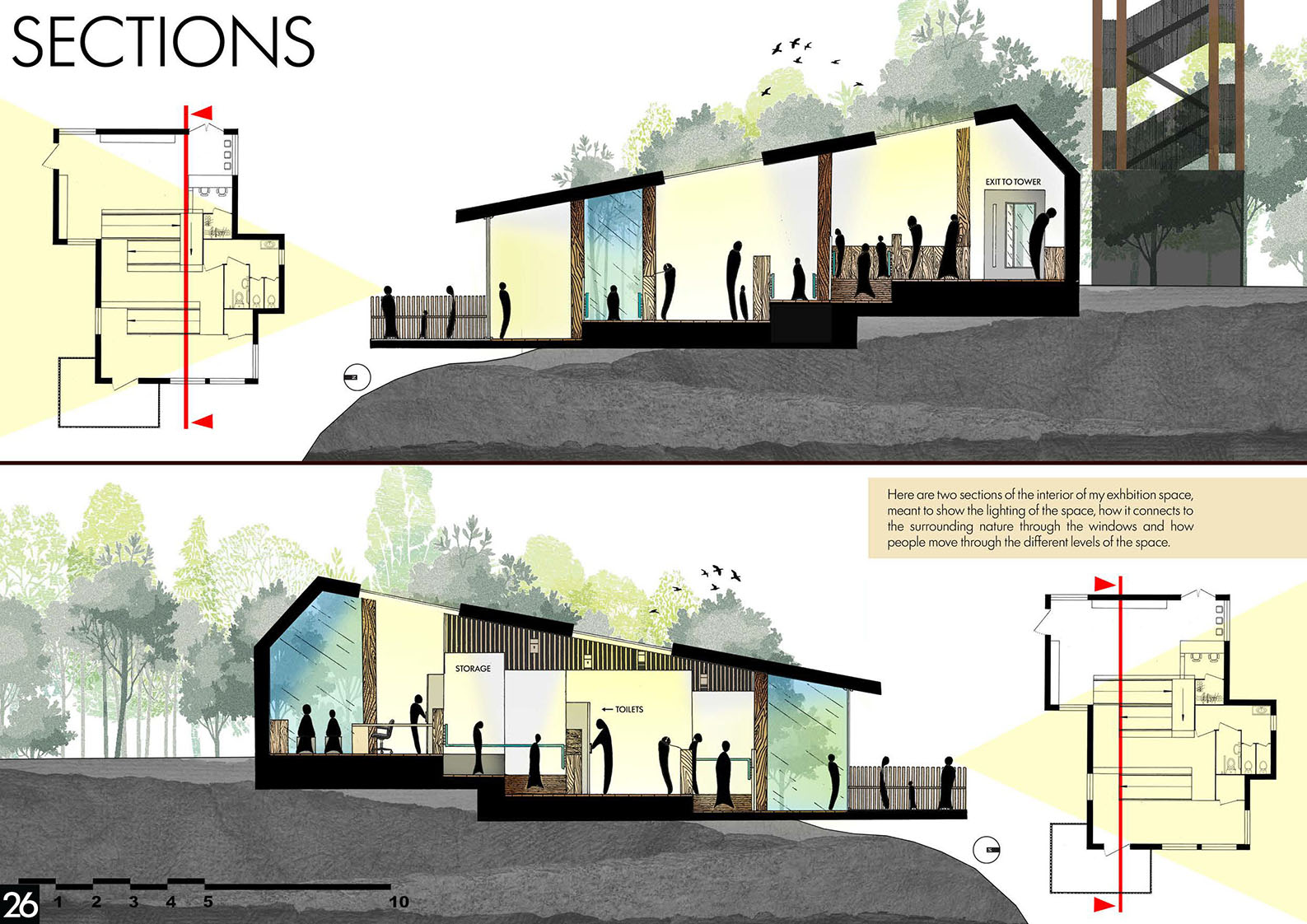
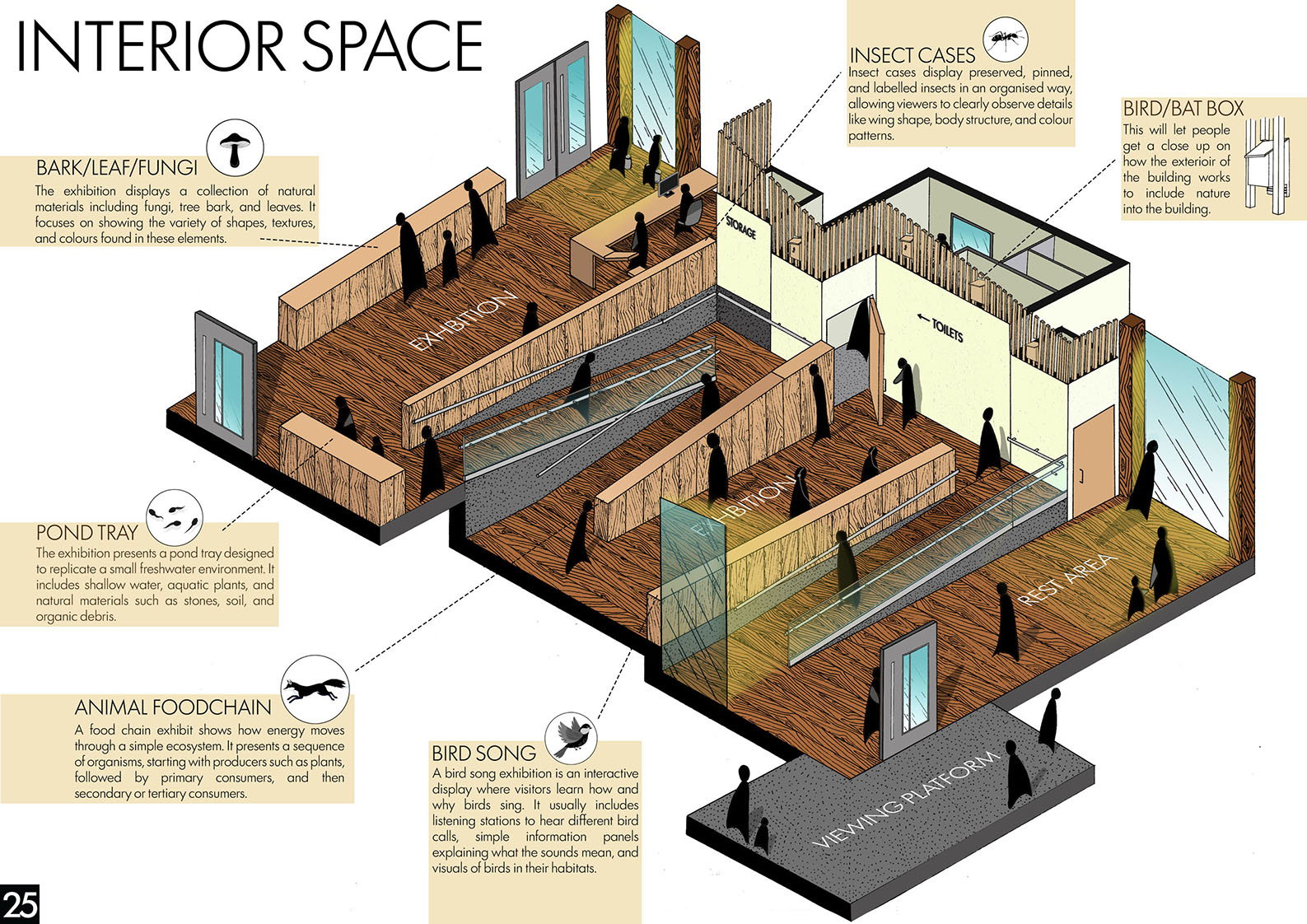
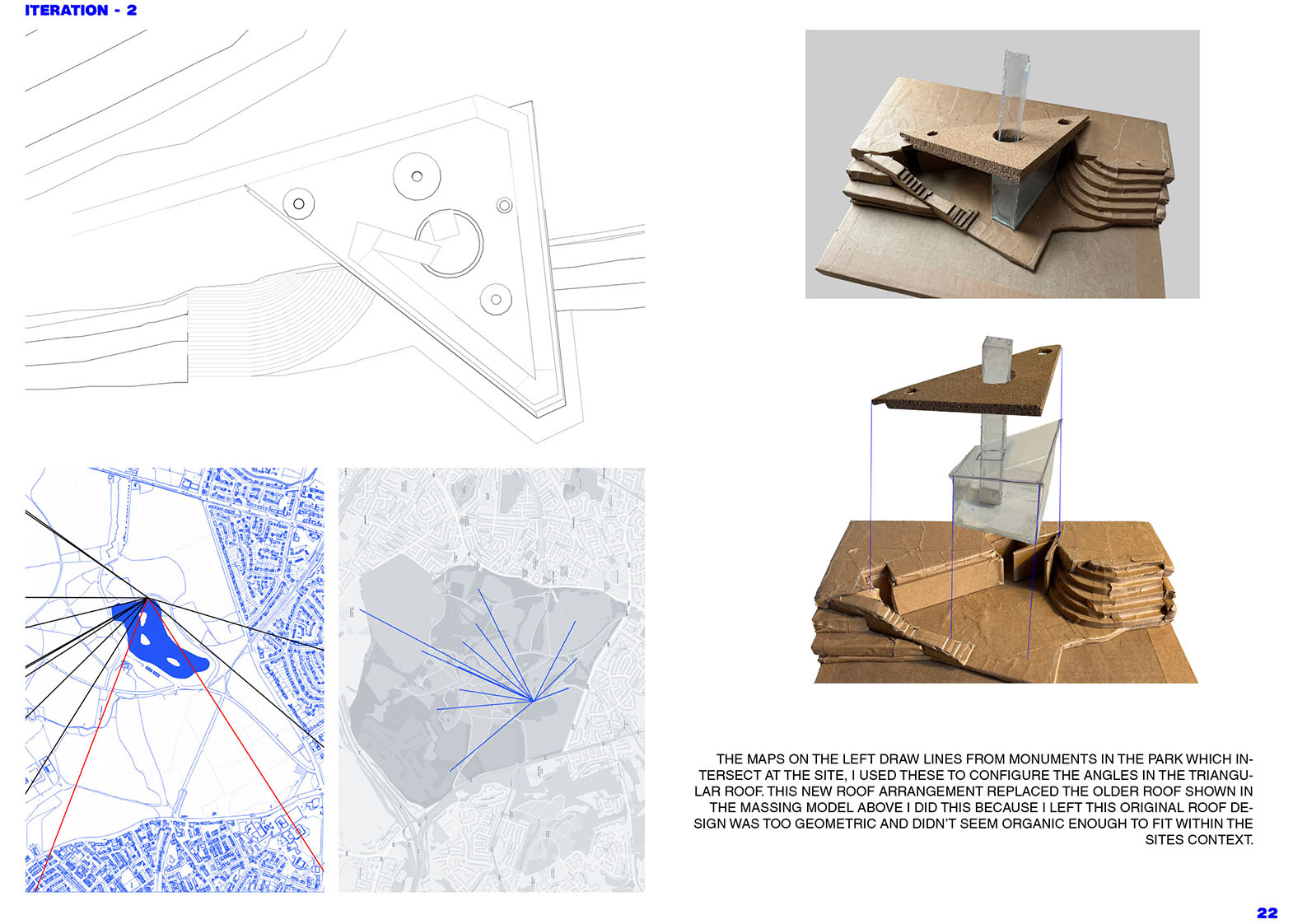
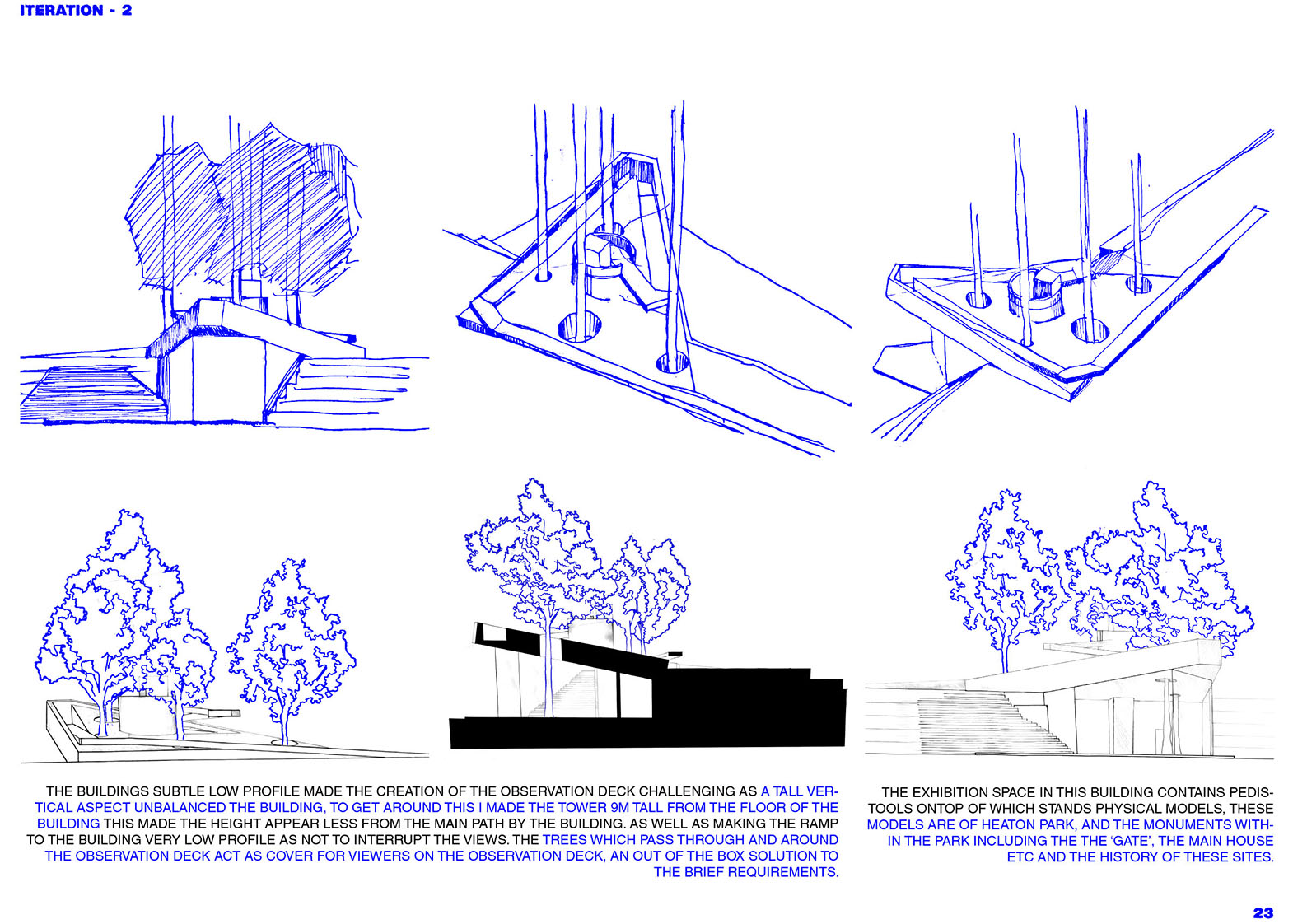
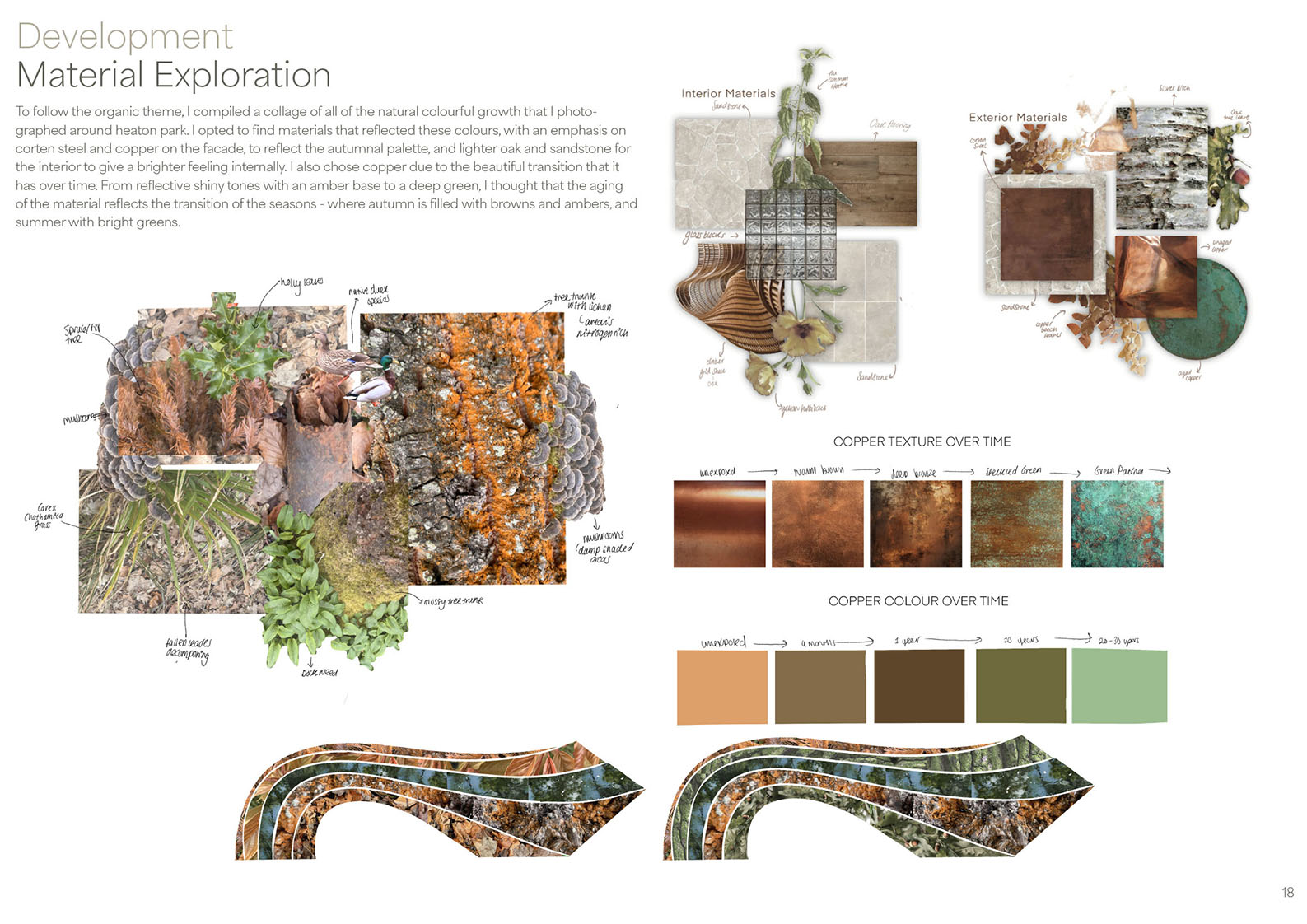
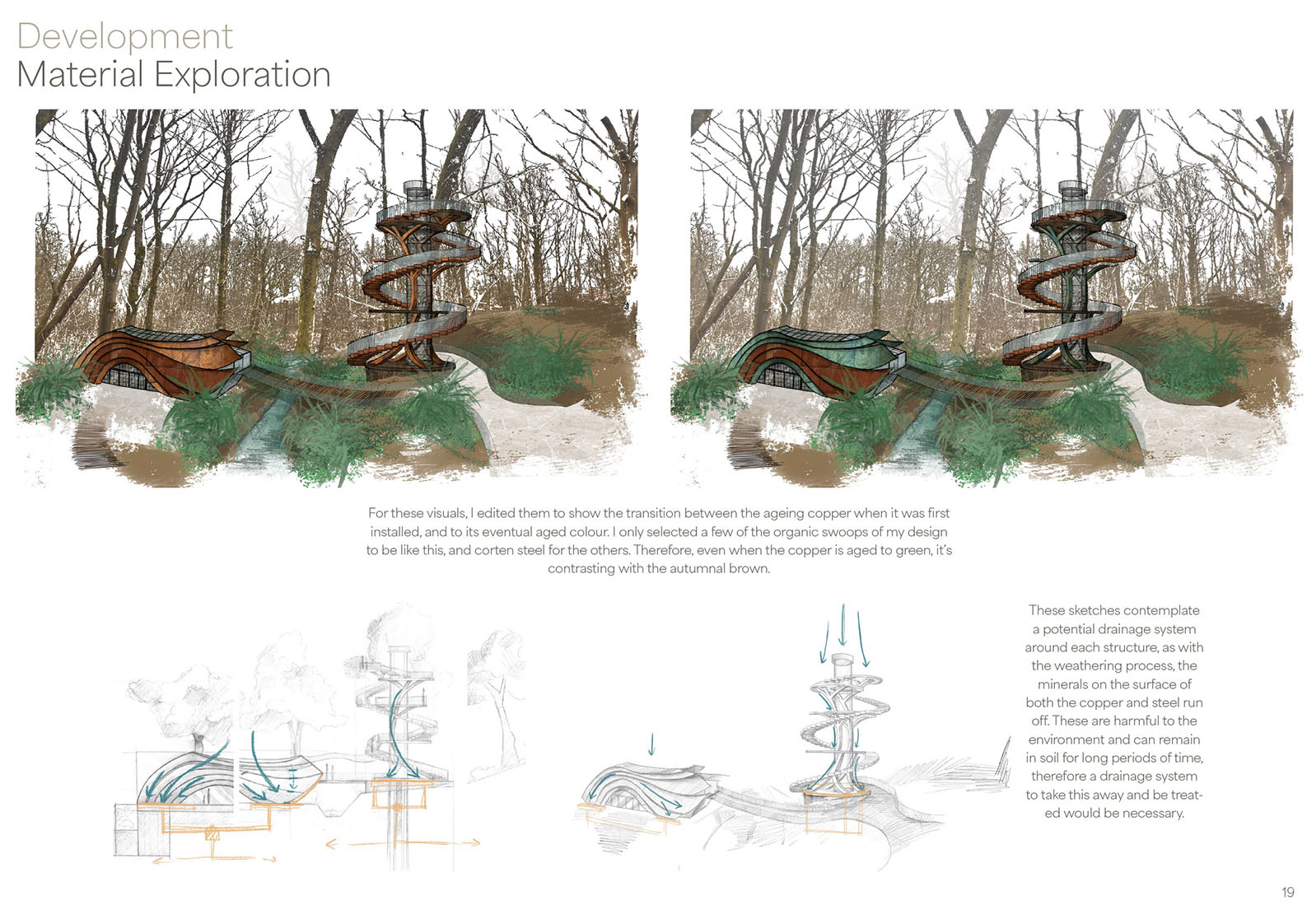
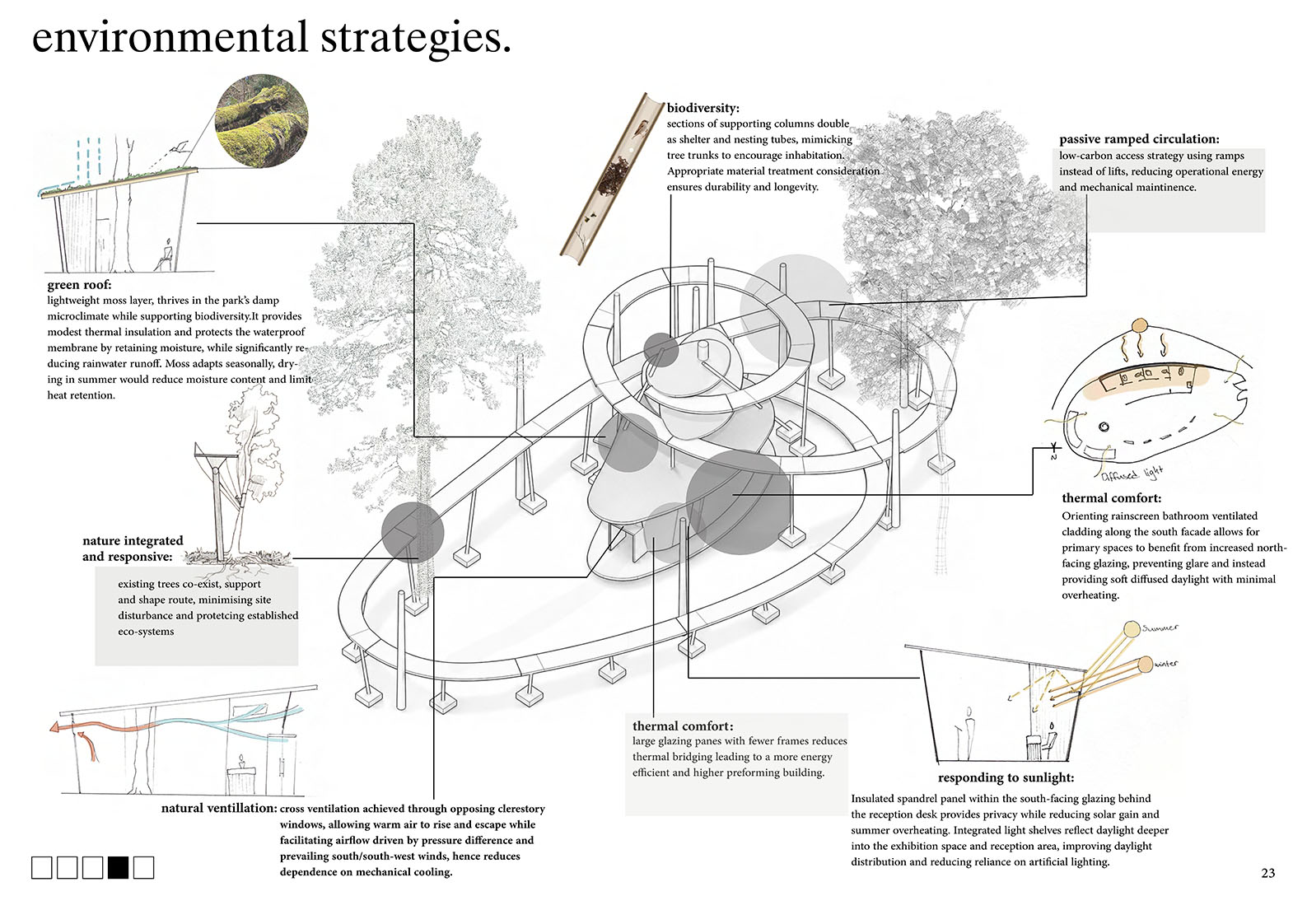
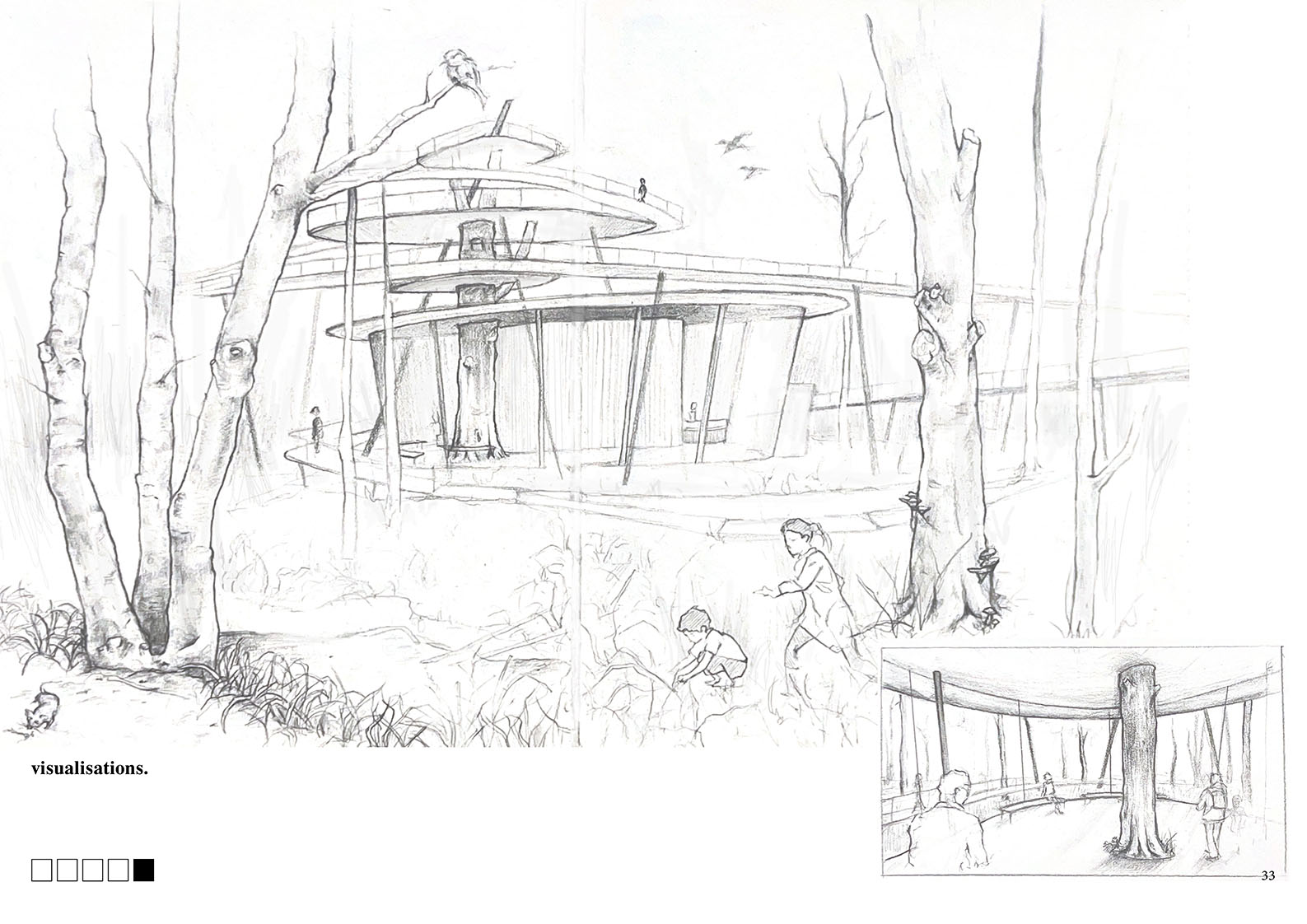
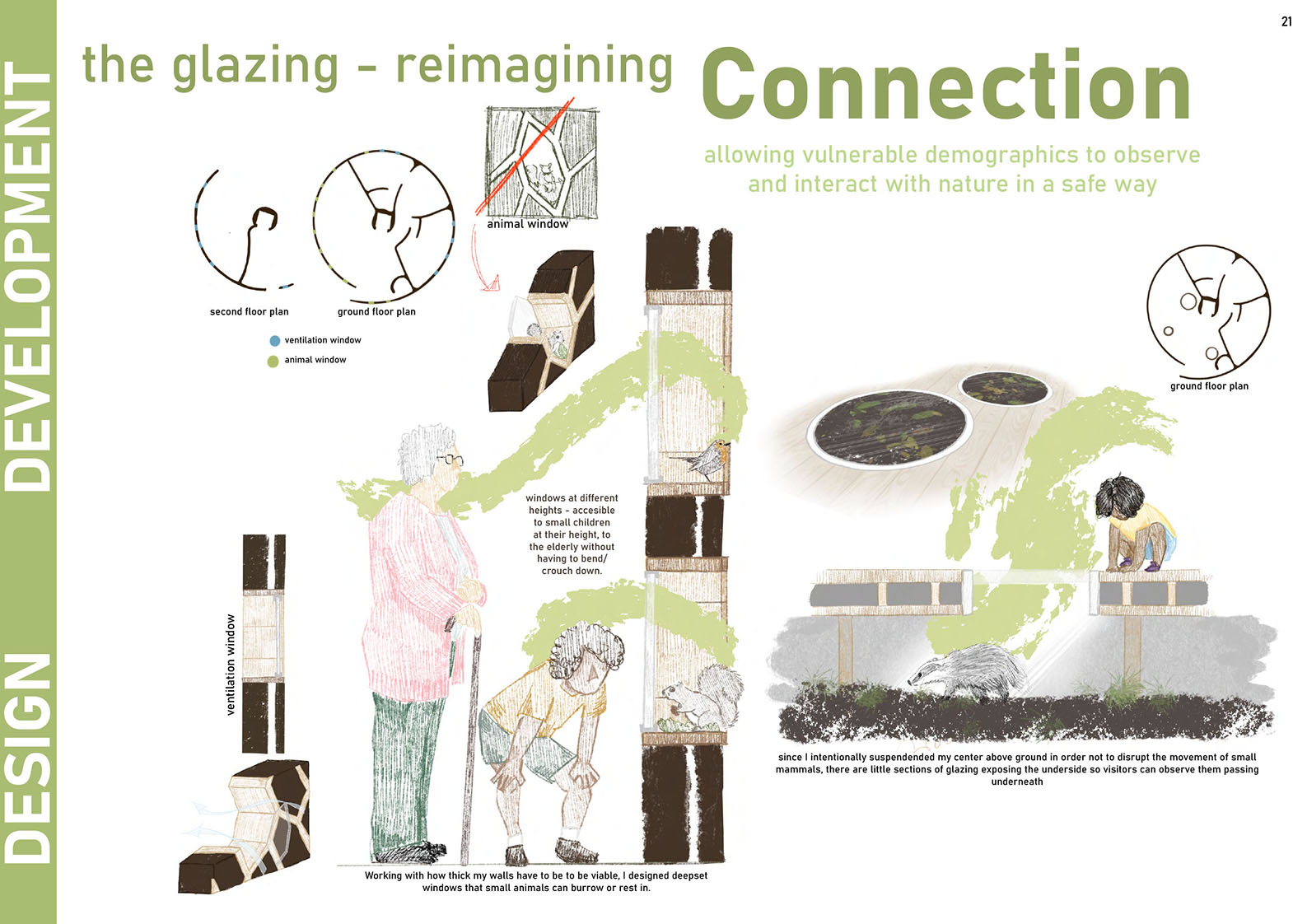
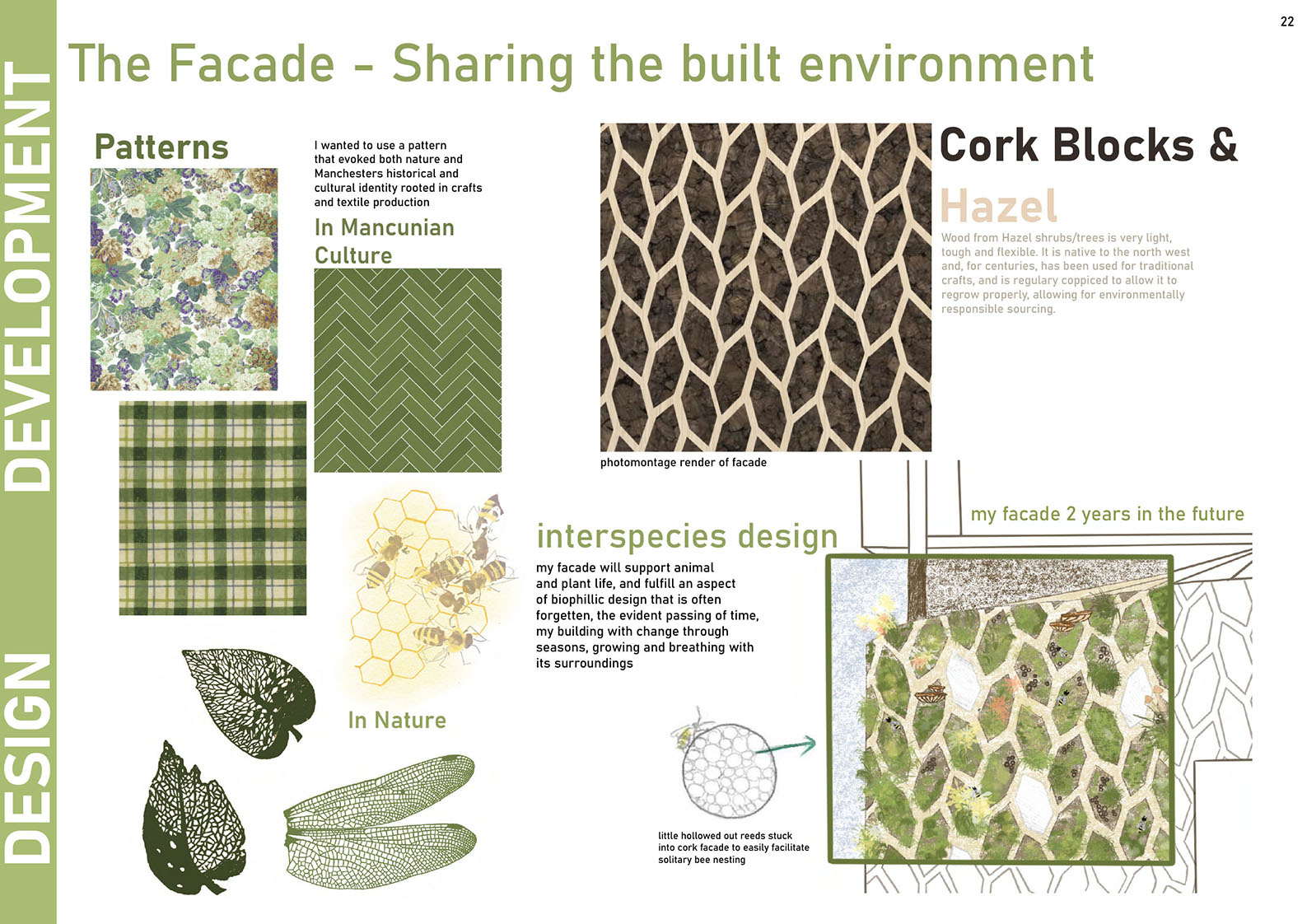
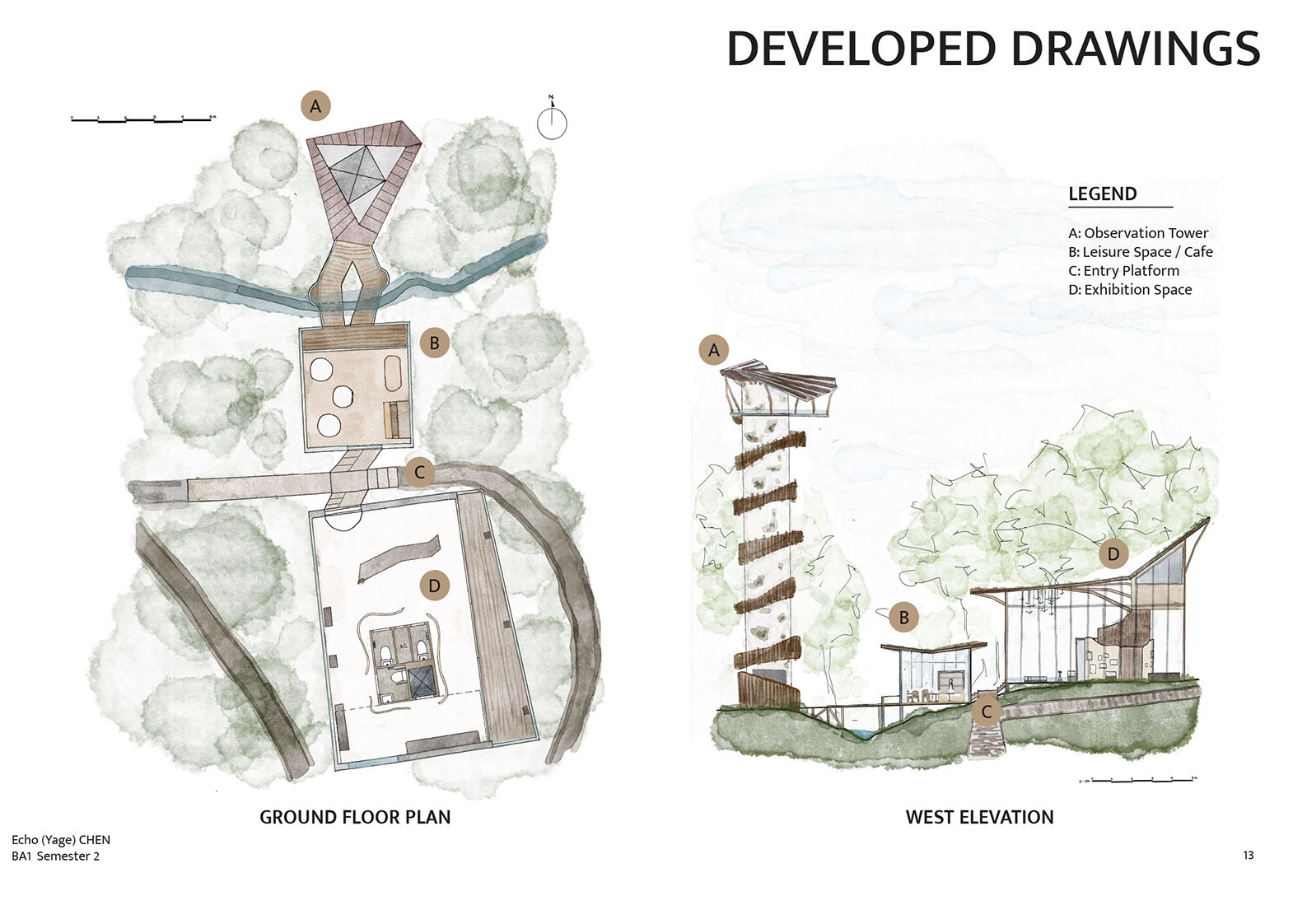
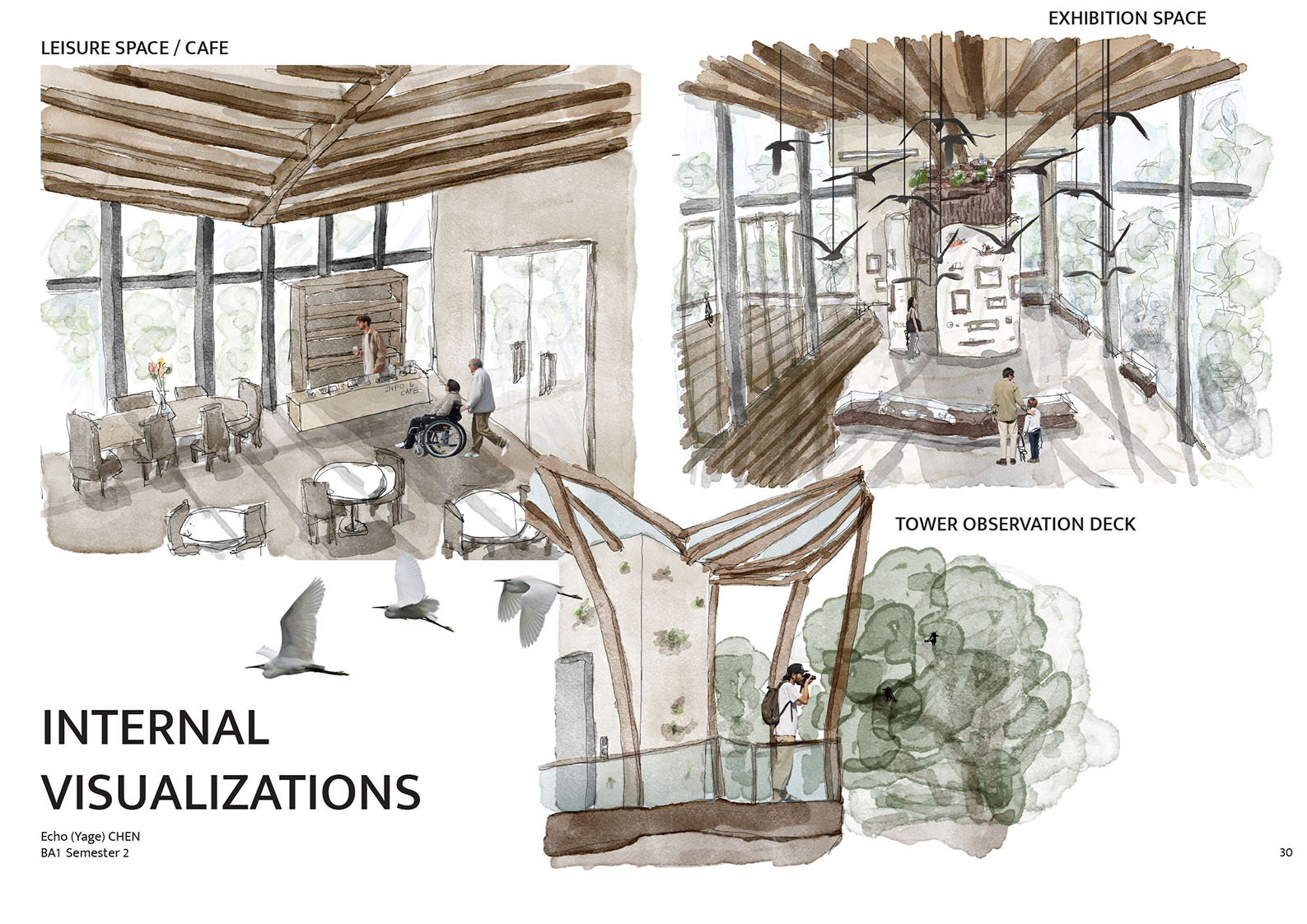
The advancement of critical, inventive, and solution-focused thinking is central to Design 2: Shaping Concepts. The semester-long Project E design challenge is an Interpretive Centre consisting of a vertical observation tower and a horizontal visitors’ centre, situated in a wooded suburban park. Beginning with site, contextual, and user analyses out of which concepts for architectural space, programme, and material intervention emerge, the project provides increasing scope for independent learning and individual response. Students work with tutors to explore, develop and communicate abstract concepts and resolve them into concrete spatial propositions.
BA1 Studio

ACTIVITY SPACE

Project Habitat Artefact A
ACTIVITY SPACE

This project challenged the students to use architectural design to expand the possibilities of public space. The chosen site was All Saints Park at MMU Campus. The park has recently undergone an ‘upgrade’, and it has changed how people occupy the space. This project included improvements to the park itself, and the development of an events space capable of hosting different activities at the centre of the park. The students’ task was to design a habitat artefact – a single space enclosure or pavilion – each responded to the spatial qualities of the park whilst providing shelter for an activity of their choosing. The activity of your choice should involve an aspect of performance and to be focused on an educational action, for example: teaching, showing, sharing, growing, etc. The location, purpose and design of the pavilion should be seen as a tool (i.e.: artefact), providing a tangible platform which brings together different players within our University Community (e.g.: Students + Uni Staff + Local Business).

MANCHESTER FIELD STUDY

Project Habitat Artefact B
MANCHESTER FIELD STUDY

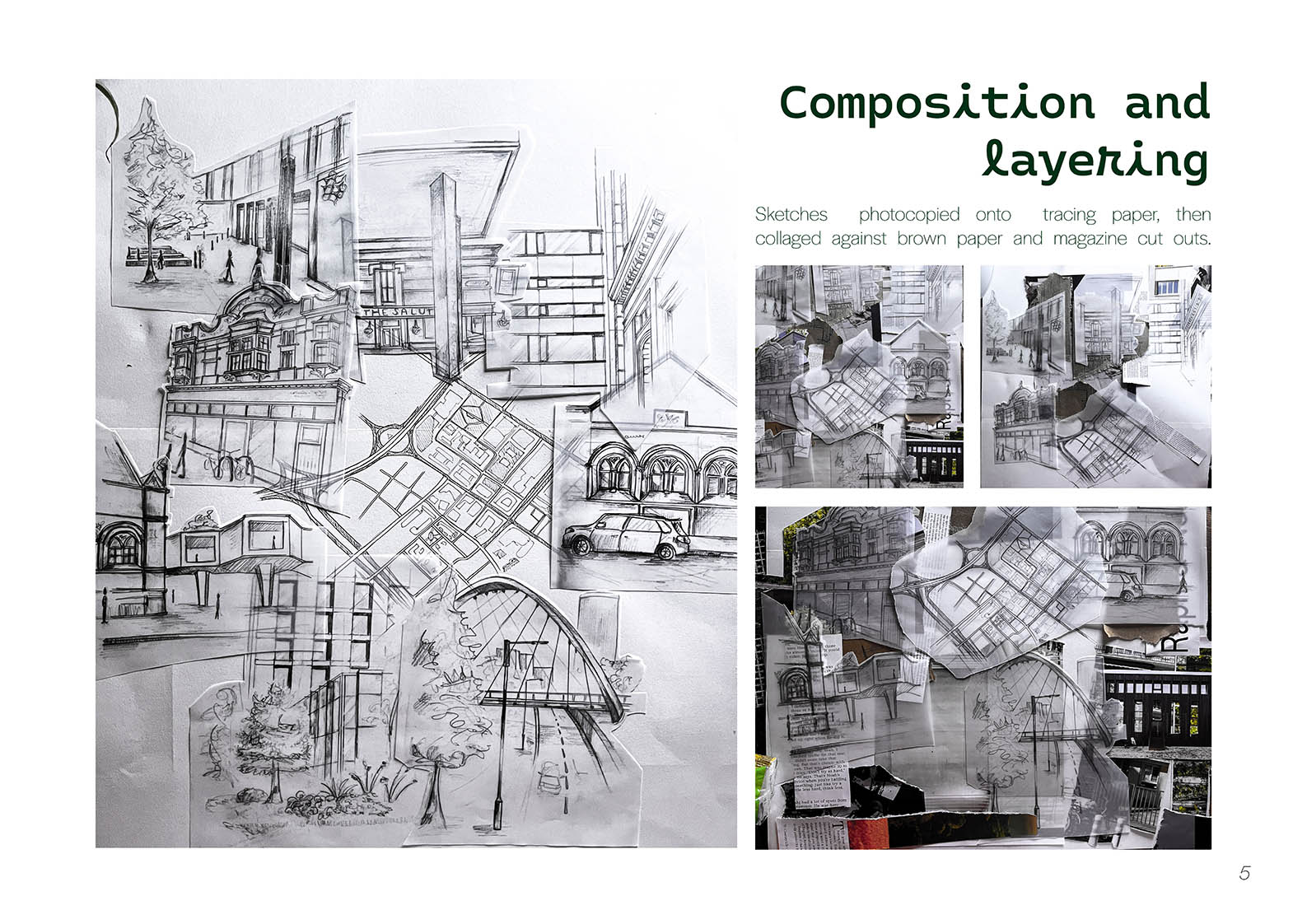
This project asked students to develop research by exploring and documenting key buildings of architectural significance within Manchester City Centre. In doing so, they developed research skills, learn to critically evaluate their findings and, perhaps more importantly, familiarise themselves with the city. Students developed observation and interpretation skills to critically analyse these buildings and their context through sketching, diagramming, photography.

TEMPORARY LIVING SPACE

Project Habitat Artefact C
TEMPORARY LIVING SPACE

This project asked the students to challenge preconceptions around living spaces. It prompted students to explore the notion of temporality in architecture by designing a temporary microhome in the city. The aim was to develop an architectural response to contemporary challenges such as temporary homelessness and the provision of emergency shelter in an urban context. The project starts with developing a client profile within this context, defining the habits and needs of two (02) people that will be living together, sharing the space for a year. On this project student have explored the notion of minimal space, functionality, and levels of enclosure.

COMMUNITY LIVING SPACE

Project Habitat Artefact D
COMMUNITY LIVING SPACE

Part 1 | Conception

This project aimed at expanding the students’ experience in design living spaces (i.e.: the habitat artefact). It started with a co-design exercise to reflect on the systemic challenges and responsibilities of transforming our cities. On this process, the students face the challenge of designing collectively as ‘Project Team’, aiming to collaborate with a number of different players in the same Masterplanning task. This Masterplan then becomes the basis for each student to conceive their own individual Building Design for a single-family dwelling, which should be proposed as an integral part of the Community developed by the collective.

Part 2 | Resolution

At this stage students worked individually to advance their Building Design proposal for the single-family dwelling from a conceptual to a resolution level.

On this process, they explored and developed their design, considering key strategic design decisions towards environmental performance and climate emergency, as well as its tectonics, looking at materiality, constructability and structural performance.

PROJECT E

Need something for here

Need some content