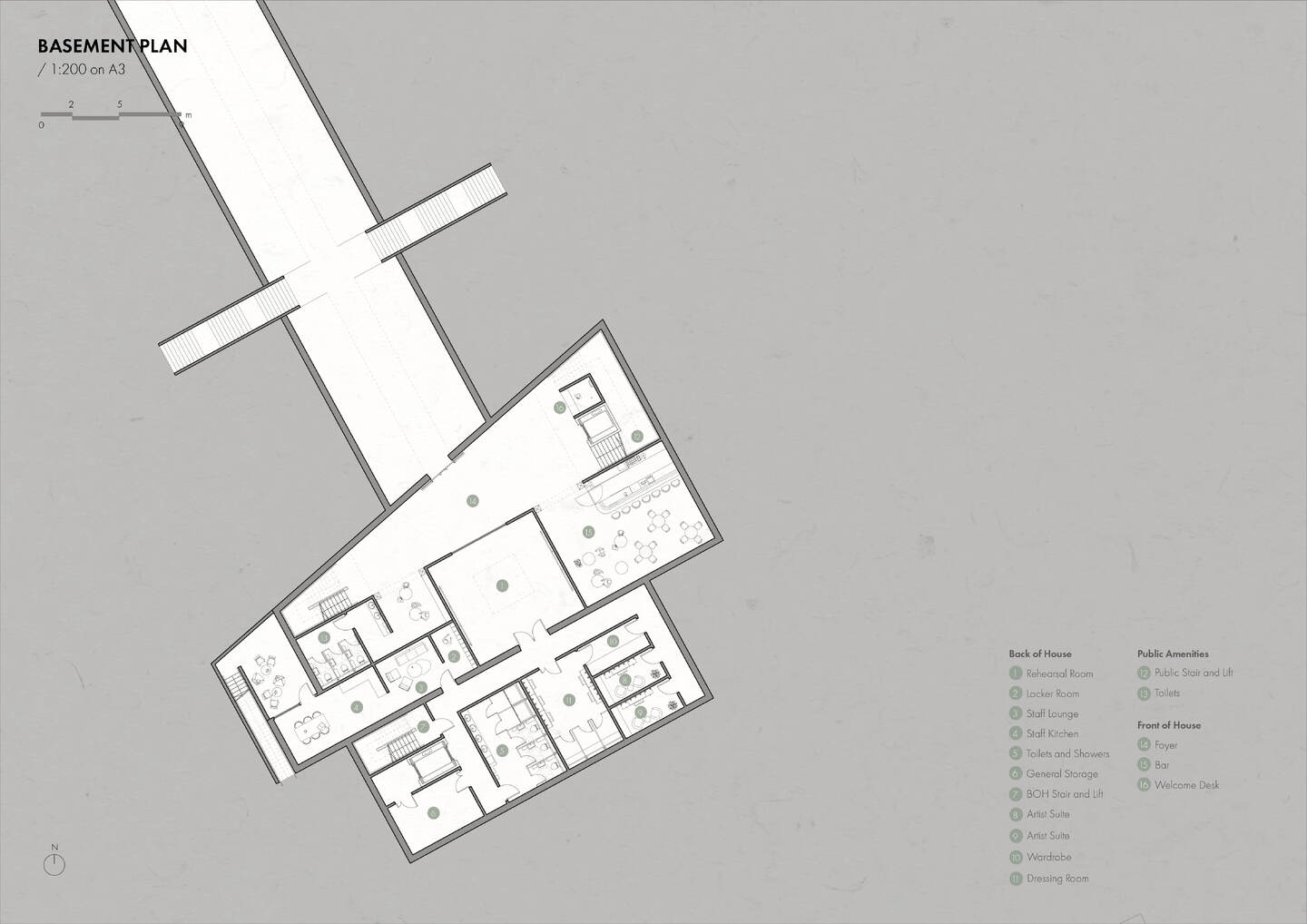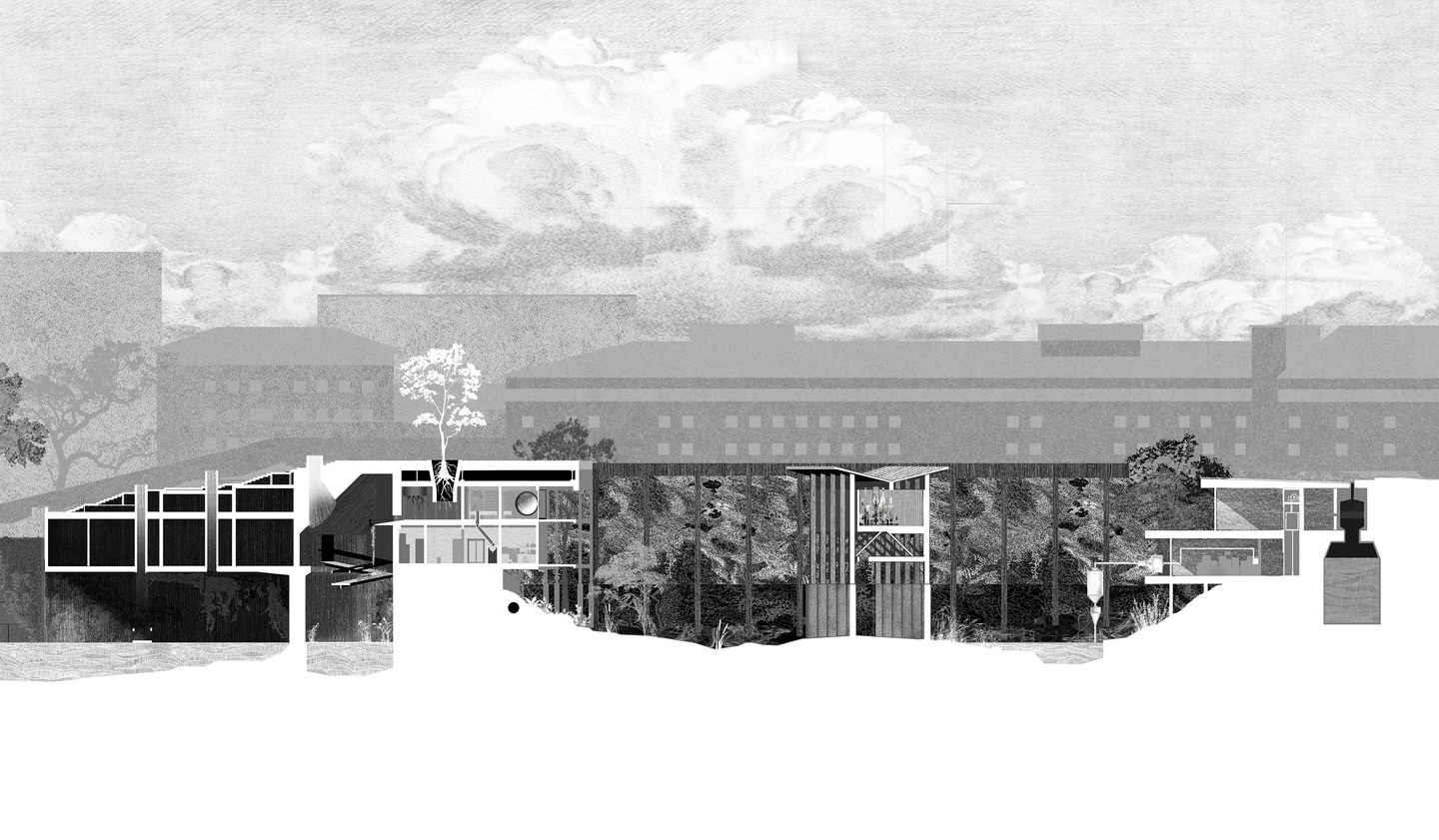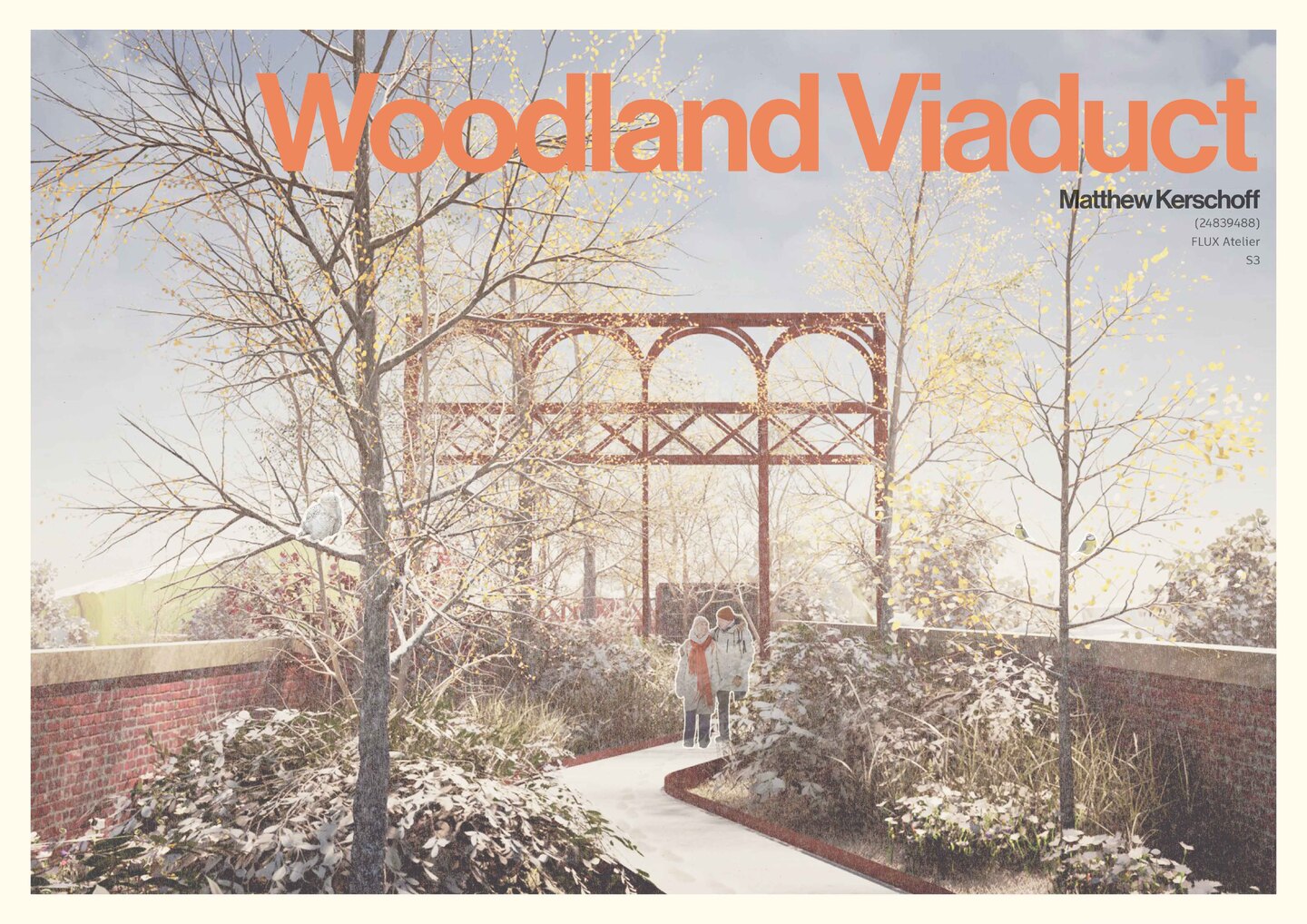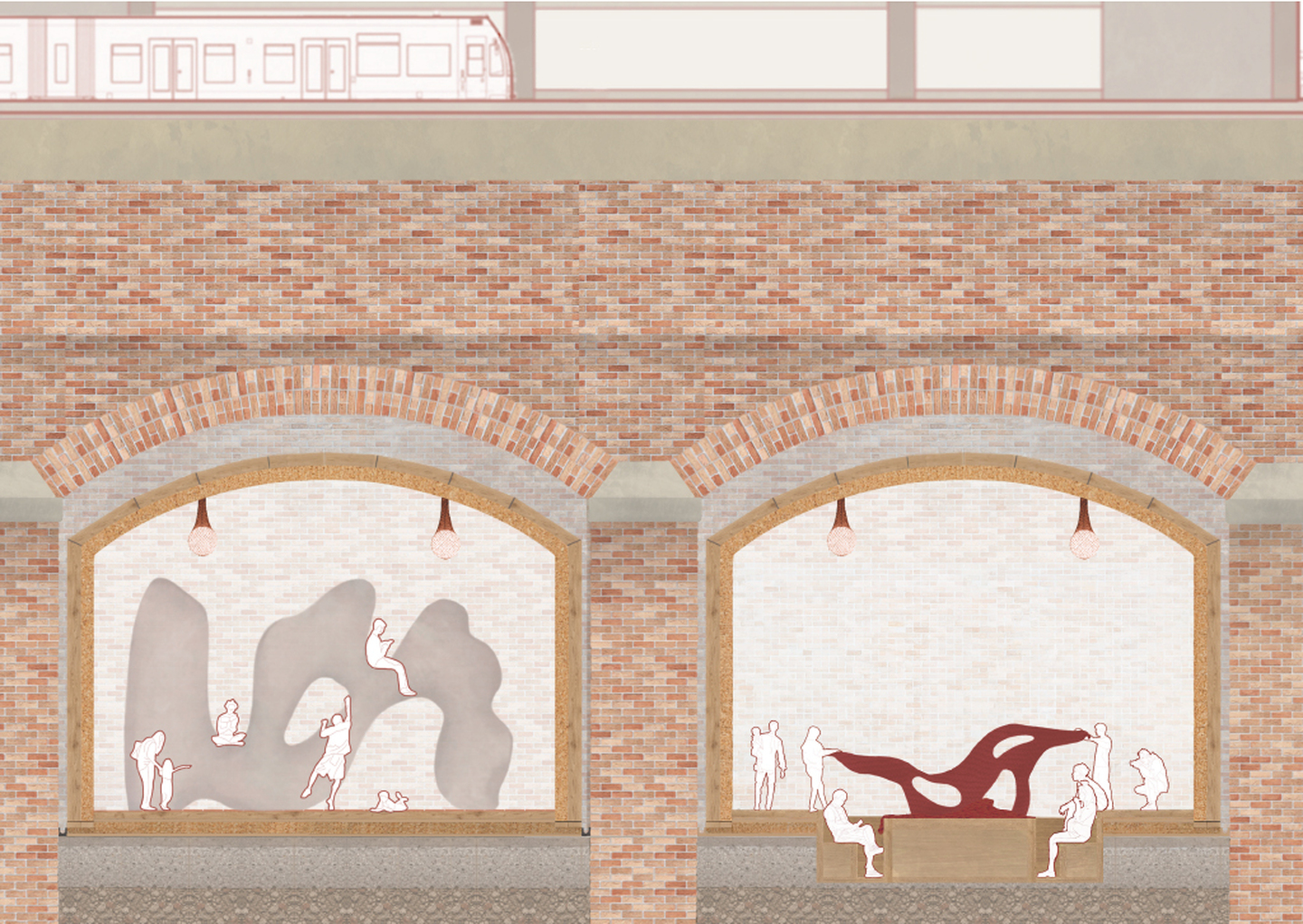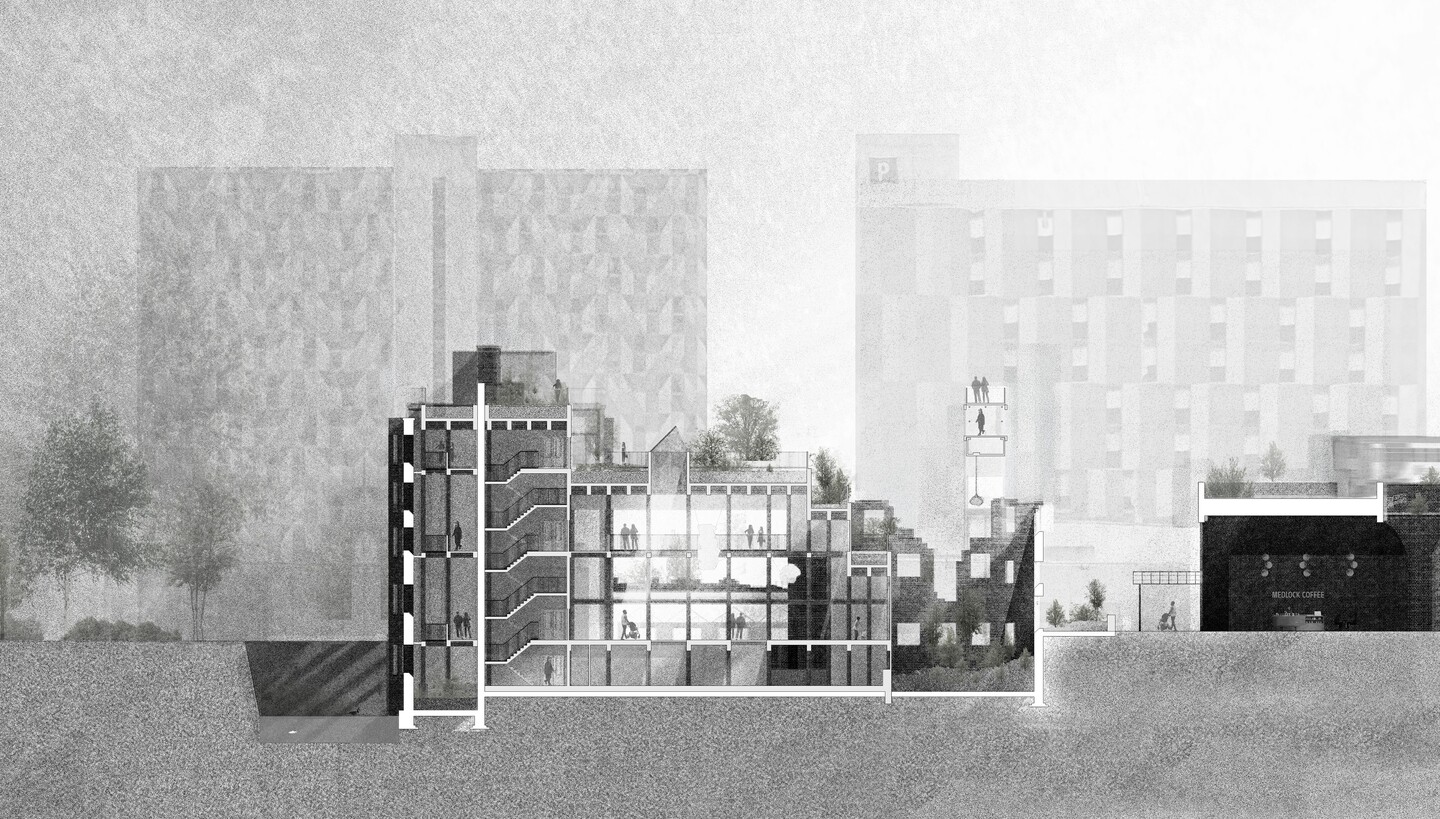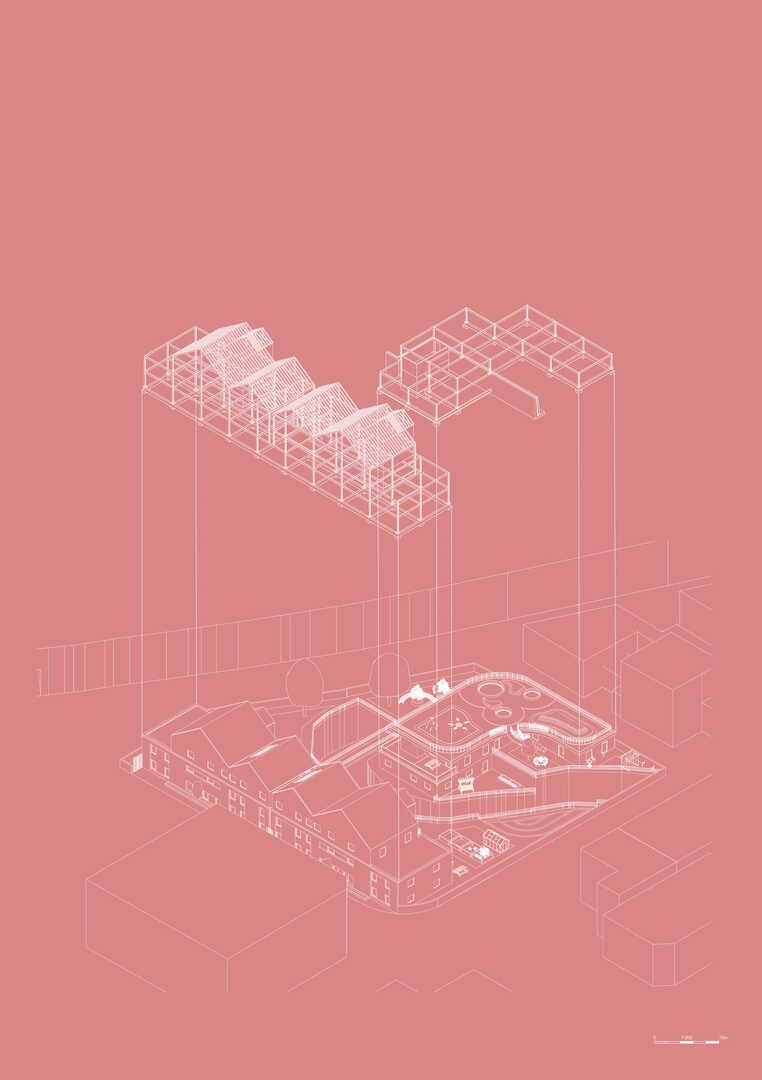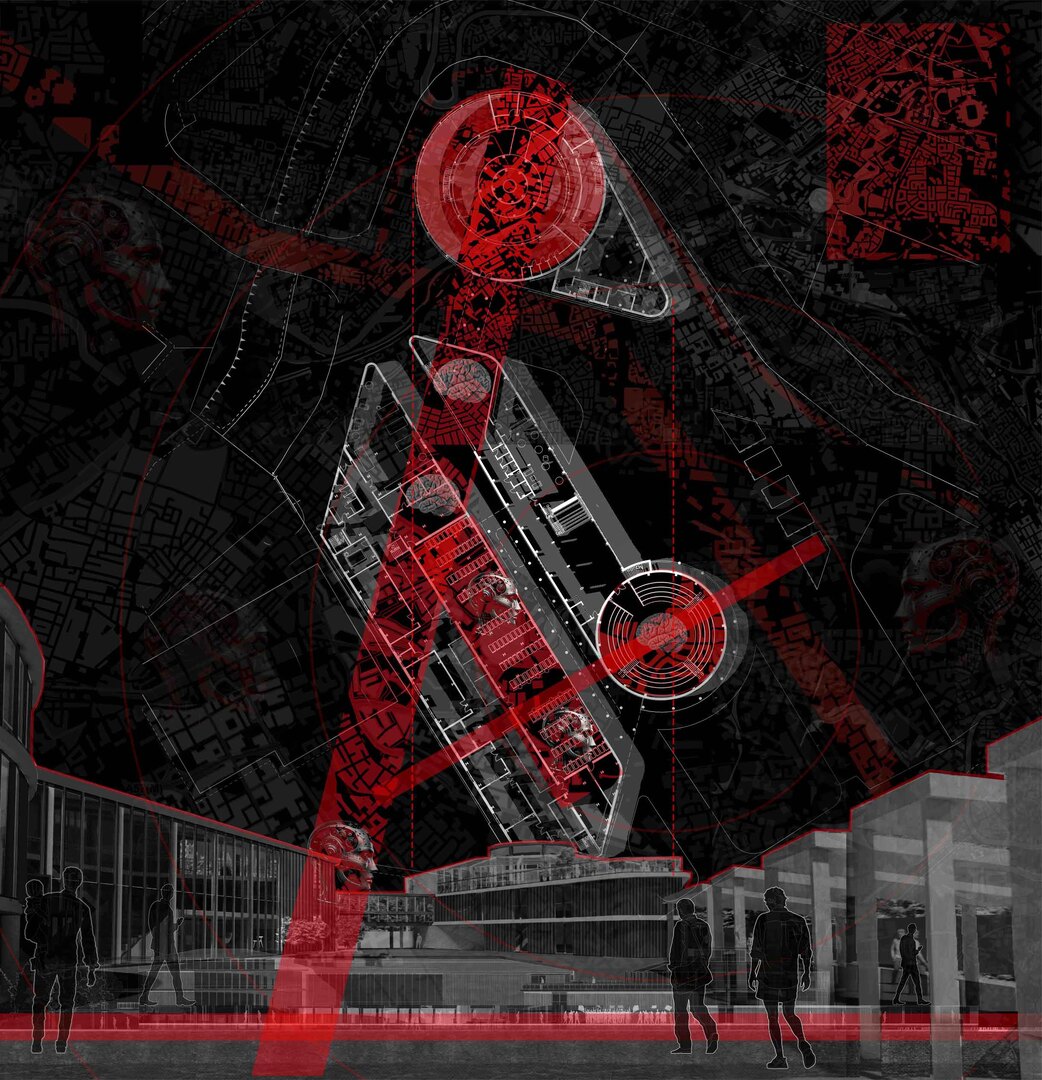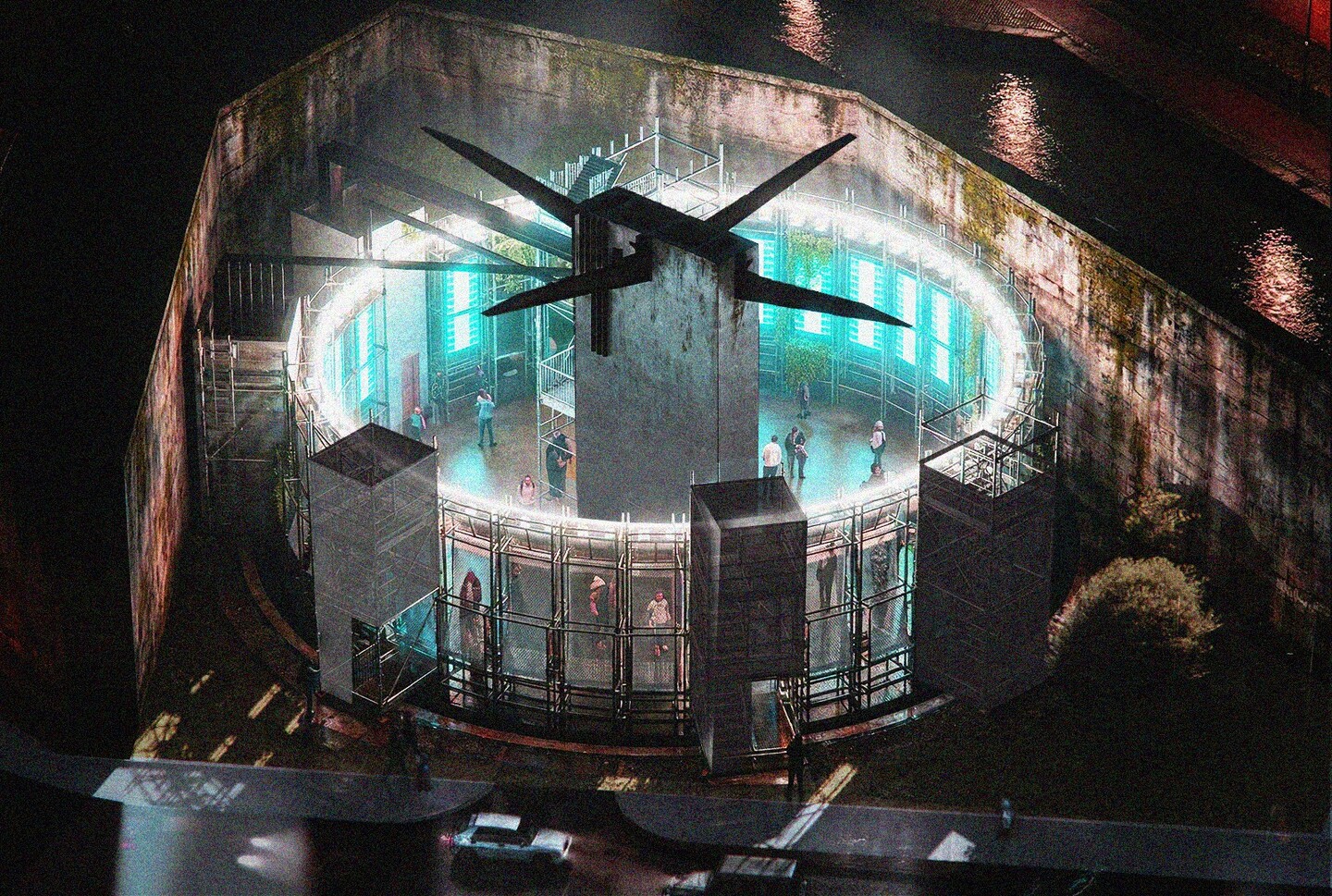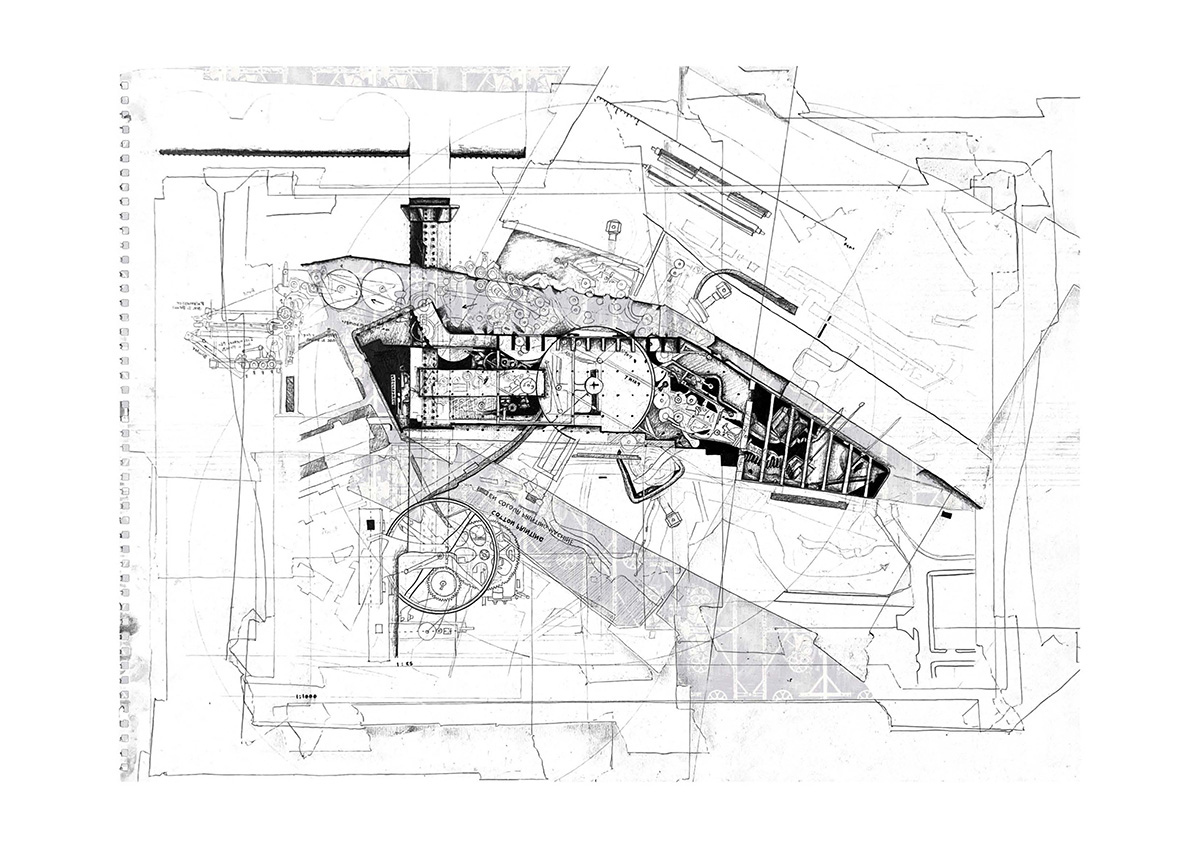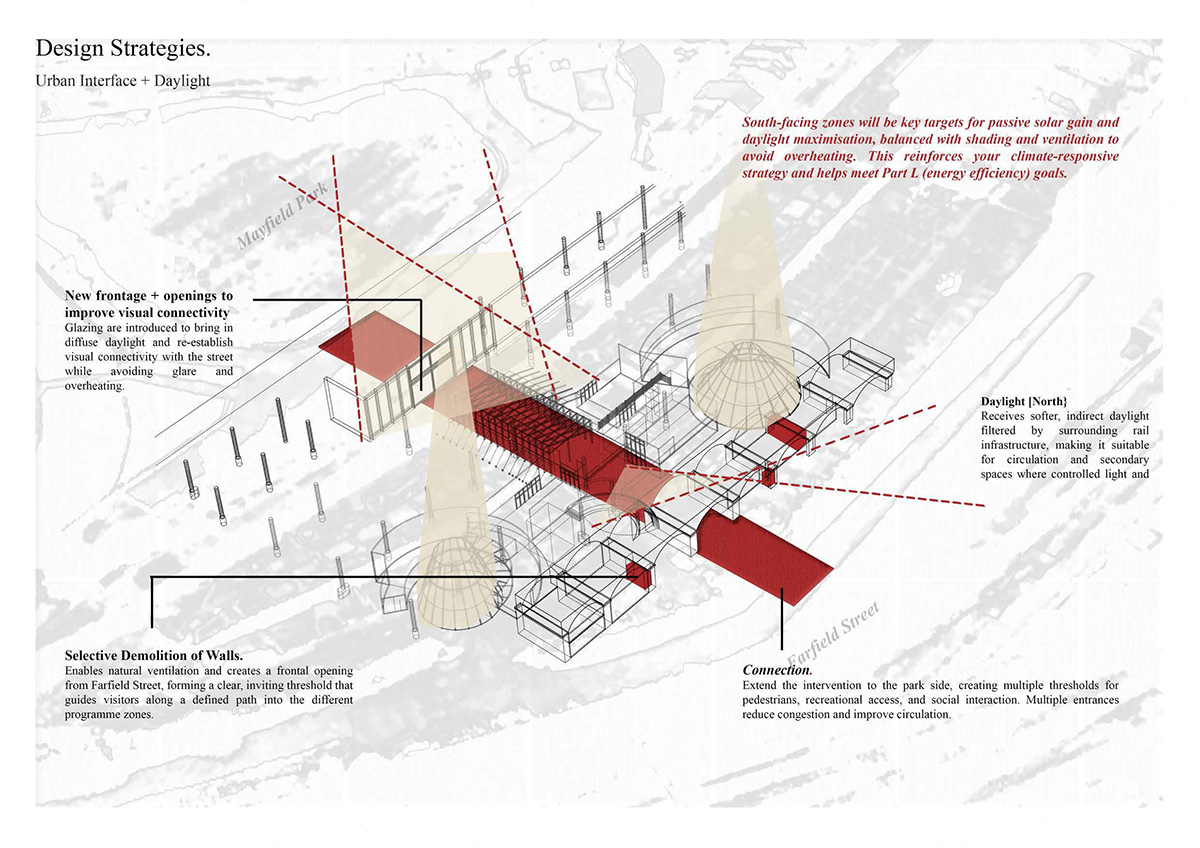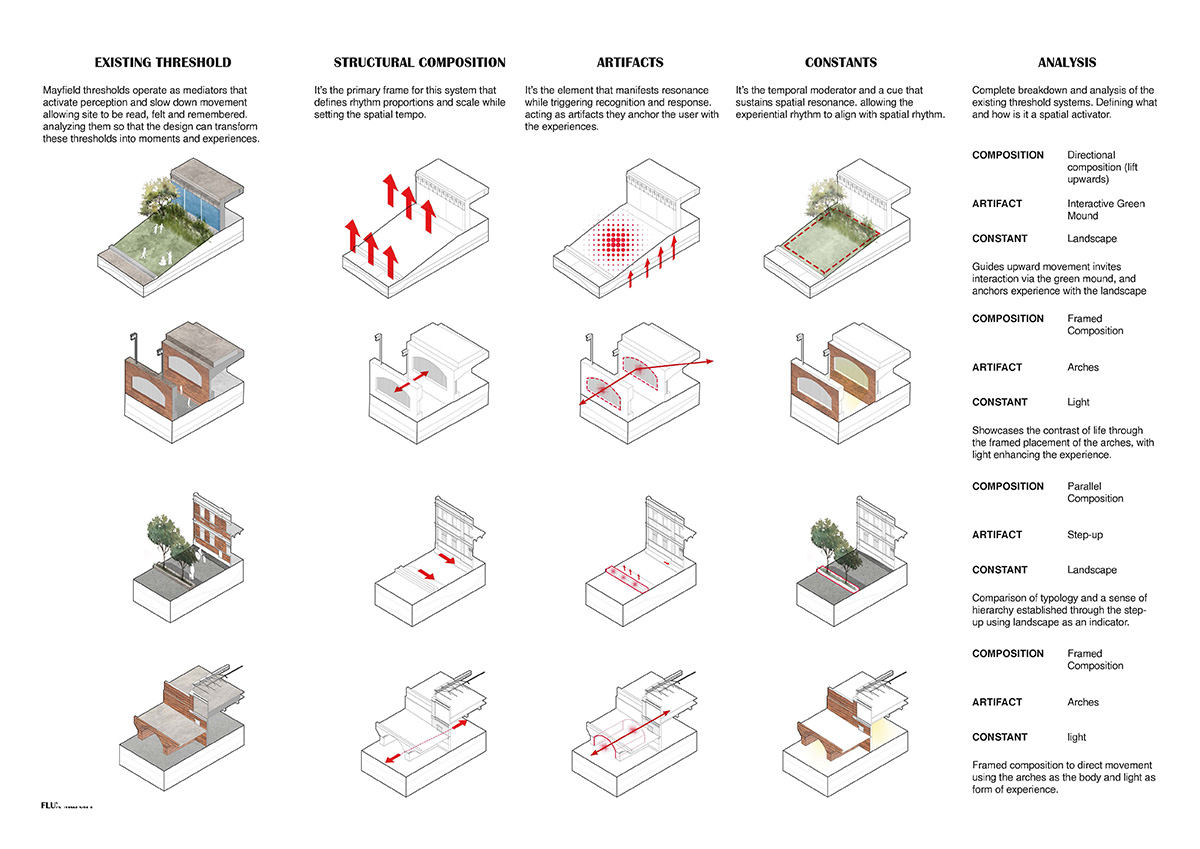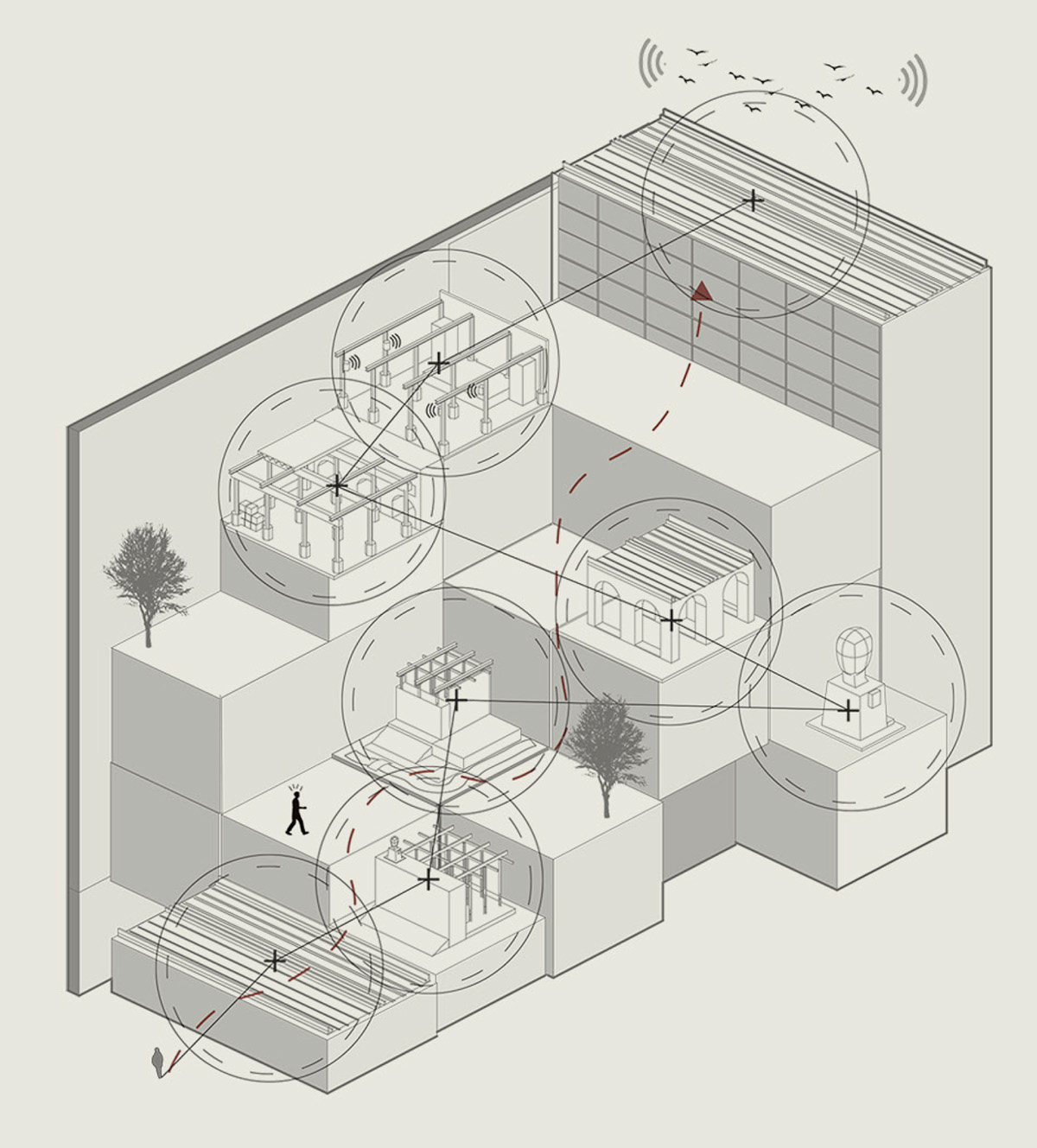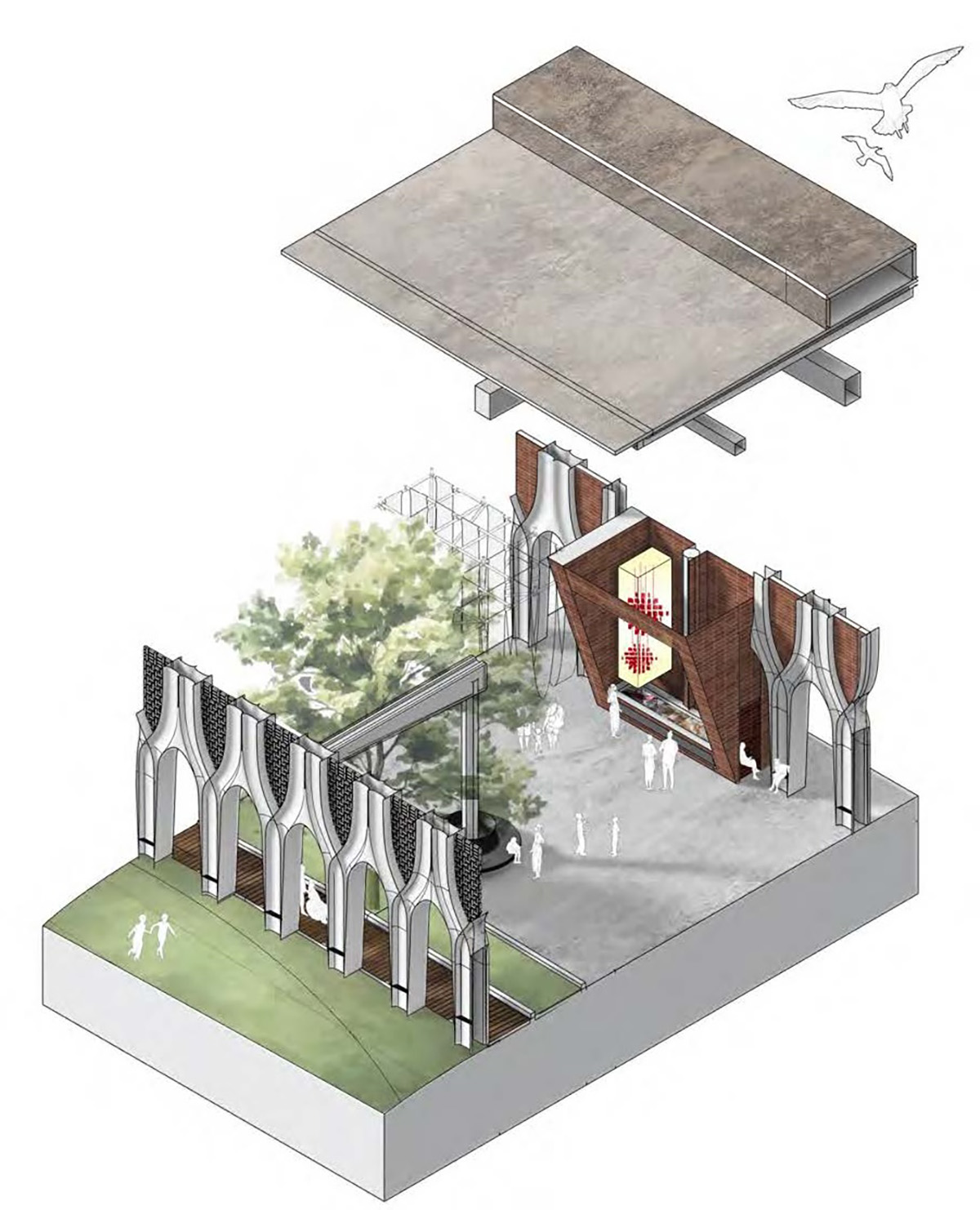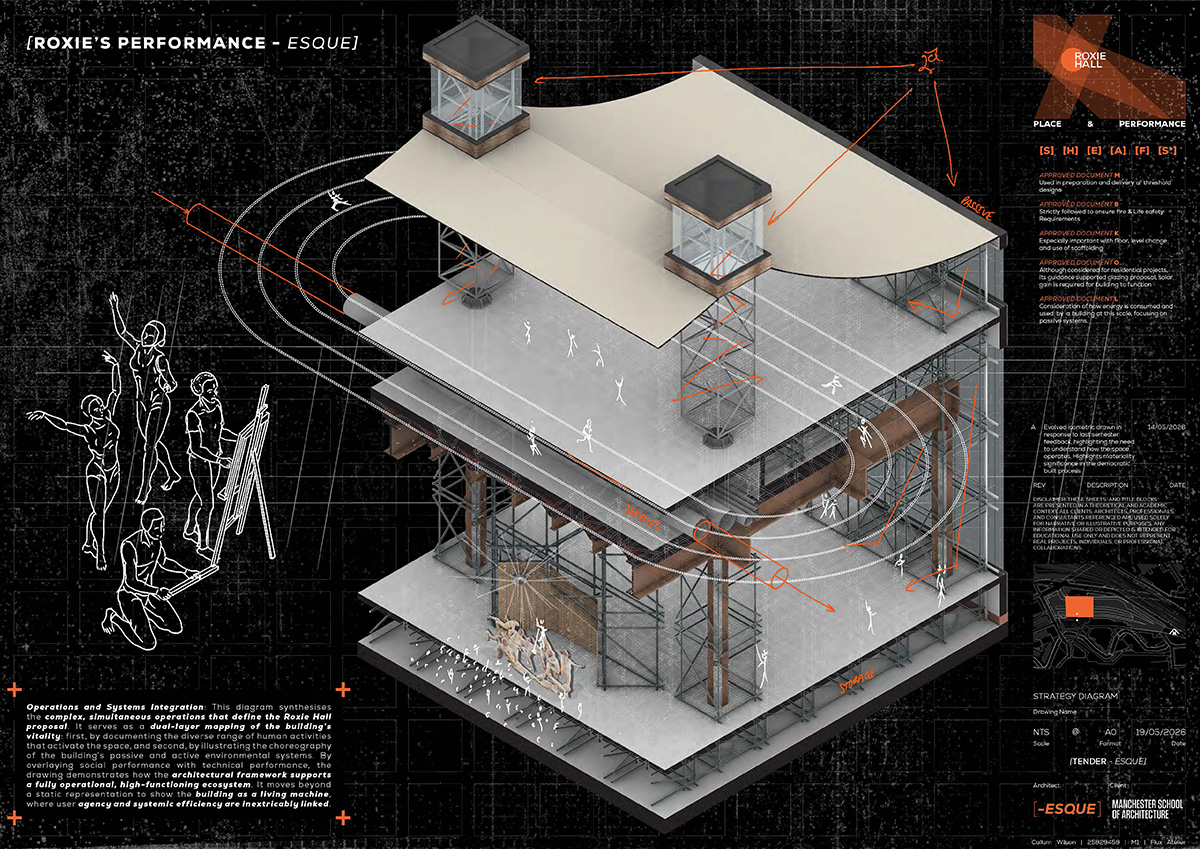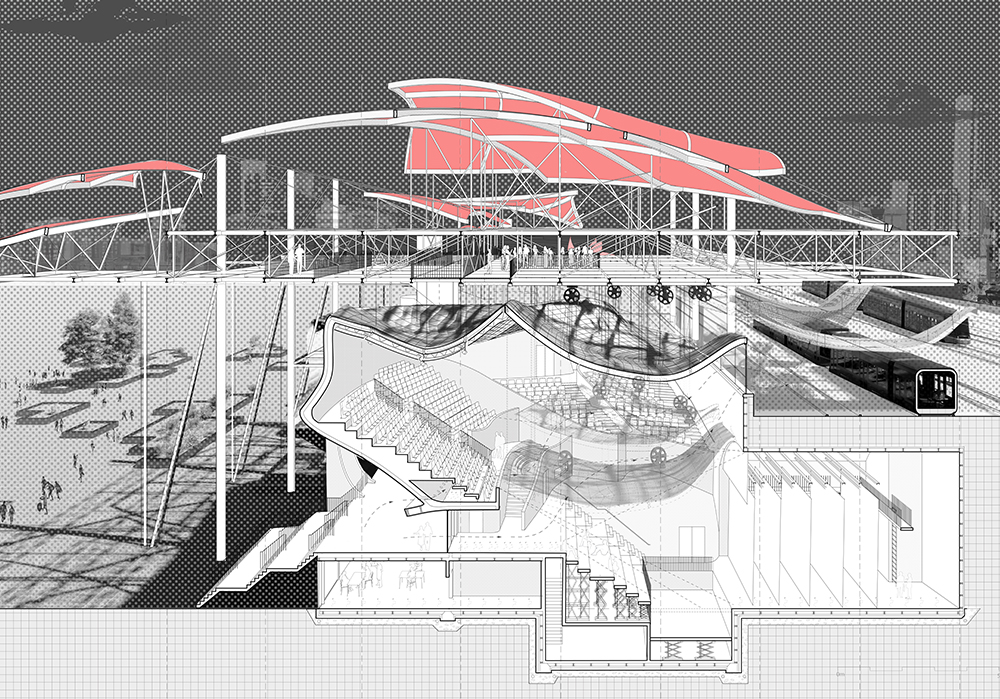

FLUX Atelier explores the temporalities of urban change. We understand the city as always in the making; it pulsates with rhythms at different temporal scales (momentary, daily, seasonal, epochal…etc.). We also envision the city as an archipelago: consisting of multifocal conditions with fluid relations operating among them. The brief this year was to build on such themes to envision and activate a state of change in Manchester City Centre that accounts for all voices.

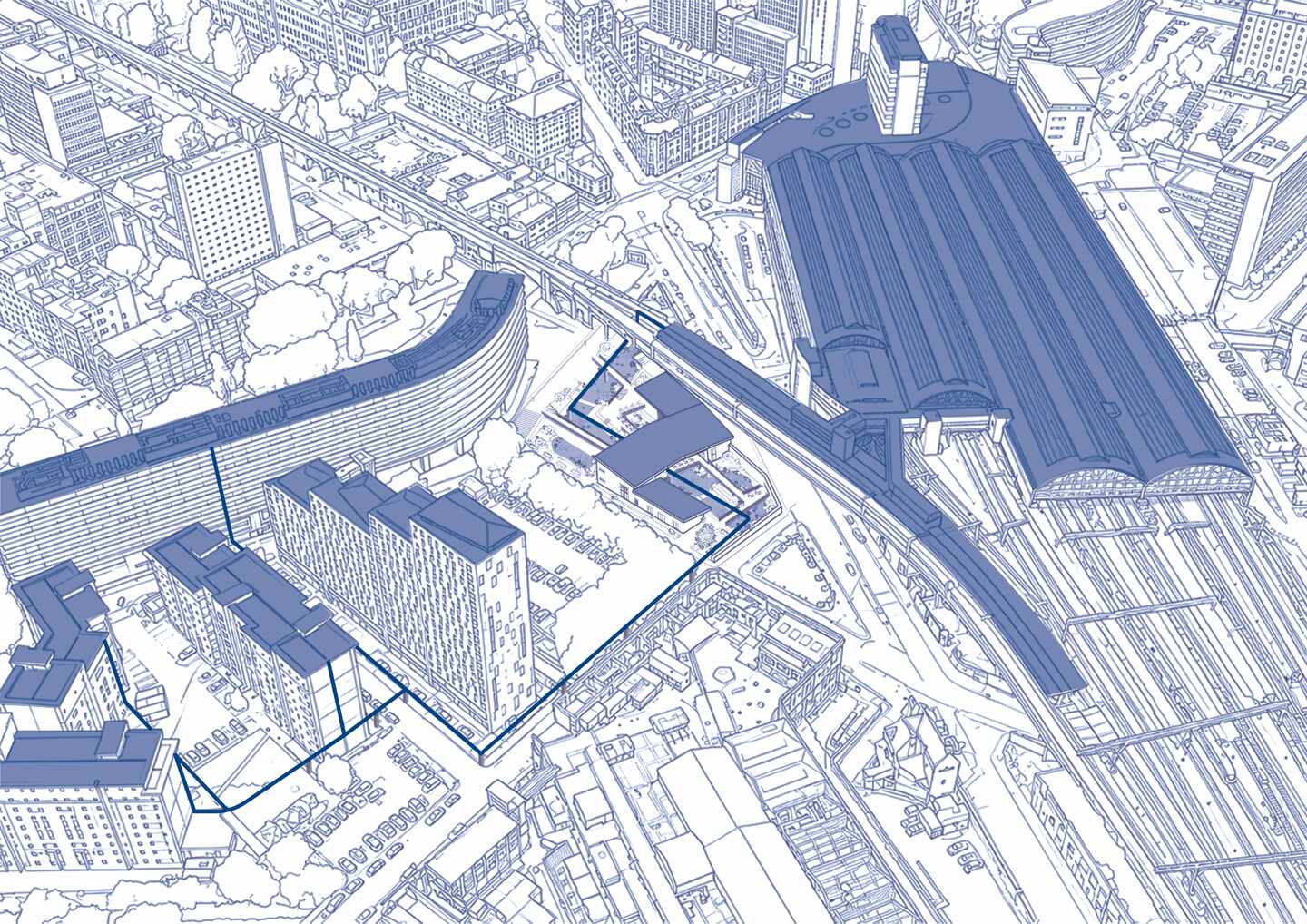
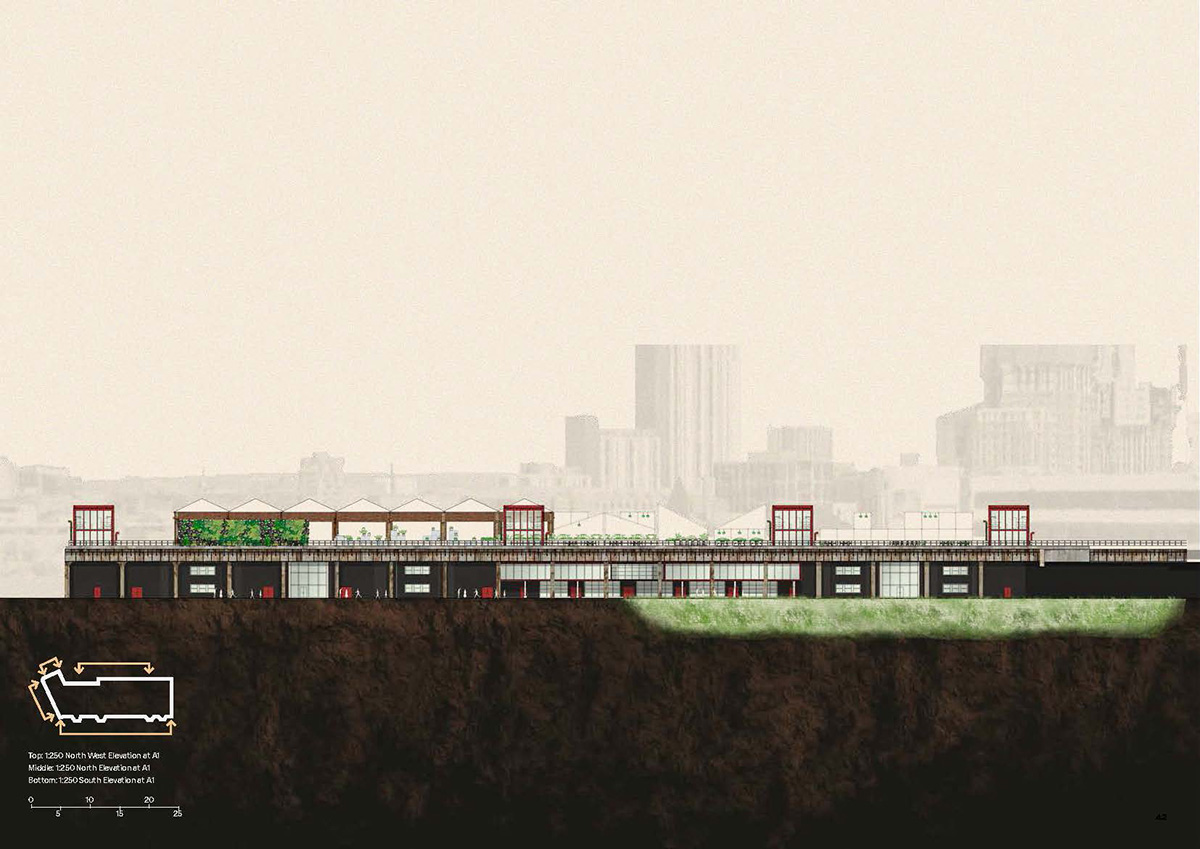
In 2025-26, FLUX M.Arch students developed propositions for an archipelago of sites across Mayfield, an area disconnected from Manchester both spatially and temporally for about 100 years, and Piccadilly to the north, an area where development has been stalled for decades awaiting HS2, which never came.

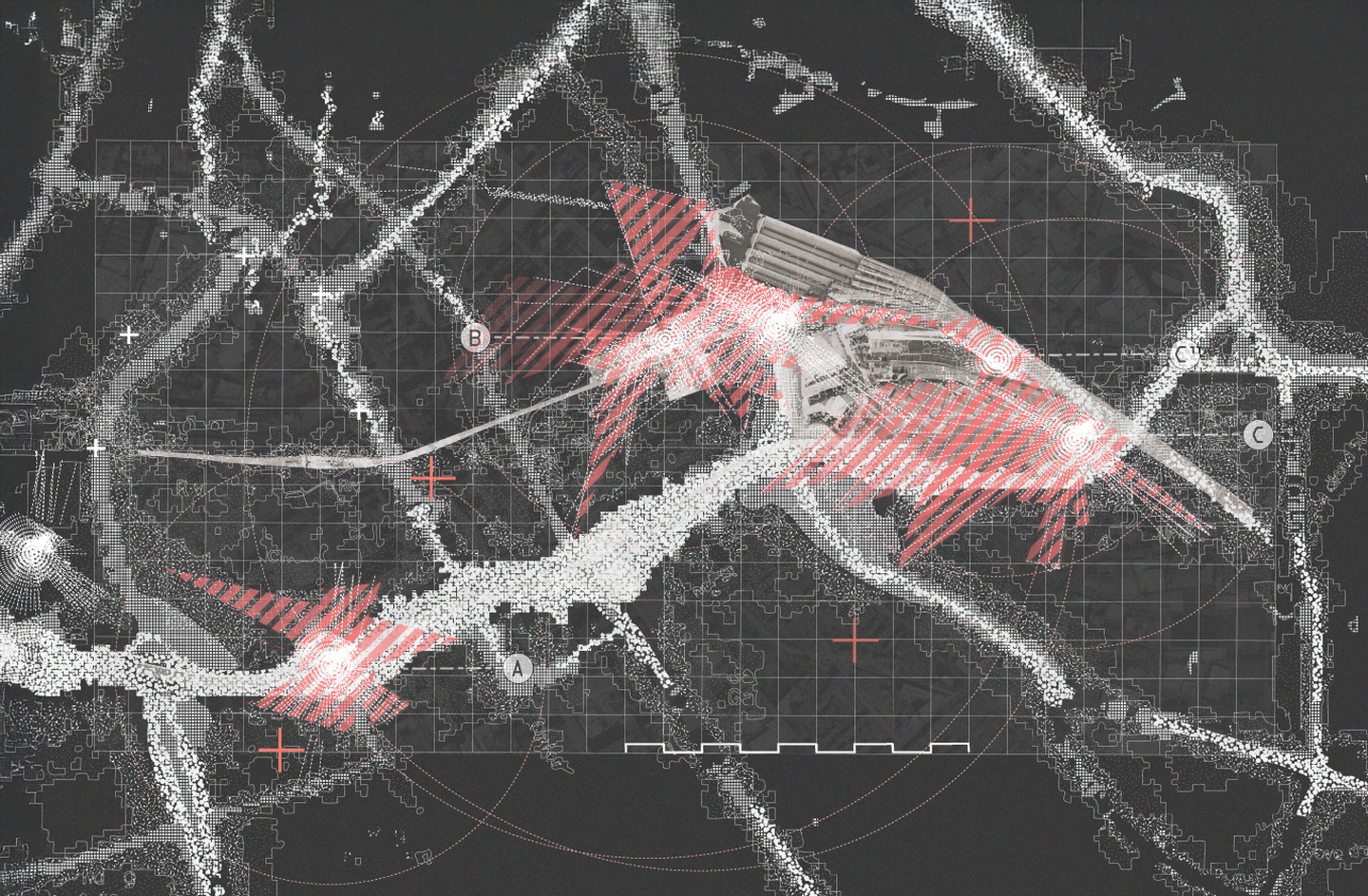
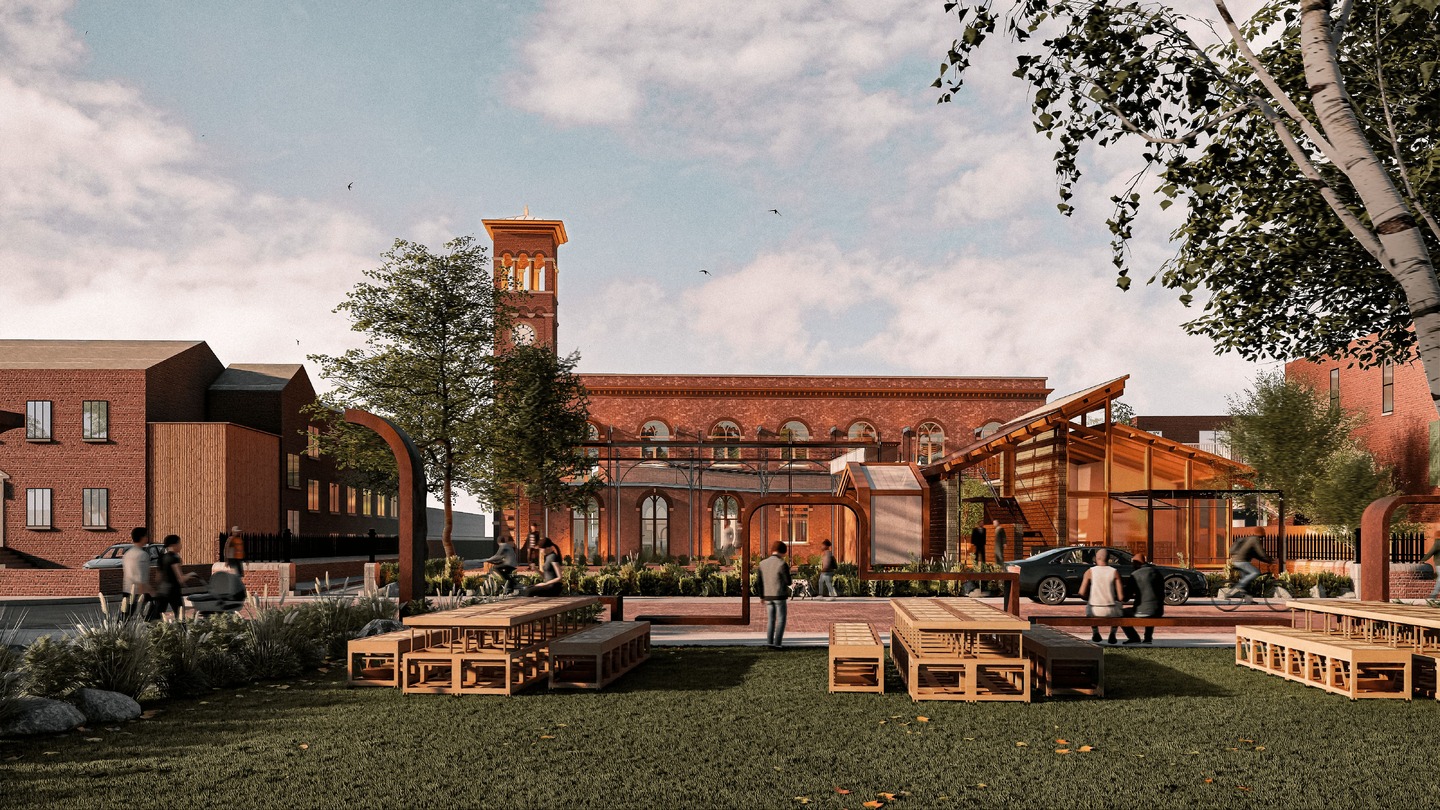
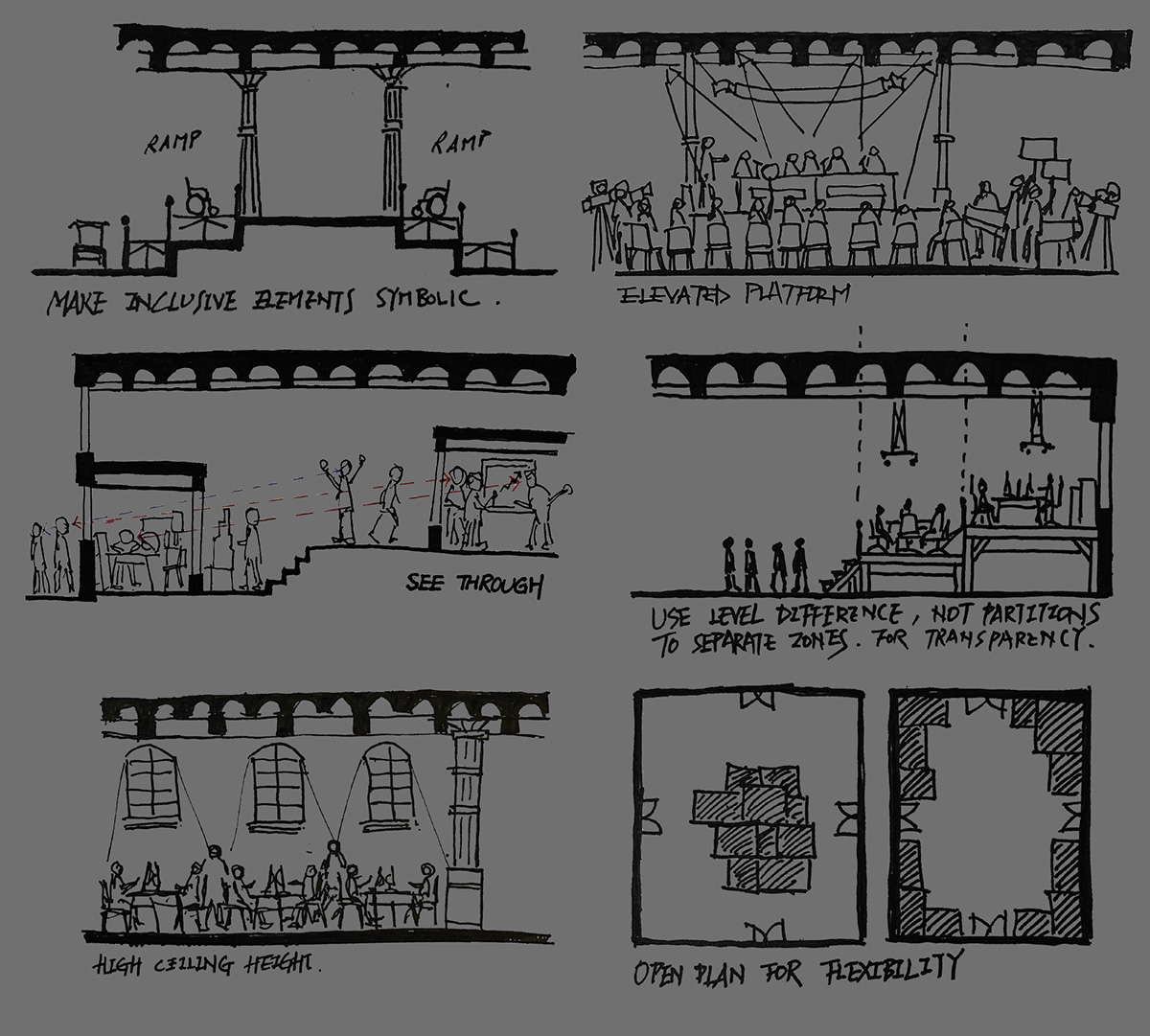
The first rule of FLUX is to work on and from the site. FLUX Labs immersed students in their site through direct experiences of its people, its materiality and atmospheres, its stories and life cycles. Through improvised situated practices, each student discerned a matter-of-care on behalf a community and the public realm. Each student devised their own brief to initiate narratives of reconnection in response to Manchester’s transformations, and proposed built structure(s) that aspire to an equitable urbanism.

Special Thanks

Special thanks to our industry partners and practitioners who contributed to studio and hosted FLUX students in their offices: Martyn Evans, Sam Jarrett & team (Landsec U+I), Alex Whitbread & team (FCB Studios), Matthew Hayward (Jon Matthews Architects), Rory Chisolm & team (Donald Insall Associates), Charlie Curtis (Stoneweft), Kudzai Matsvai (Kumacon), Mike Rostock (Lina Ghotmeh-Architecture), Nick Mitchell (Greig and Stephenson), Matthew King (Tigg Cole), Tom Goldthorpe (Hawkins\Brown), Duncan Peabody & David West (Studio Egrett West), Dave Lynch and Sam Hallas (Immersive Networks), Prof. Oren Lieberman (Portsmouth University), Ian Miller (County Archaeology for Manchester Metropolitan area), Prof Andres Ojari, Eik Hermann & Team (Estonian Academy of Art), Markus Lähteenmäki (University of Helsinki), Julian Lipscombe (Bennetts Associates), Susie le Good (AHMM), Phil Coffey (Coffey Architects), Ben Myers (Morris+Company), Rupert Goddard (Sheppard Robson), Theo Fisher (Jeffrey Bell Architects). We also thank reviewers Wayne Hemingway (Hemingway Design), Roger Hawkins (Hawkins\Brown) with Kevin Singh (HoS, MSA) for Design Chat PLUS.

Image Attribution

FLUX M2 student: Laura-Elena Popa (laura-elena.popa@stu.mmu.ac.uk)
Architect in Studio

Architect in Studio: Strategy (AiSS)

Architect in Studio: Strategy (AiSS)

Urban Development Space

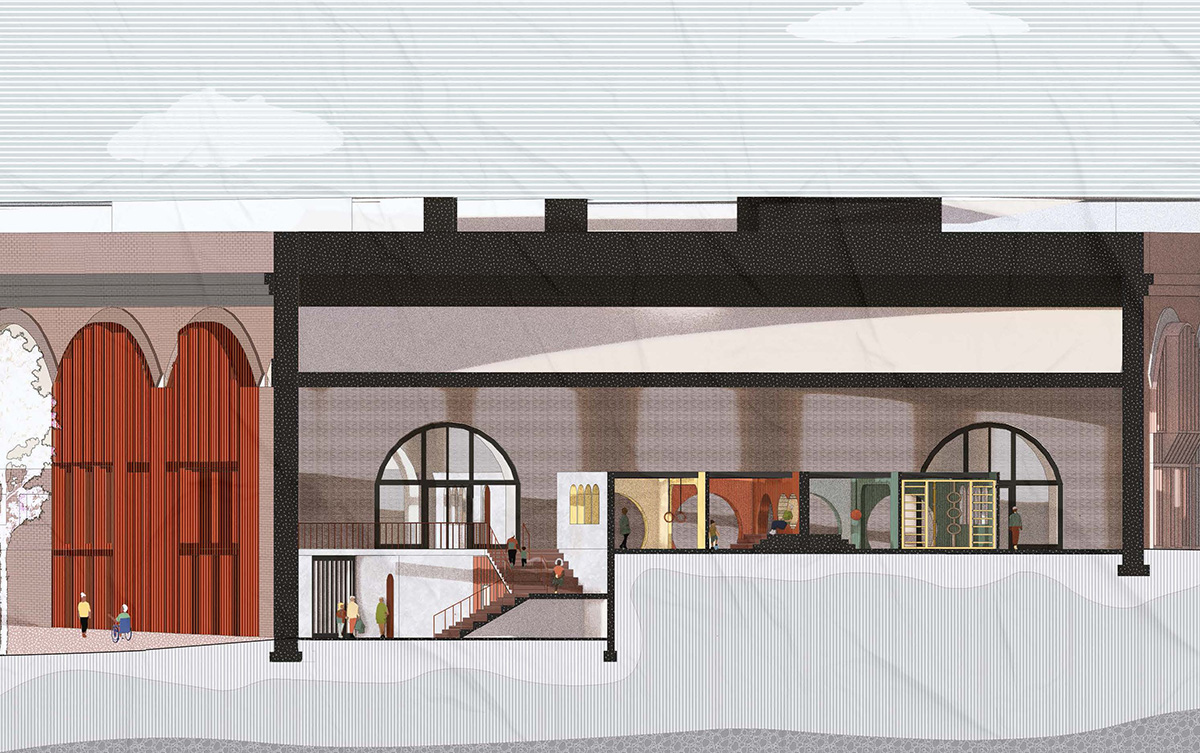
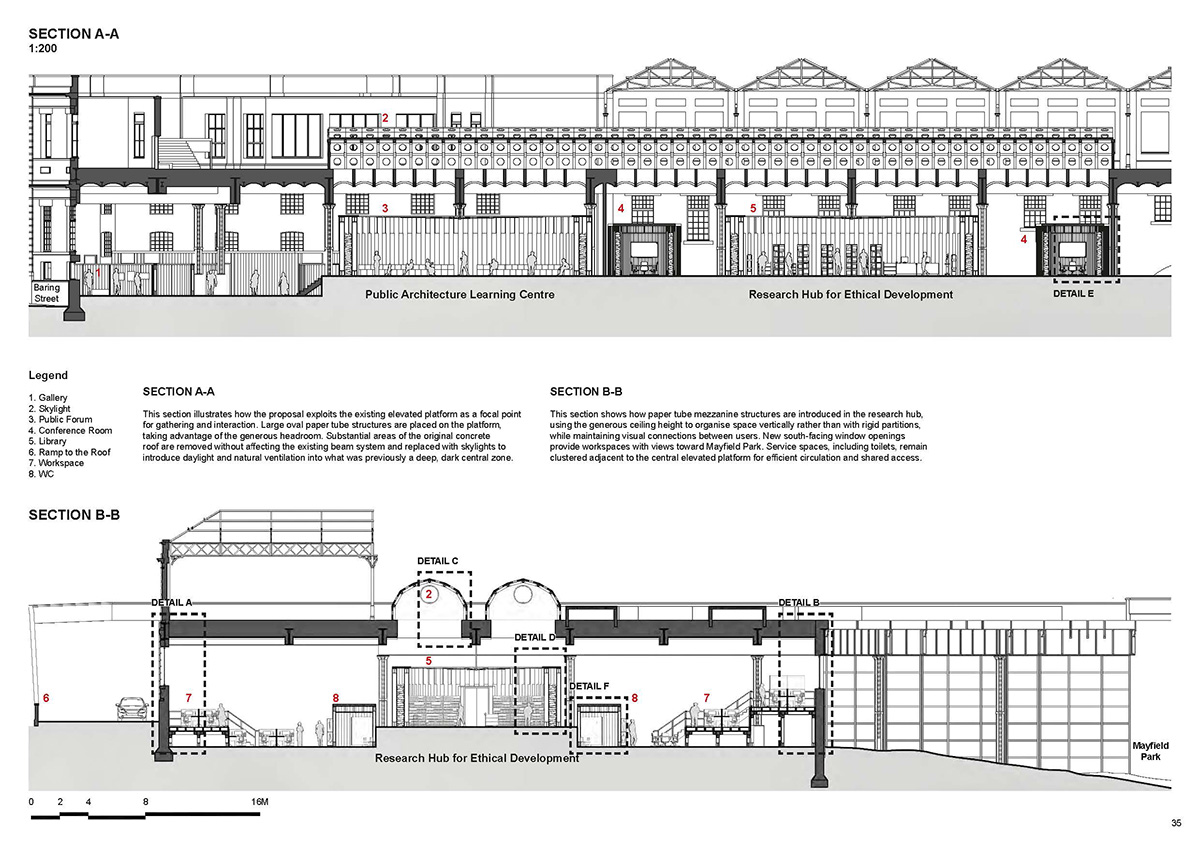
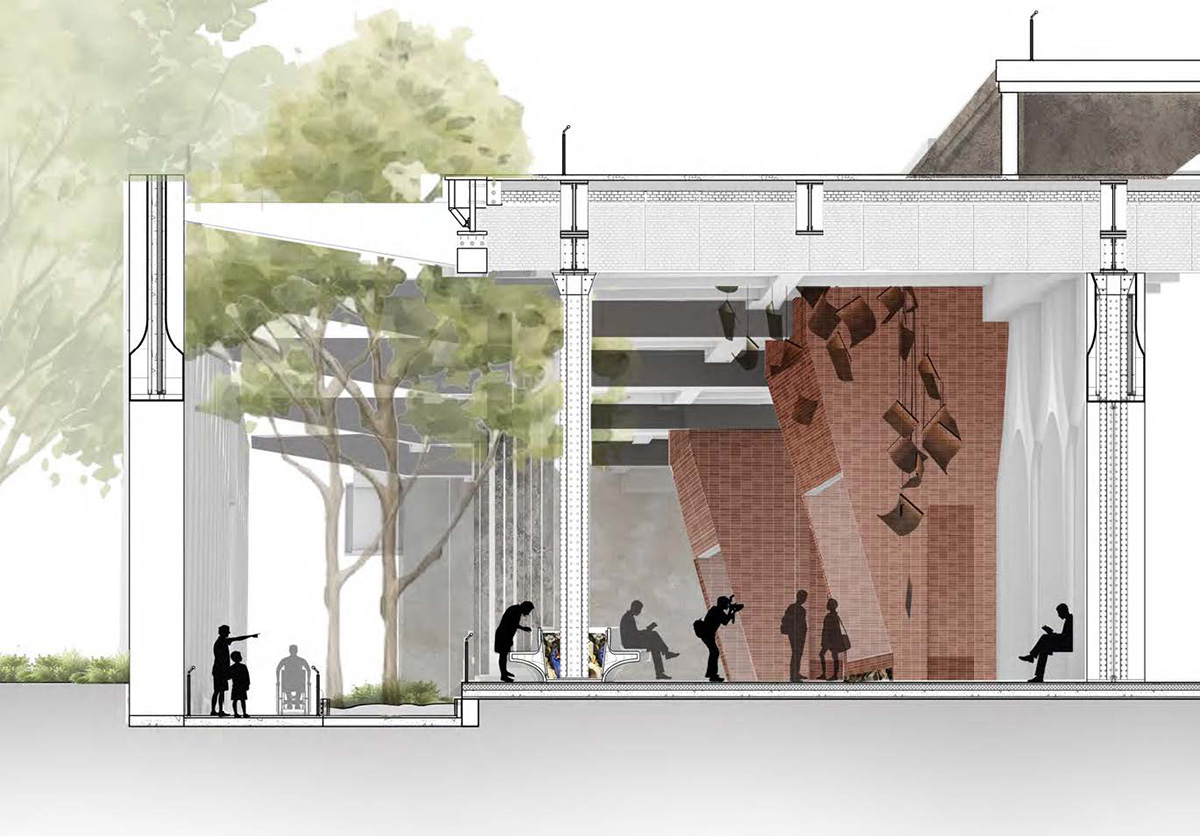
Access to learning is seen as a fundamental measure of a fair and democratic society, a value which we can see manifest in our civic environments. Working within the existing structures of Manchester's Mayfield Depot, FLUX M1 students are asked to develop proposals for adaptive reuse which explore the transformational potential of 'spaces for learning' in an urban context.

FLUX M1 critically examine the shortcomings of established urban regeneration practices, particularly with reference to structural inequalities. Working in vertical groups with BA3 and M2 they use 'situated practices' which prioritise in-person engagement with the site over desk-based methods. Students develop a rich and nuanced understanding of site, place and people to develop and propose new citizen-first approaches to urban transformation.

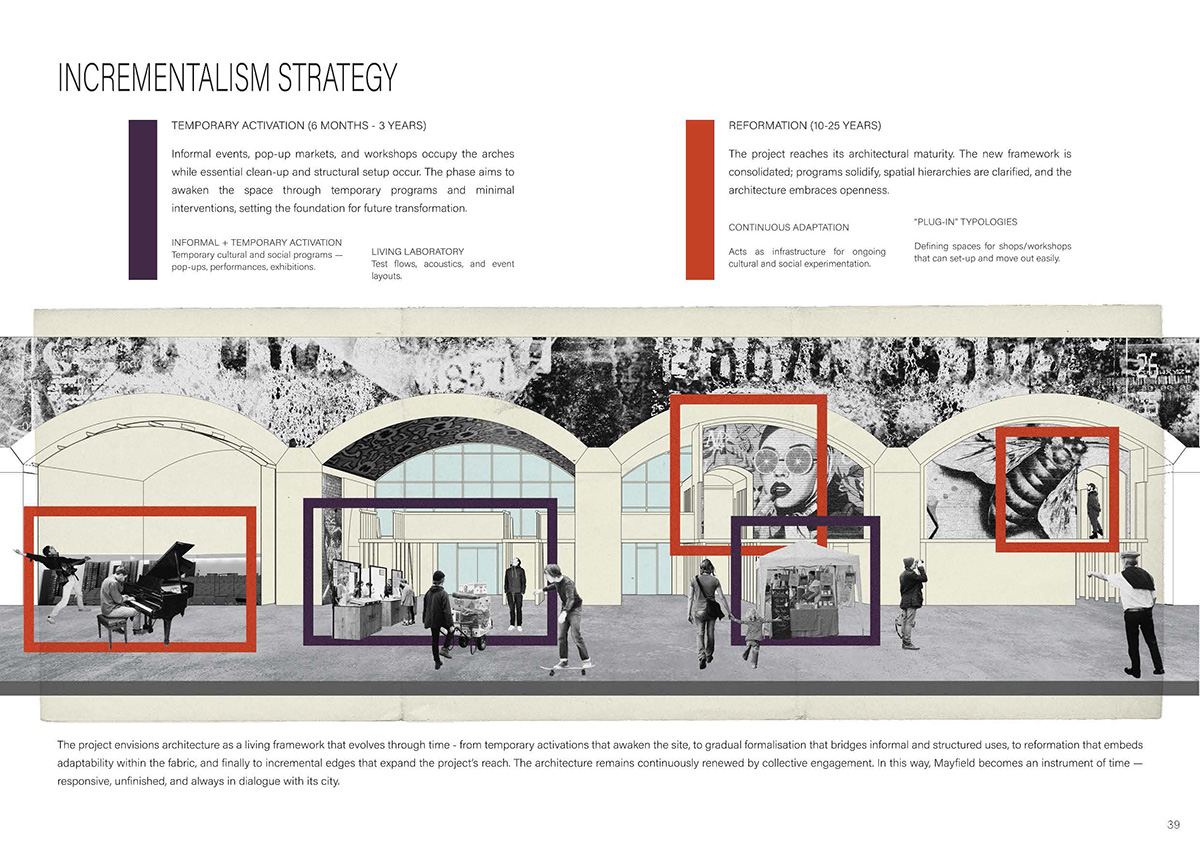
Students are asked to consider their proposal across multiple timeframes using a common framework defined by the atelier :

  • 0 – 6 months : In-situ practice / intervention timeframe
  • 6 months – 3 years : Meanwhile / worthwhile use
  • 3 – 10 years : Meanwhile / short term building
  • 10 – 25 years : Building state 1 (young building) / medium term building
  • 25 – 60 years : Building state 2 (established building)
  • 60 – 150 years : Building state 3 (long term, building reuse or building afterlife)
  • 150 years + : Future of the future
Architect in Studio: Resolution (AiSR)

Architect in Studio: Resolution (AiSR)

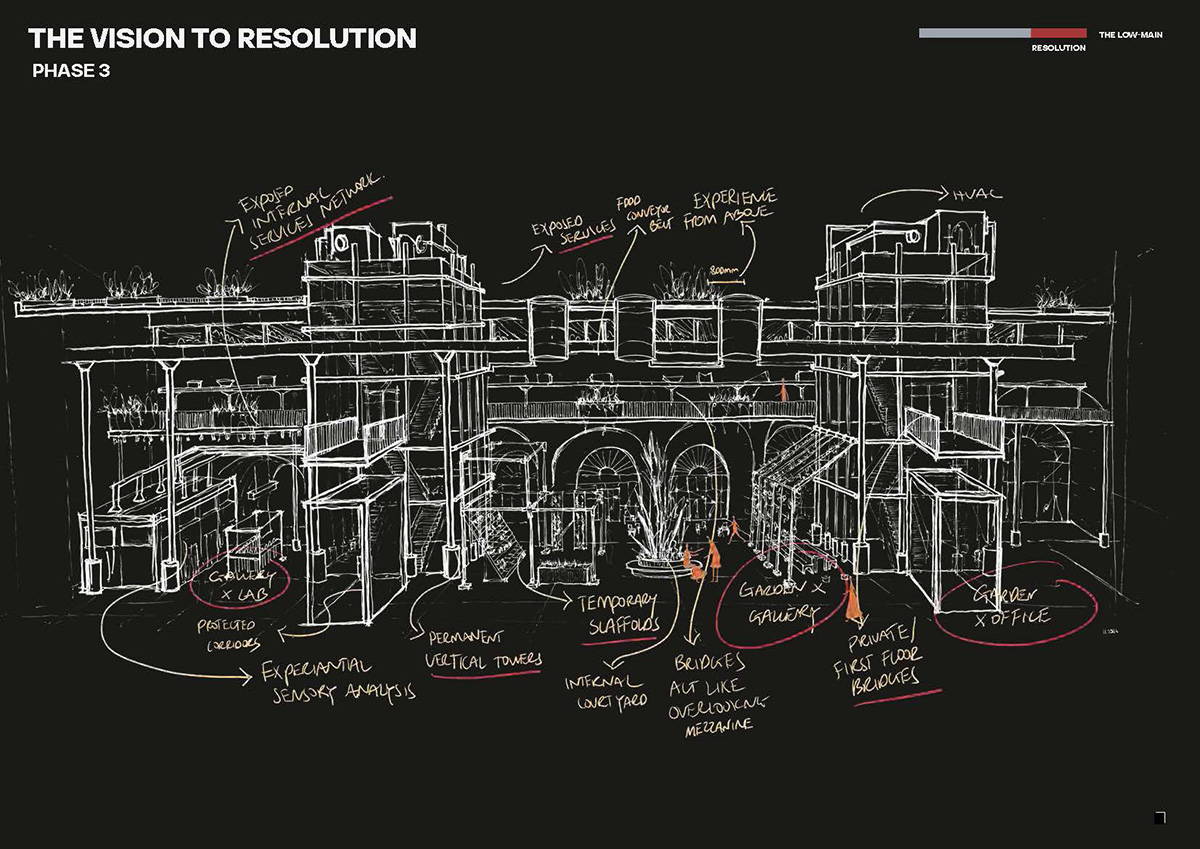
Using their strategic proposals from AiS:S, AiS:R asks students to delve deeper, considering the ethical, social and environmental implications of the detailed architectural resolution of their spaces for learning proposals. Students begin with a reflection on their previous proposals with regard to four key concepts:

  • Temporality, adaptability and incrementalism
  • Material biographies, affordances, (re)use and circularity
  • Assembly, craft and tradition
  • Ceremonies of (re)making

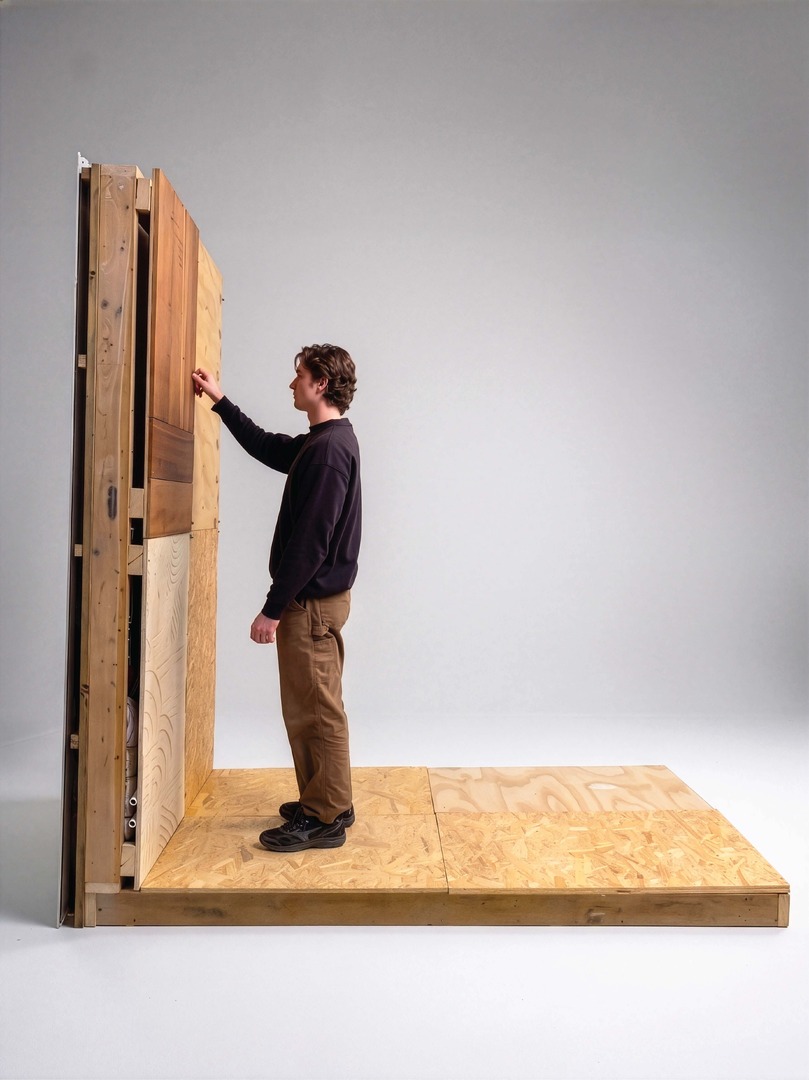
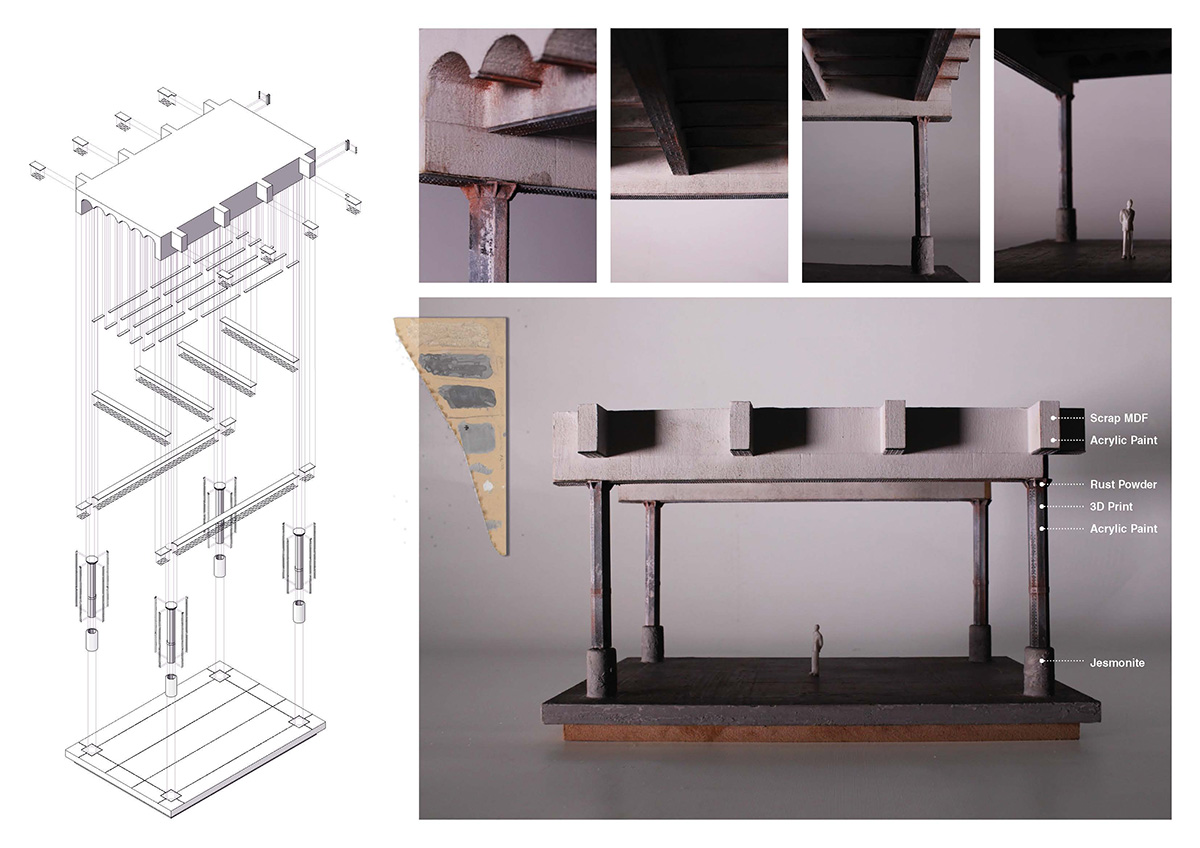
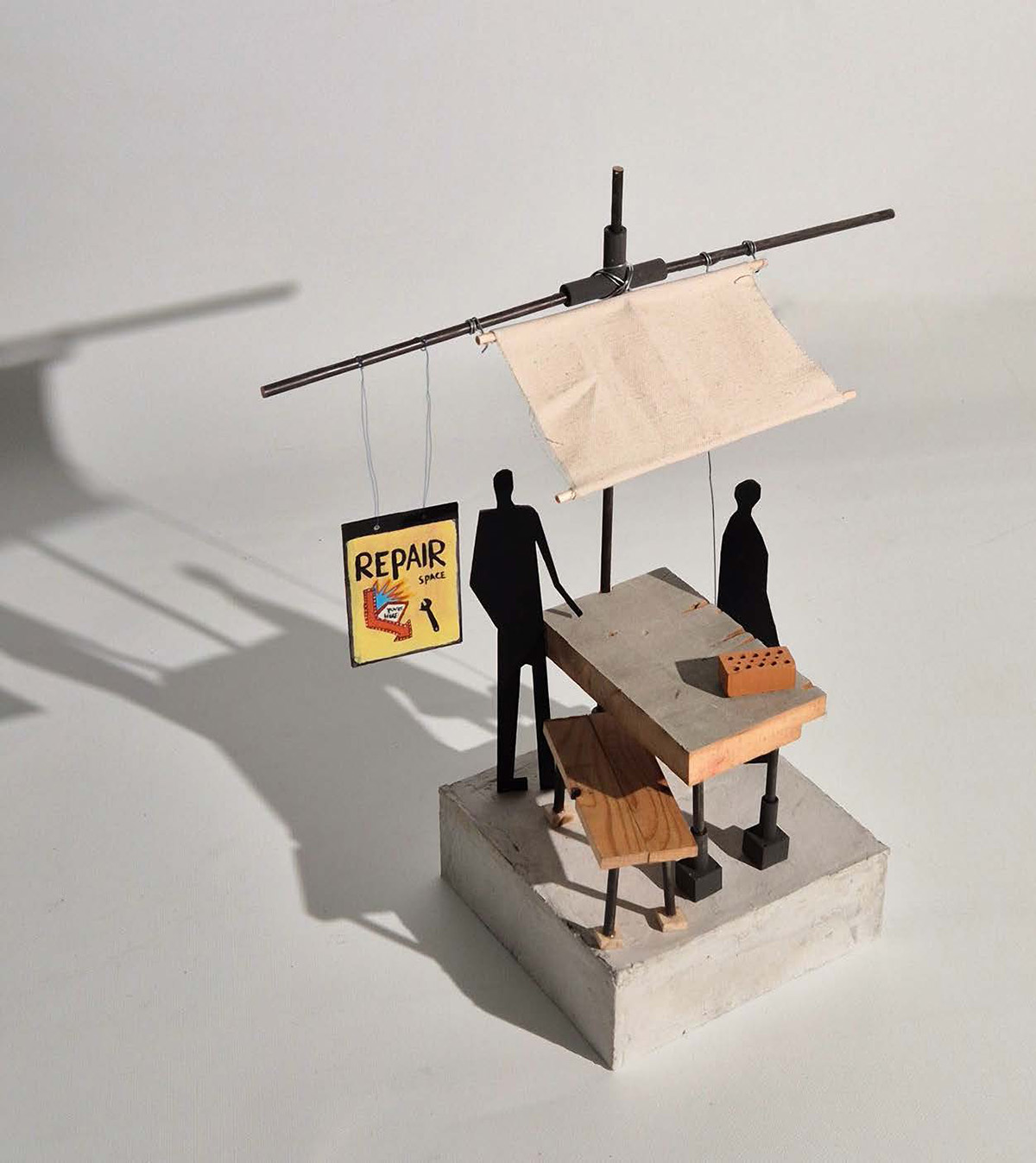
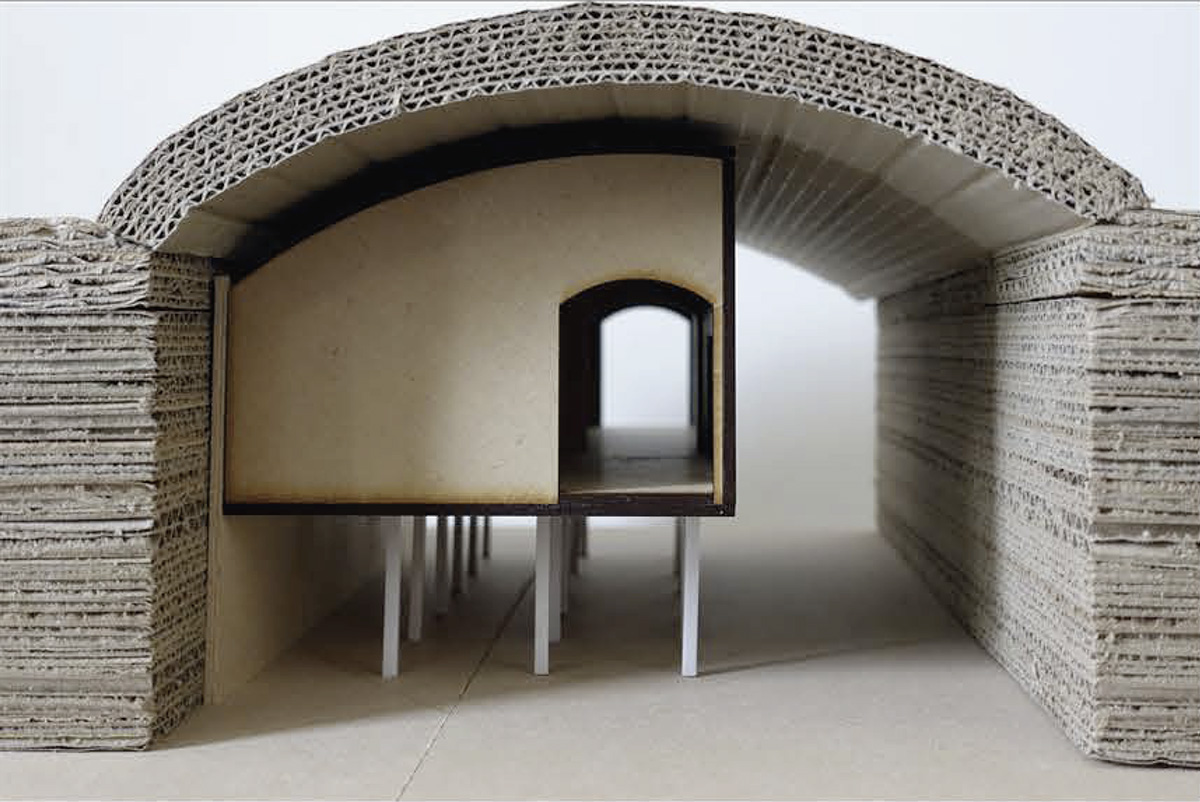
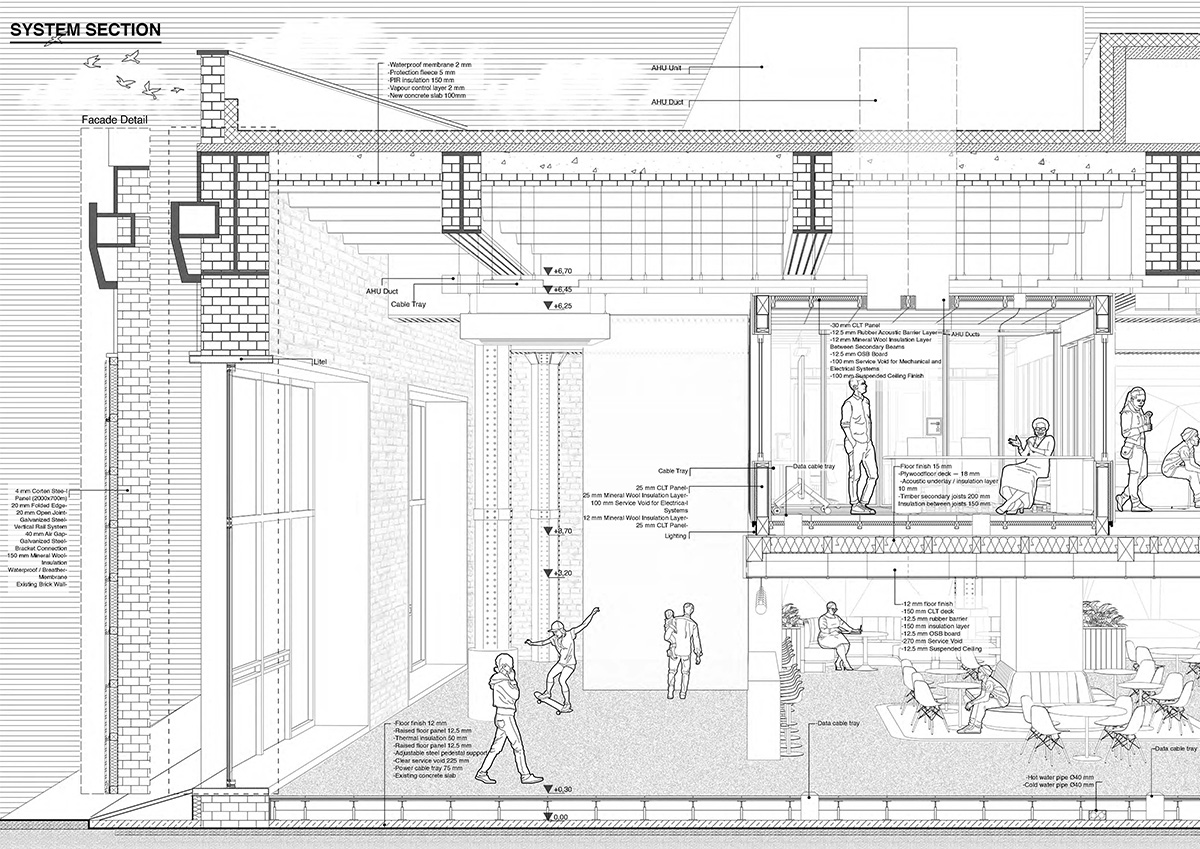
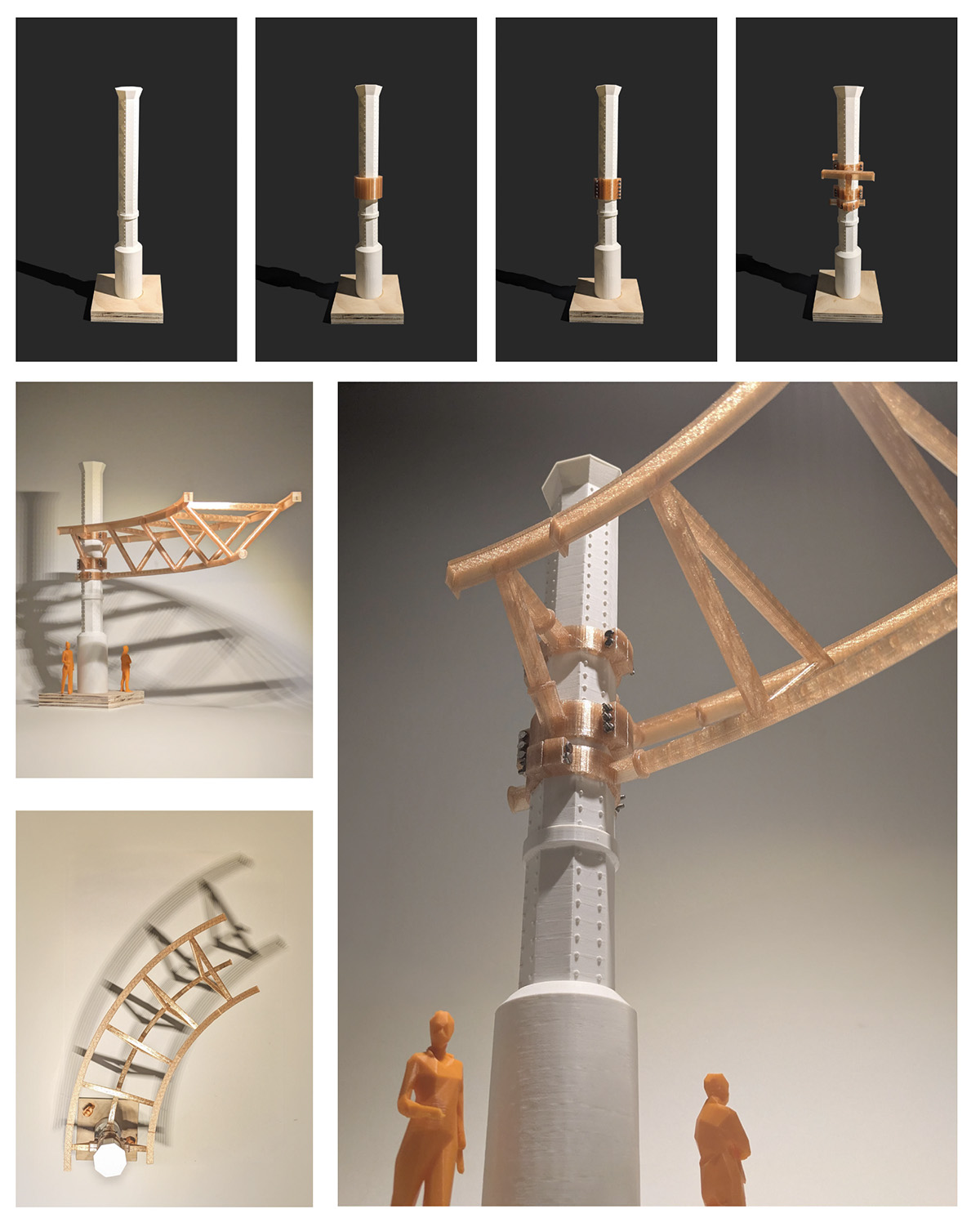
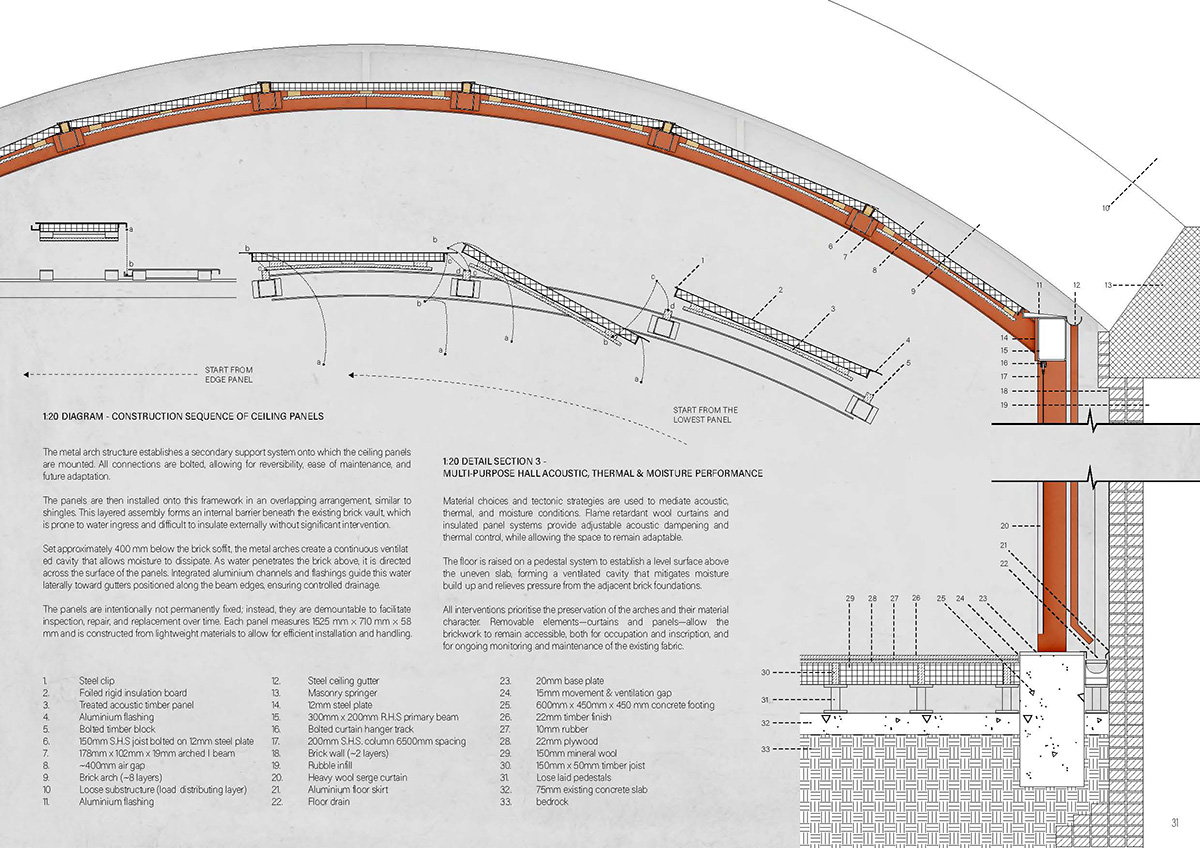
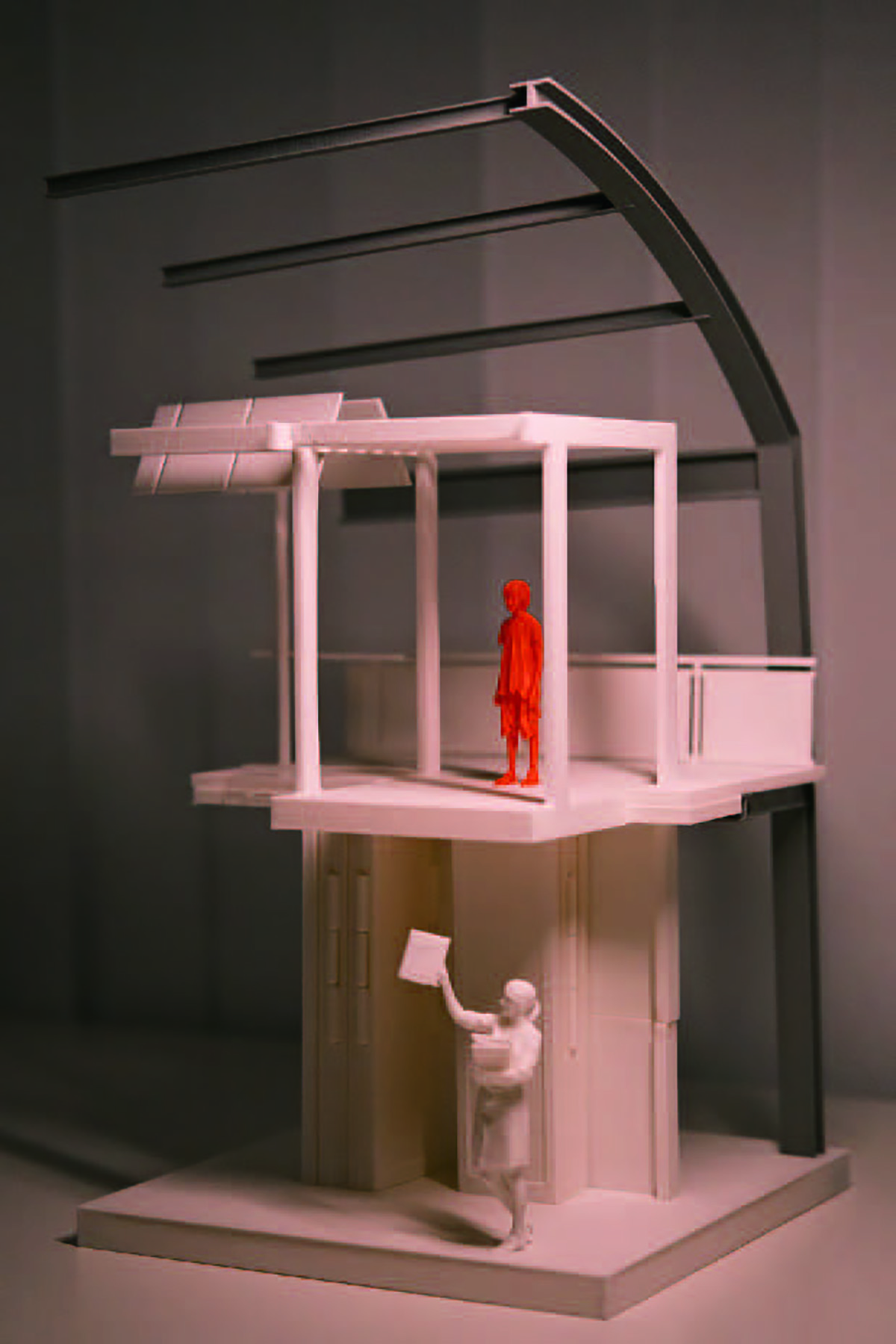
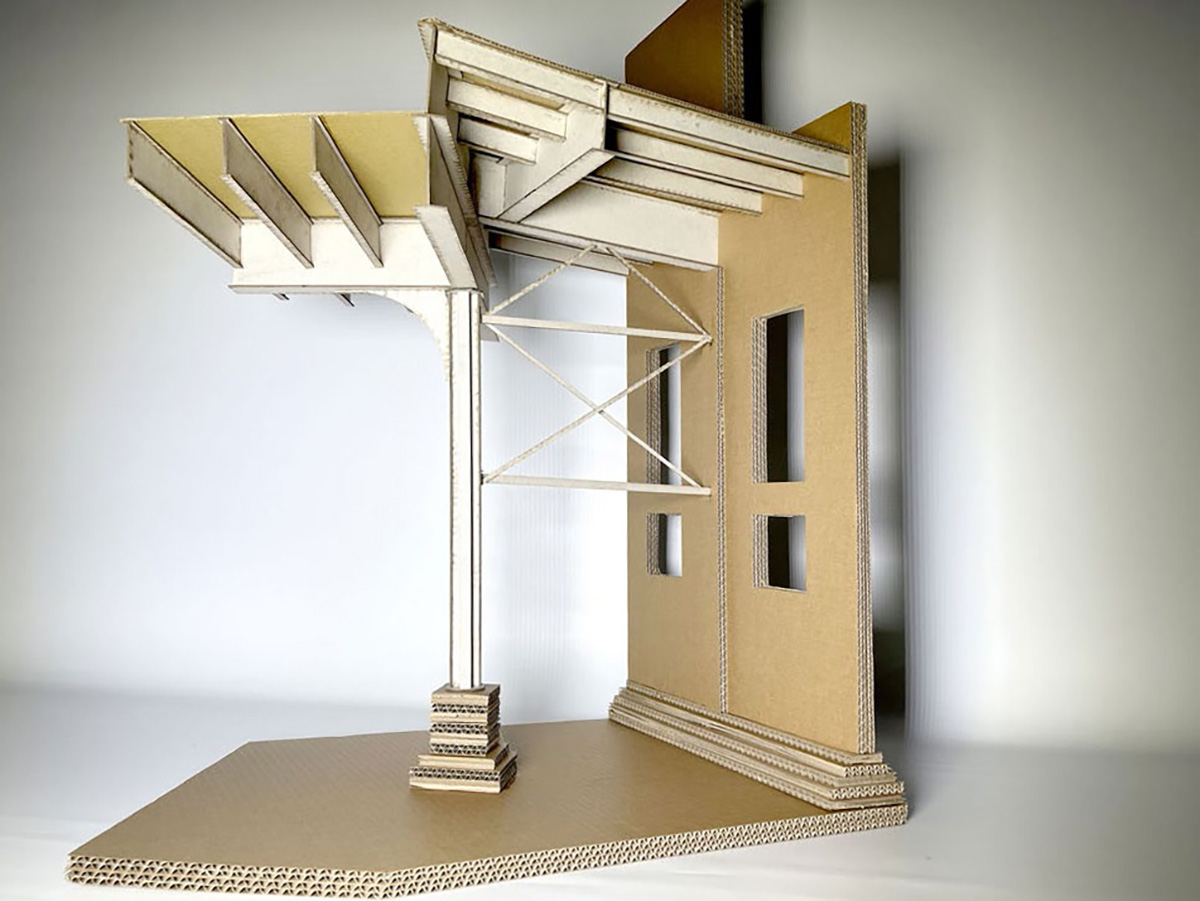
Across the semester students are asked to develop technically resolved building strategies which address key details, relationships and interdependencies of building elements, considering how they become motive factors in the resolution of their detailed design. Students are also asked to produce a study of a 'FLUX detail' : a model or a drawing which explores how the detailed design of their building's envelope responds to the needs of the citizens and building users.

Students

MArch2

Neila Cuvilliers, Hannah Donaldson, Harley Freeman, Jai Ghataore, Adam Hartopp, Lucy Hollins, Sophie Jackson, Matthew Kerschoff, Yanwei Lew, Zofia Malek, Ceri Mellor, Chung Hei Mok, Lara Nasser Mohammed Al Salloum, Michael Ngan, Tiree Niven, Laura Popa, Frances Reynolds, Caoimhe Sweeney, Jane Jia En Tiew, Xitao Wang, Nathan Woods