
The MA in Architecture and Urbanism positions architecture at the centre of urban transformation. It invites students to confront the cultural, economic, and environmental forces shaping contemporary cities, and to operate within them critically and creatively. In this context, architecture is not an isolated discipline but an active, evolving practice one that engages real-world conditions through design experimentation and practice-oriented research.

Across the first two trimesters, theory and design Modules operate in dialogue. Cities and Urbanism: Ideologies and Futures frames architecture and urbanism within wider social, political, and technological processes. Research Methodologies and Events equips students with a range of research tools, enabling them to construct and articulate their own positions within current urban debates.

At the core of the programme are the Urban Labs, the primary site of investigation and production. Structured as a multi-scale process, the studio moves from city-scale analysis to neighbourhood strategies, and ultimately to architectural intervention. Projects unfold through this progression, testing how ideas evolve, collide, and transform across scales. The studio becomes a space to question coherence, to negotiate complexity, and to explore the implications of design decisions within dynamic urban systems.

Working in Manchester, students engage the city as more than a site: it becomes an active urban laboratory. A diverse international cohort collaborates with academics and practitioners including architects, urban planners, landscape designers, and environmental consultants, within three thematic labs: Contextual Urbanism, Prototype Urbanism, and Dwelling & Urbanism.

The projects presented here are currently a work-in-progress as one year master will continue into a third trimester. The result of this collective process brings together rigorous research and speculative imagination, demonstrating how the intersection of theory and design can generate new forms of urban thinking, more inclusive, more resilient, and oriented towards possible futures.

Consultants to Urban Laboratories

Dwelling and Urbanism:
Tom Mitchell. Partner at Metropolitan Workshop, Dublin and London

Prototype Urbanism:
Alexander Clark Geddes. Director at Geddes Architects, London

Landscape and Urbanism:
Danny Crump. Director of Urbanism at Layer Studio, London

Contextual Urbanism:
Jonathan Kendall. Partner/Director of Urban Design at Fletcher Priest Architects, London

Full list of contributors

Current work

Contextualism

Contextual Urbanism Laboratory

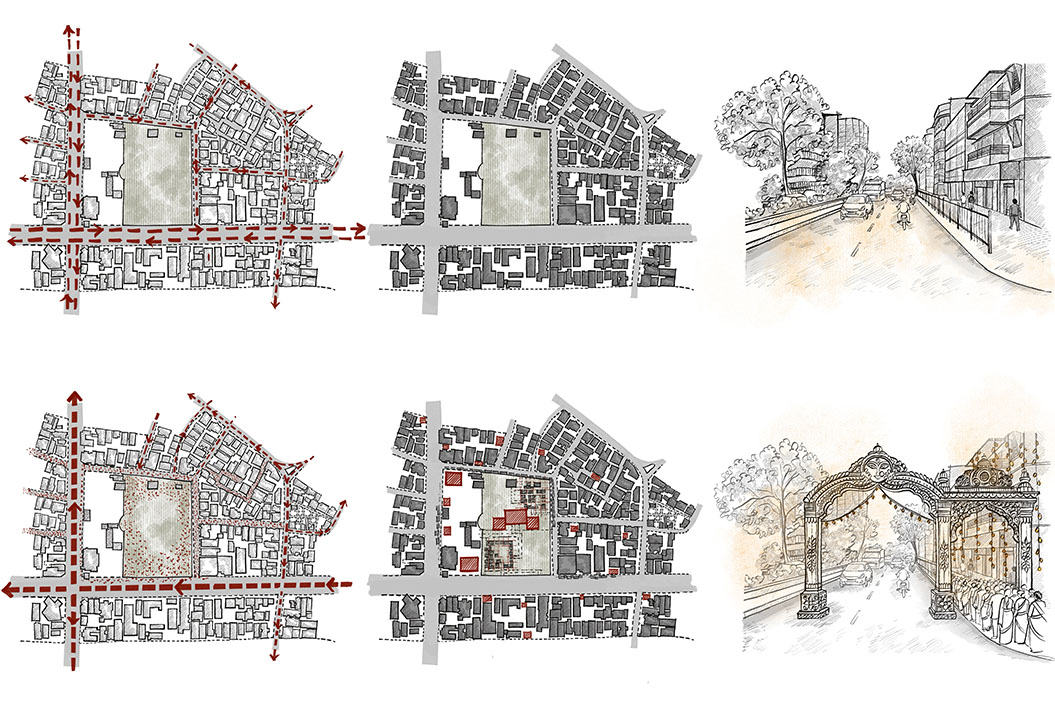
The Contextual Urbanism Laboratory is devoted to thinking about and designing urban proposals that operate as links between a city’s heritage and its future. This is achieved by examining the past and defining future morphologies that, while rooted in history, propose material urban expressions of possible cultural evolutions. This approach supports the creation of built environments that foster places which are more inclusive, enduring, climate‑aware, and authentic.

The Lab places strong emphasis on methodologies for collecting, presenting, and analysing information. It explores urban patterns—both tangible and intangible—and their implications for inhabitants through the generation and interpretation of data, as well as the development of strategies that support the formulation of arguments and design decisions. These processes inform the creation of forms, systems, and infrastructures that can better serve cities and their communities.

If context is defined as “the situation within which something exists or happens, and that can help explain it”, then within this Lab it is crucial to develop an understanding of historical context (to understand origins and heritage), the present context (to understand existing conditions), and the speculation of future contexts, so that a sense of continuity can be established.

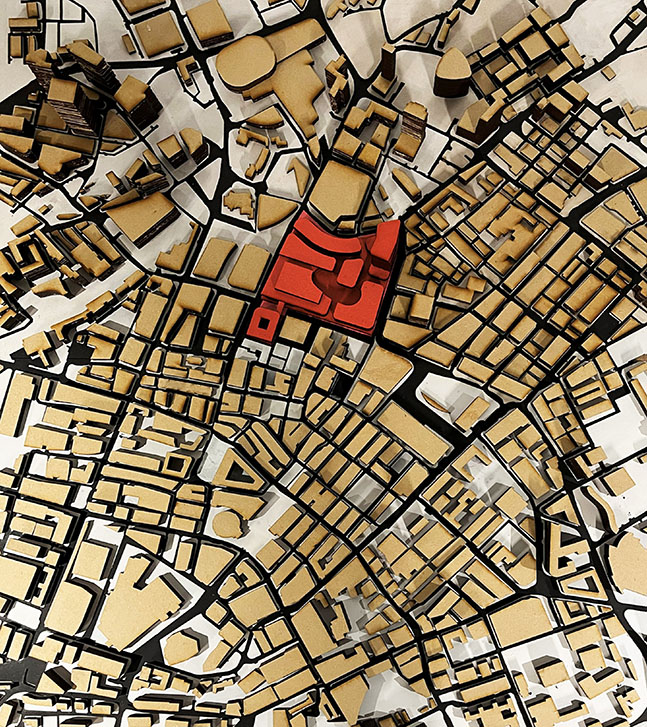
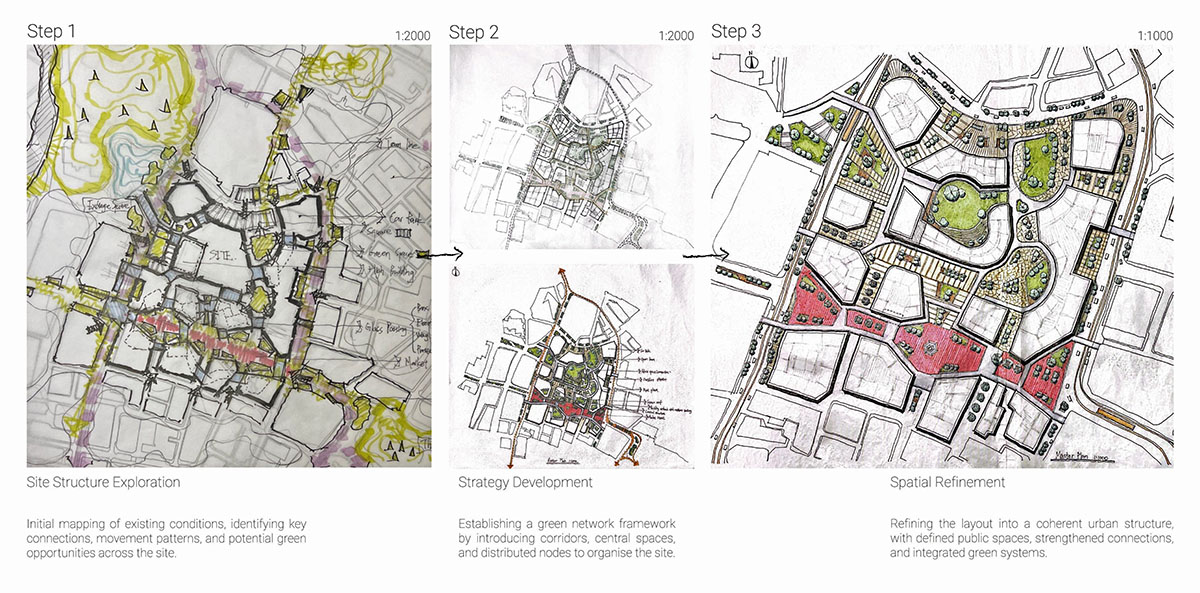
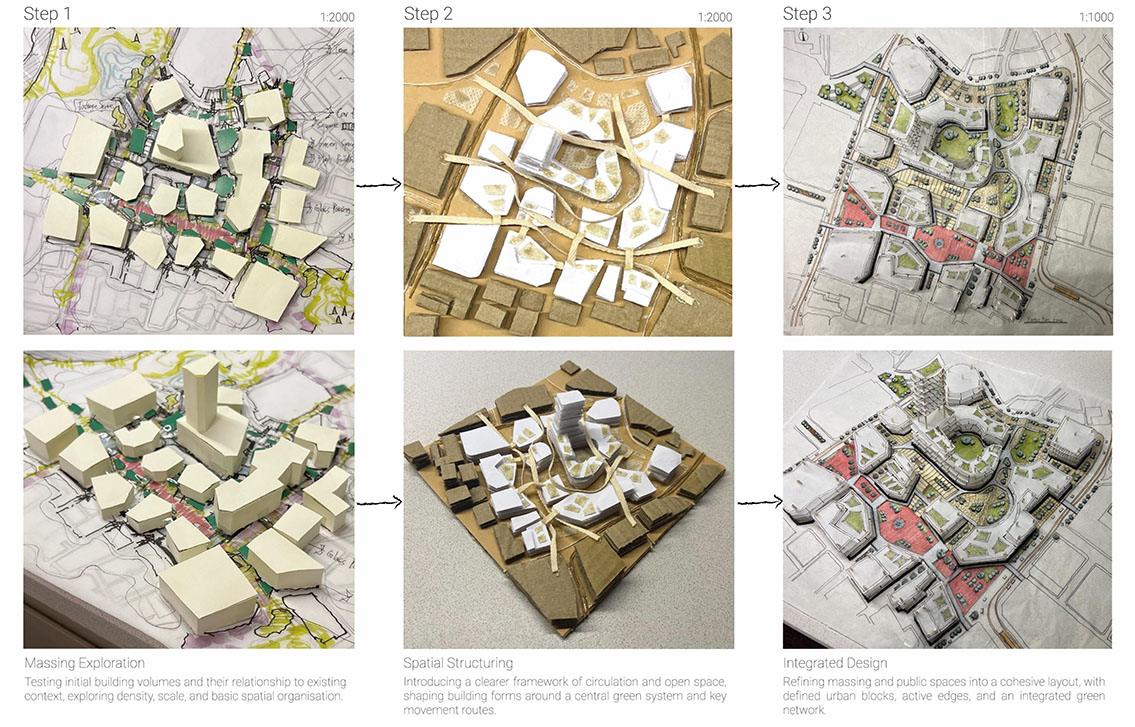
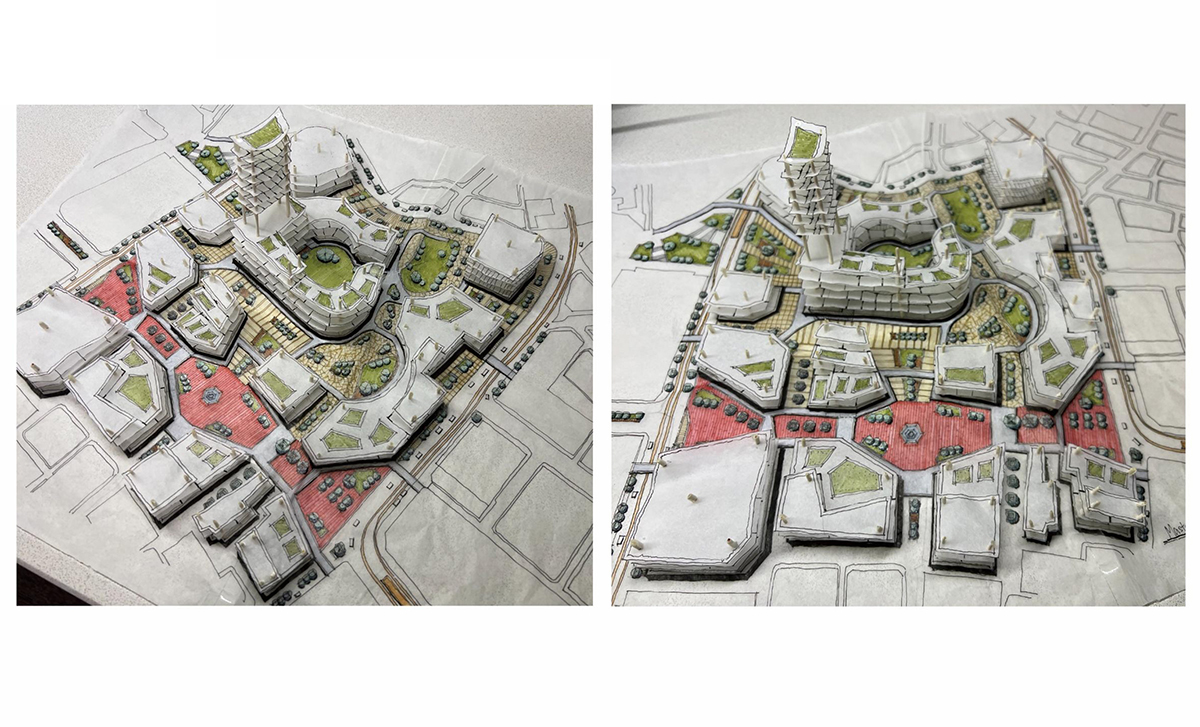
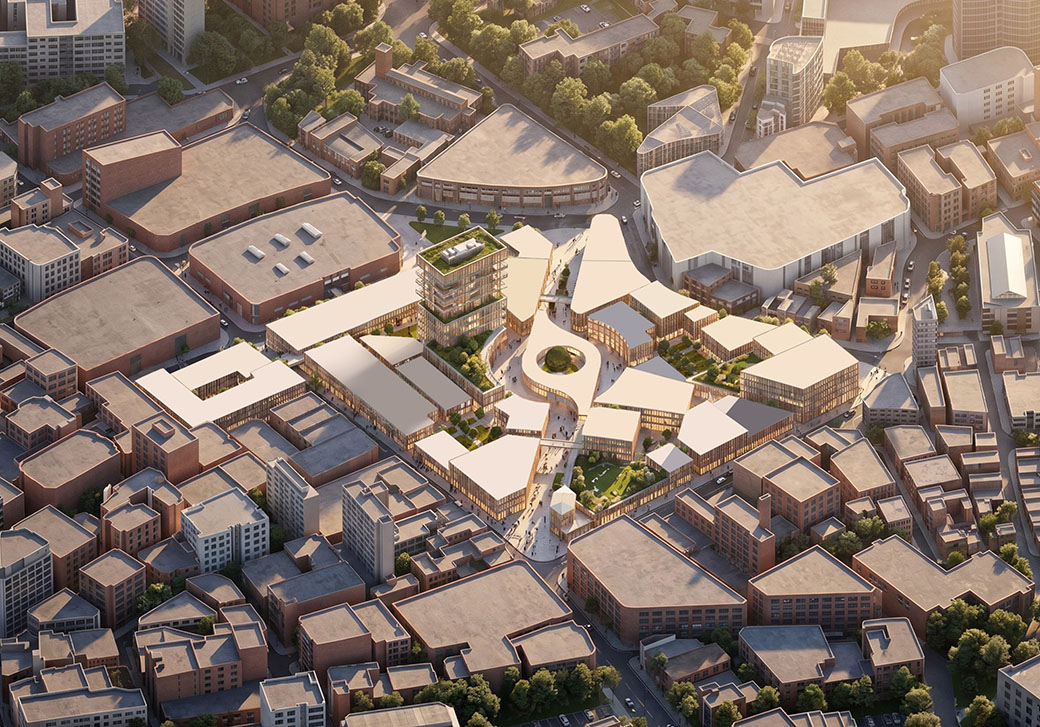
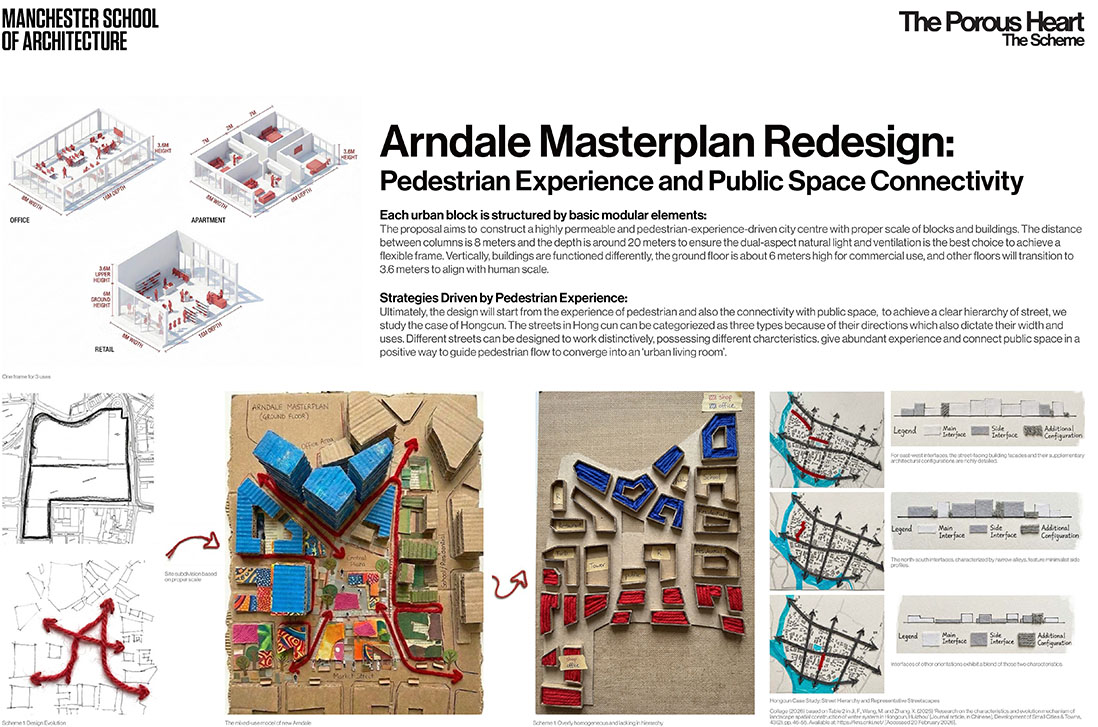
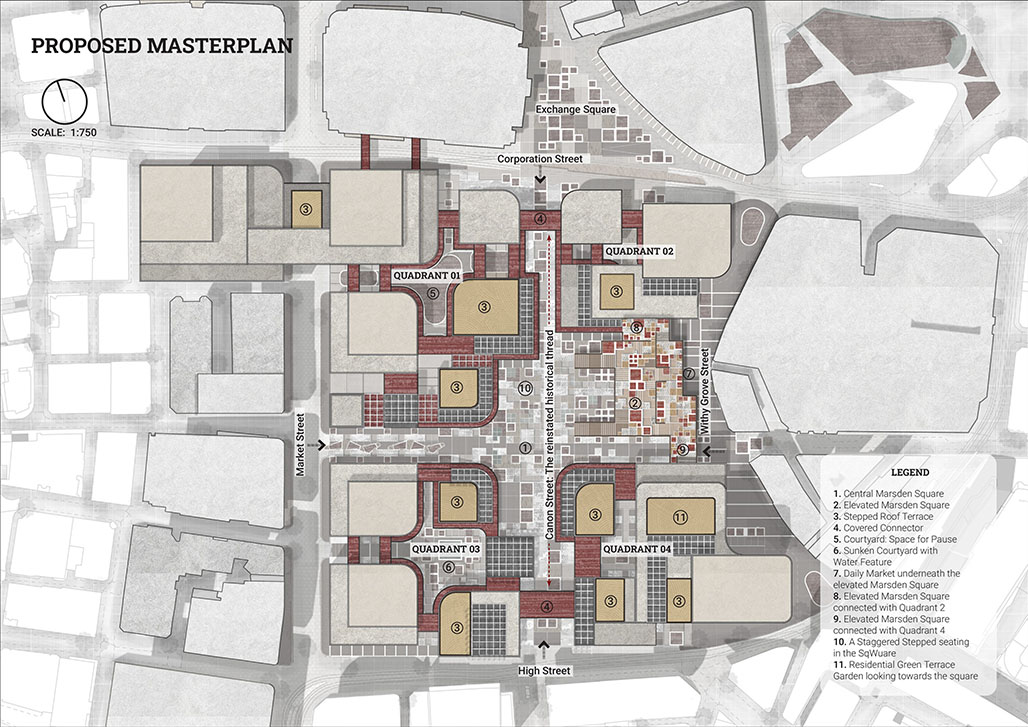
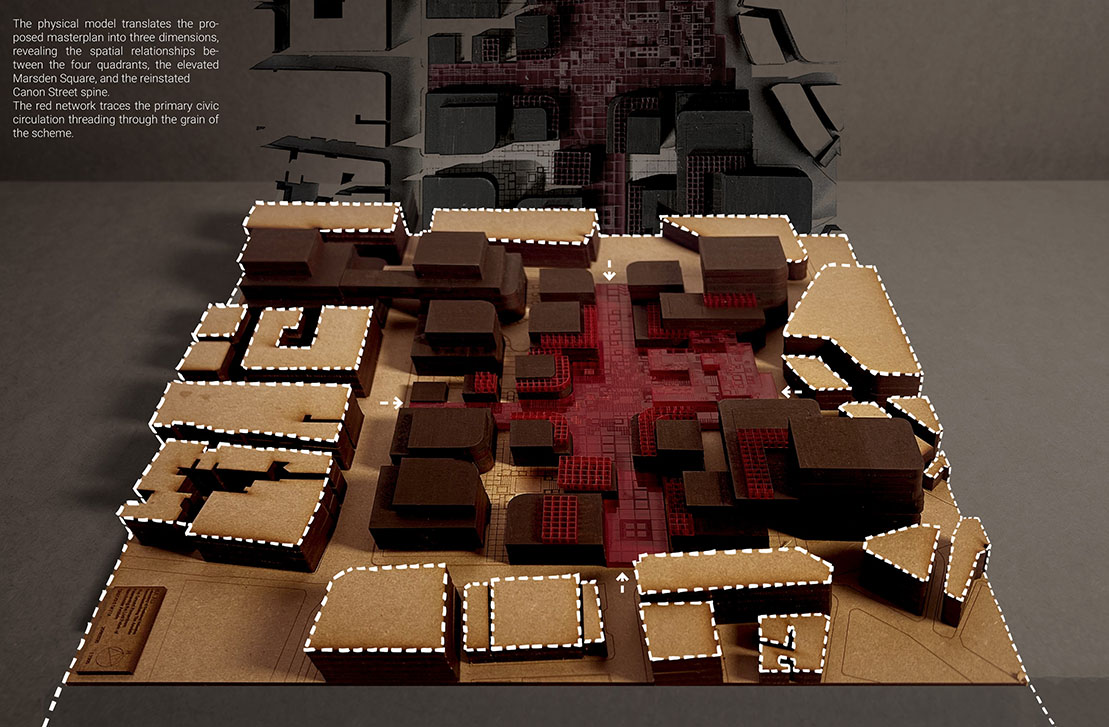
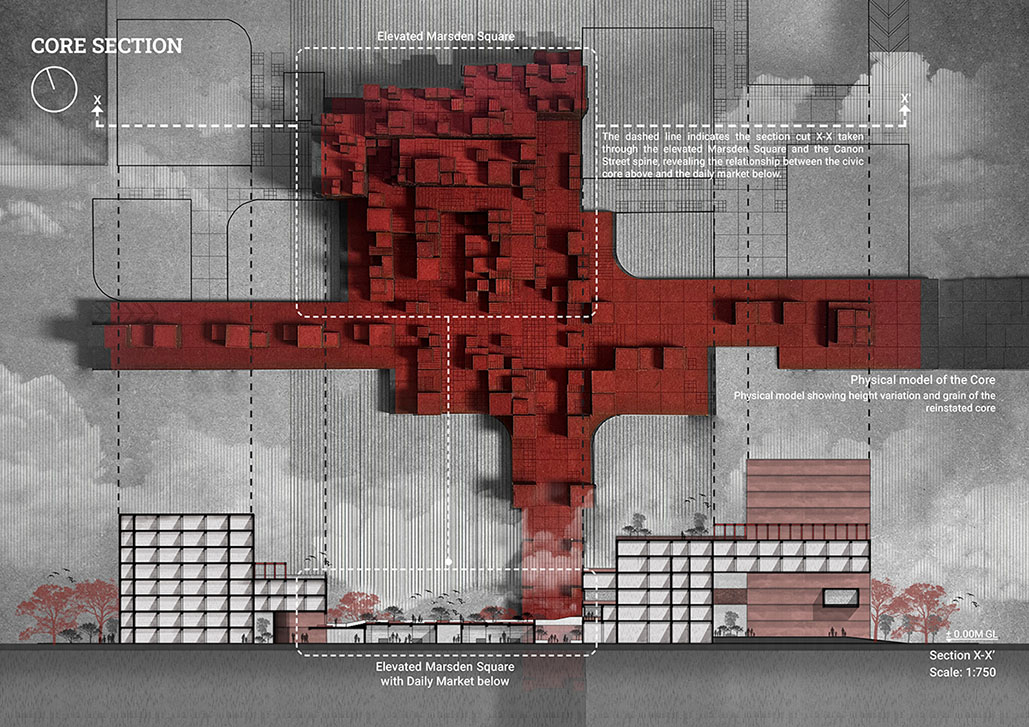
This year, the Lab investigates the Arndale Shopping Centre, speculating on what kind of urban fabric and place could be enacted there, and proposing a future context for Manchester’s city centre.

Tutor list: Consultants to Urban Laboratories
  • Jonathan Kendall. Urban Design Partner at Fletcher Priest Architect / Associate Professor, The Bartlett School of Architecture
Contributors to the Urban Laboratorie
  • Andrew Carroll, UK Director at Chapman Taylor
  • Dr Yiping Dong, Associate Professor of Architectural History, XJTLU and Vice President of ACHS (Association of Critical Heritage Studies)
  • Rudolfs Dainis Smits, Dean of the Faculty of Architecture, Riseba University, Riga
  • Dr Efe Duyan, Lecturer, Faculty of Architecture, Riseba University, Riga
Dwelling

Dwelling and Urbanism Urban Laboratory

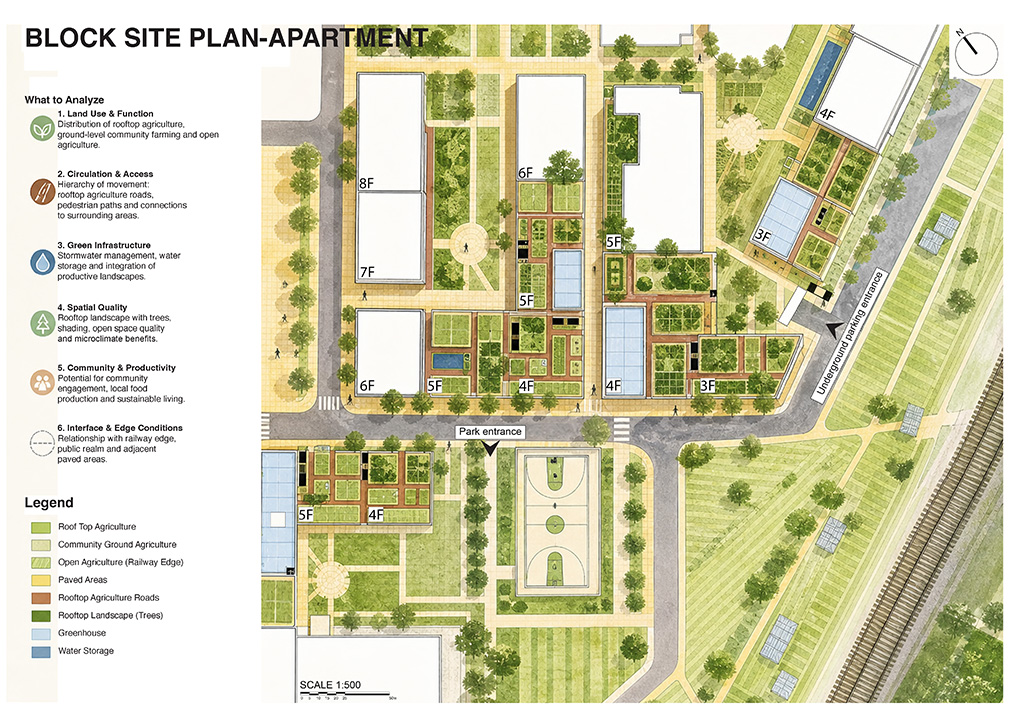
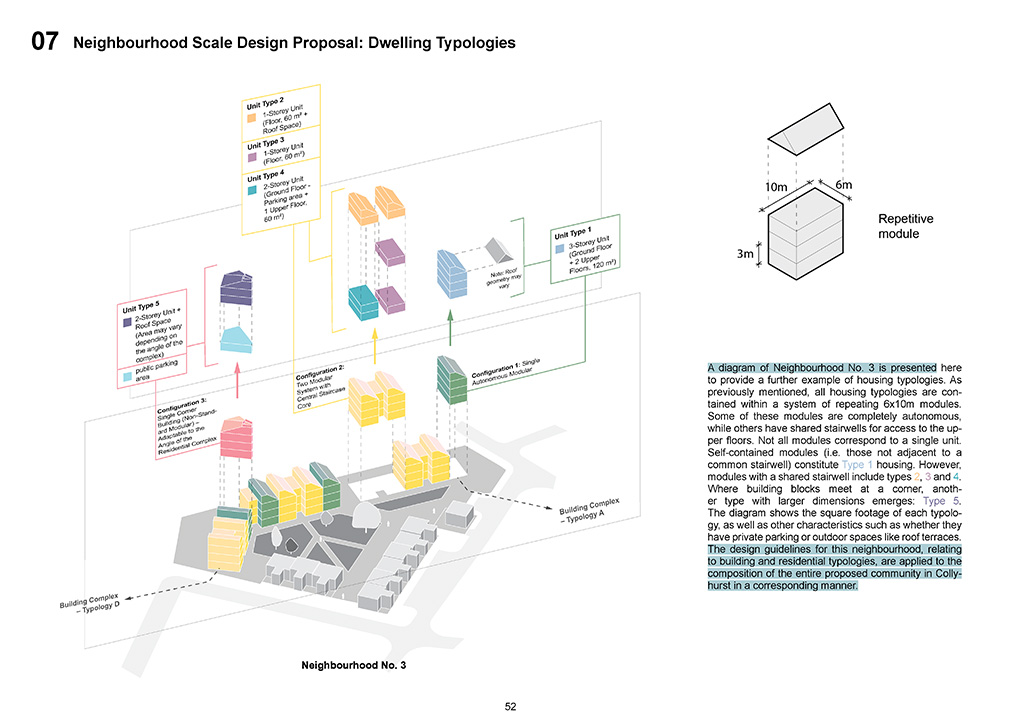
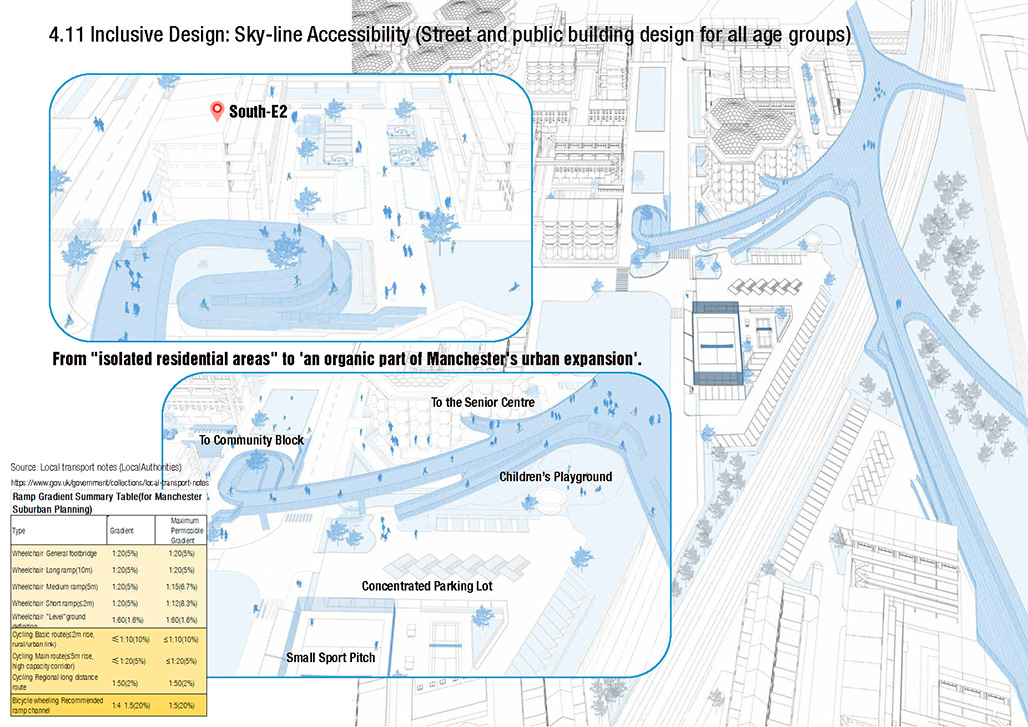
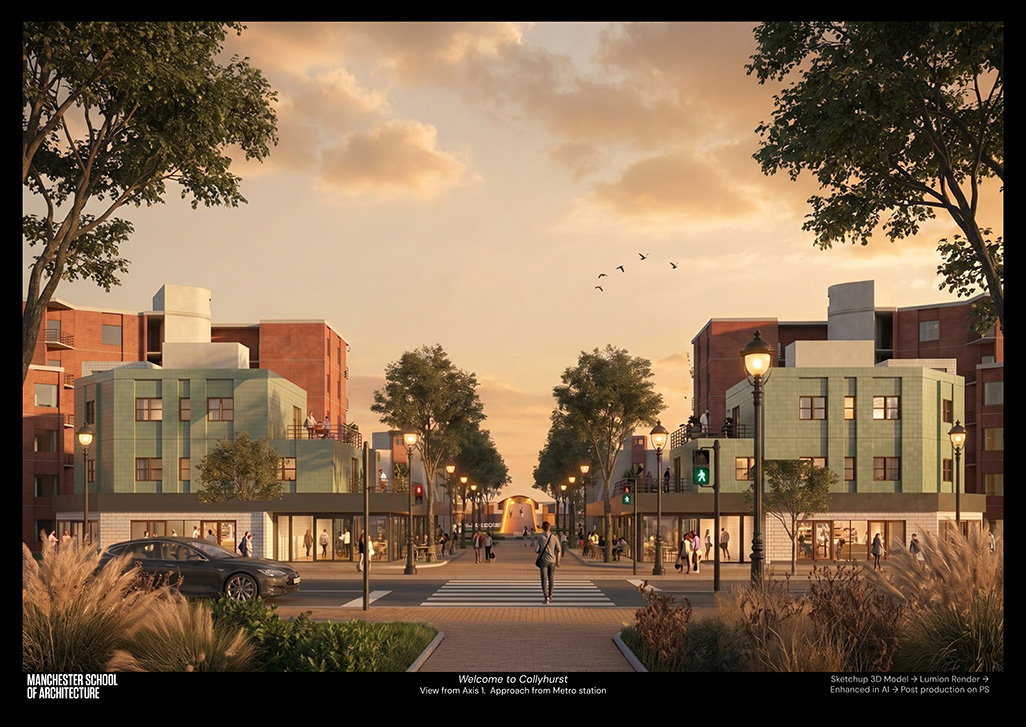
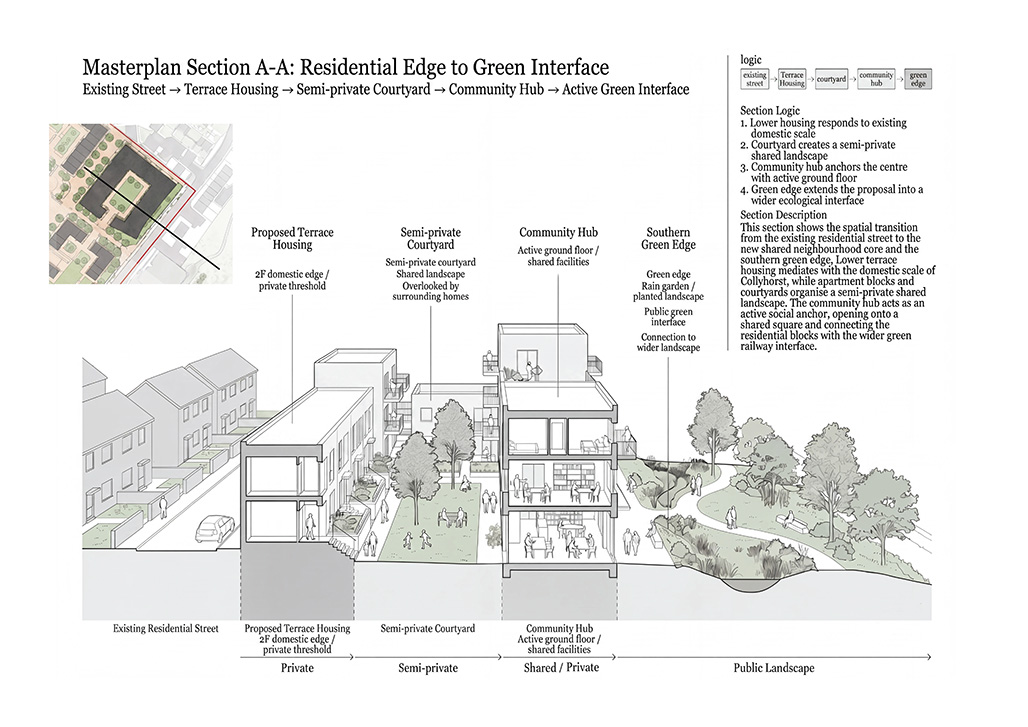
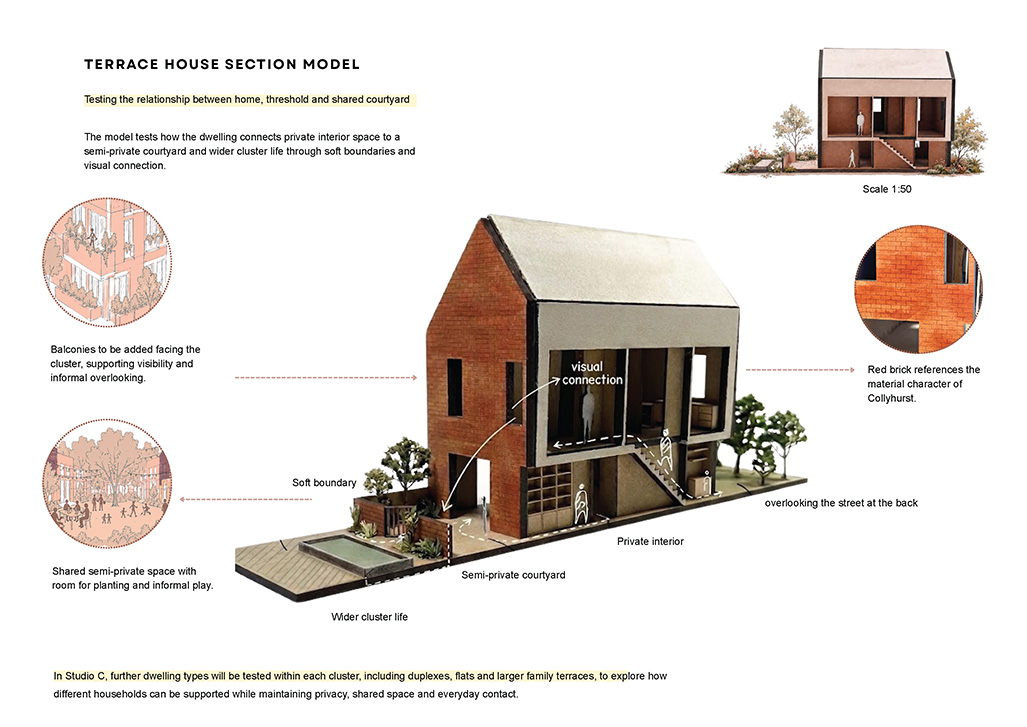
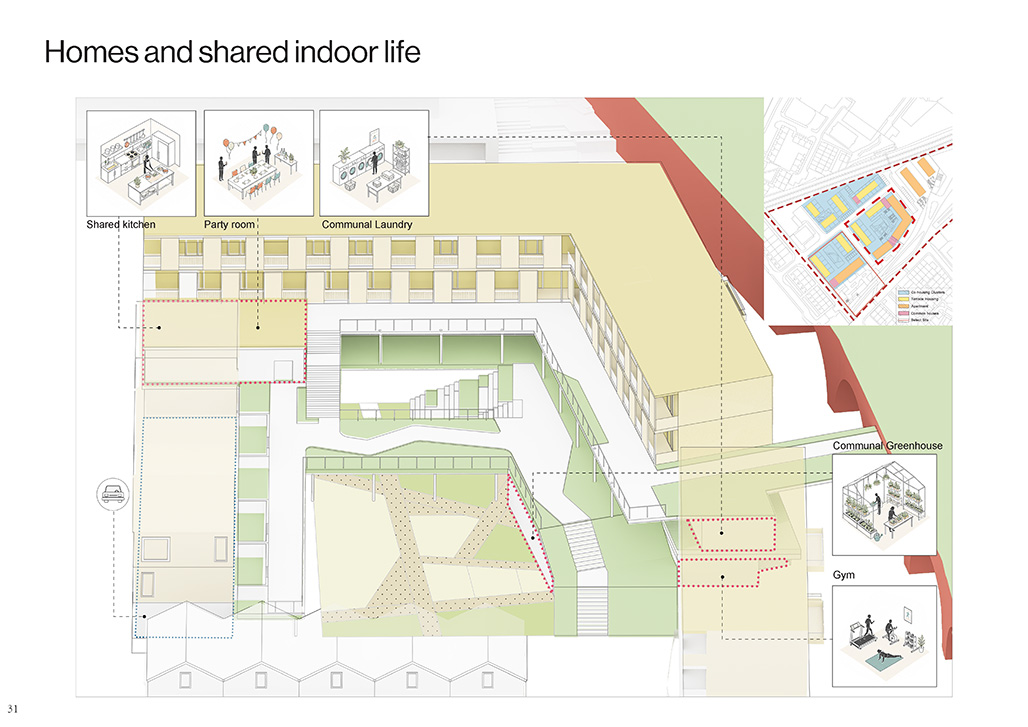
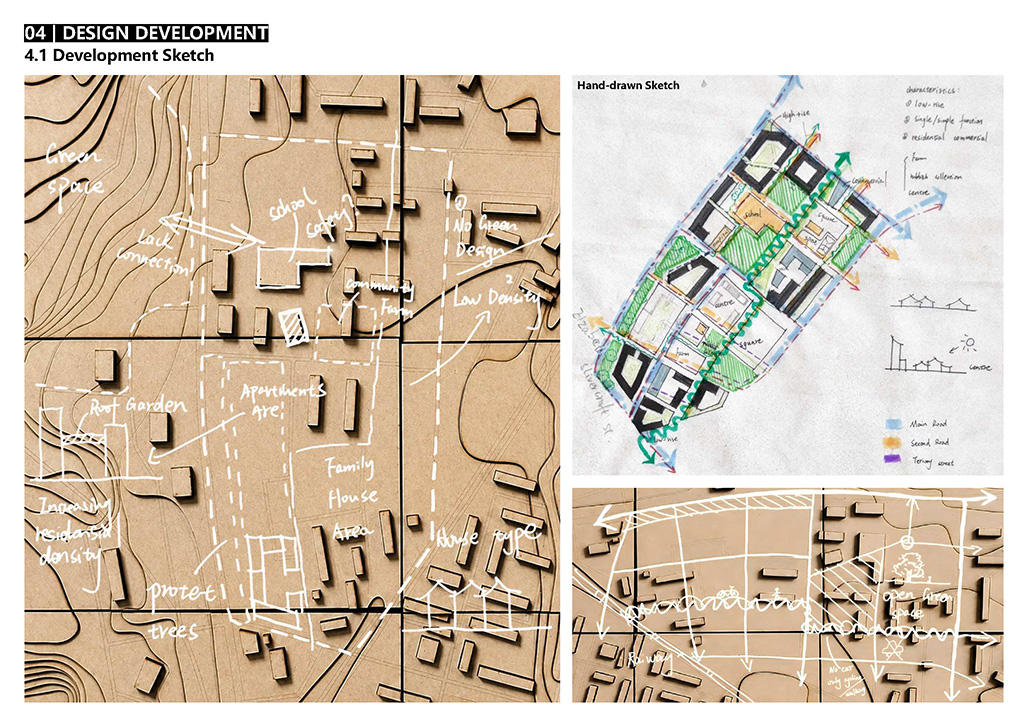
Dwelling and Urbanism Urban Laboratory was founded in 2023, to enable students to undertake a year-long, studio-based design and research project exploring longstanding challenges for housing quality in the United Kingdom and corresponding opportunities for housing innovation. Academic practice within Dwelling and Urbanism is currently centred on Suburbia Reimagined, an extended project that supports students to develop design strategies for happier, healthier and more affordable suburban neighbourhoods in Manchester’s suburbs. In 2025, our studio considers how best to achieve suburban intensification within South Collyhurst and Collyhurst Village through the development of a design code and related forms of community-led design governance, to better manage tensions between the interests of existing, long-term residents and new residents in need of an affordable home within the Victoria North masterplan and Manchester’s newly designated New Town. Students are encouraged to develop design theses that critically engage with emerging approaches to design governance for housing quality; reflect on exemplars of housing design and practice that address recognised housing issues (e.g. healthy aging; suburban intensification; custom-build and co-housing); and situate their proposition in relation to the theoretically contested and intellectually stimulating concepts of suburbia, suburbanisation and suburban dwelling.

Tutor list:

Consultants to Urban Laboratories

  • Tom Mitchell. Partner at Metropolitan Workshop, Dublin and London

Contributors to Urban Laboratories

  • Lucia Alonso (Royal College of Art, London)
  • Dr. Philip O'Brien (MMU)
  • Dr. Mark Hammond (MSA)
  • Ryan McCloskey (Associate, Metropolitan Workshop, London)
  • Dr Juliet Ye (MSA)
  • Rhia Monaghan (Manchester City Council)
  • Feby Susan Philip (Urban Designer, ADAM Architecture, Winchester)
  • Daniel Dyer (Associate, MawsonKerr, Leeds)
Cities and Urbanism: Ideologies and Futures

Cities and Urbanism: Ideologies and Futures

Cities and Urbanism: Ideologies and Futures addresses architecture, landscape architecture, and urban design and planning as practices shaped by wider social, political, and technological processes. It considers how design in the city operates beyond the limits of its immediate site, producing broader implications that bring into question the ethical position of urban practice.

The module introduces key urban themes, challenges, and responses from the eighteenth century to the present and beyond. It provides both a broad historical grounding and a more focused engagement with the relationship between social, political, and technological change and the development of cities. In doing so, it moves beyond an understanding of the city in terms of aesthetics or iconic objects, instead situating urbanism within a wider set of conditions that shape how cities are produced and experienced.

Students engage with a range of urban artefacts as a way of examining these conditions and their influence on the contemporary built environment. The course develops the capacity to evaluate how past and present forms of design and development continue to inform urban life today.

Alongside this, students are introduced to different modes of communication and representation, allowing them to present their analysis through a critical lens and to articulate informed positions on the future of cities.

Tutor List:

Prototype

Prototype Urbanism Lab

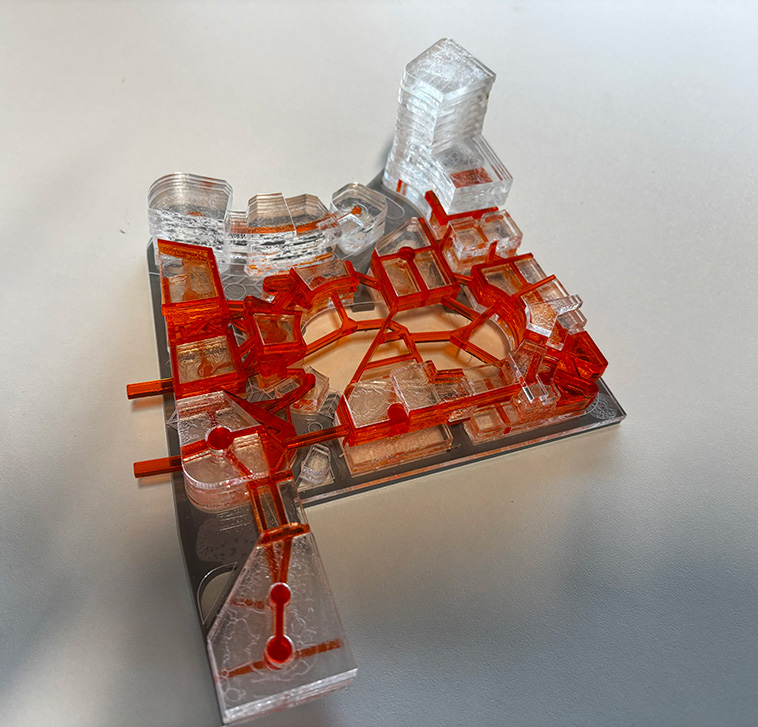
The Prototype Urbanism Lab (founded in 2023) connects theory and practice to shape future urbanism. The lab’s mission is to provide valuable insights into practices that will influence urban futures, through both theoretical frameworks and innovative digital advances. With support from the teaching team, we aim to enhance our lab members' skills and create an environment in which they can conduct interdisciplinary research and experiment with innovative solutions. Students in the Prototype Lab are supported with a scientific background that allows them to explore the project's constraints and opportunities. Given this, we implement our design solutions in the Old Trafford area surrounding the stadium, a place of significant international and historical importance.

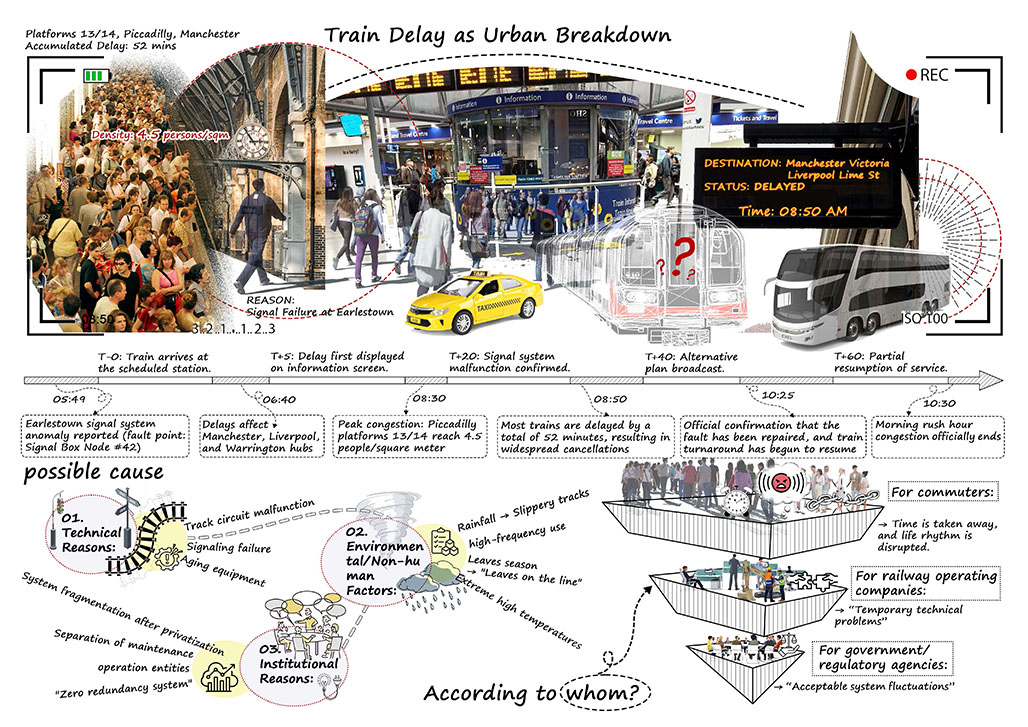
Recent trends in computational AI and related digital advancements have significantly influenced architecture and urbanism. Due to current market forces, young professionals are refining their skills to stay competitive and maintain employability. Moreover, the urbanism and architectural landscape are transforming, given the opportunities and power that advanced digitalisation provides. However, the way we implement architectural and urban processes shapes the appearance of cities and the experiences of those who live in them. For example, we may assume that smart cities will become highly digitised, yet truly smart cities must be liveable in a way they enhance city living.

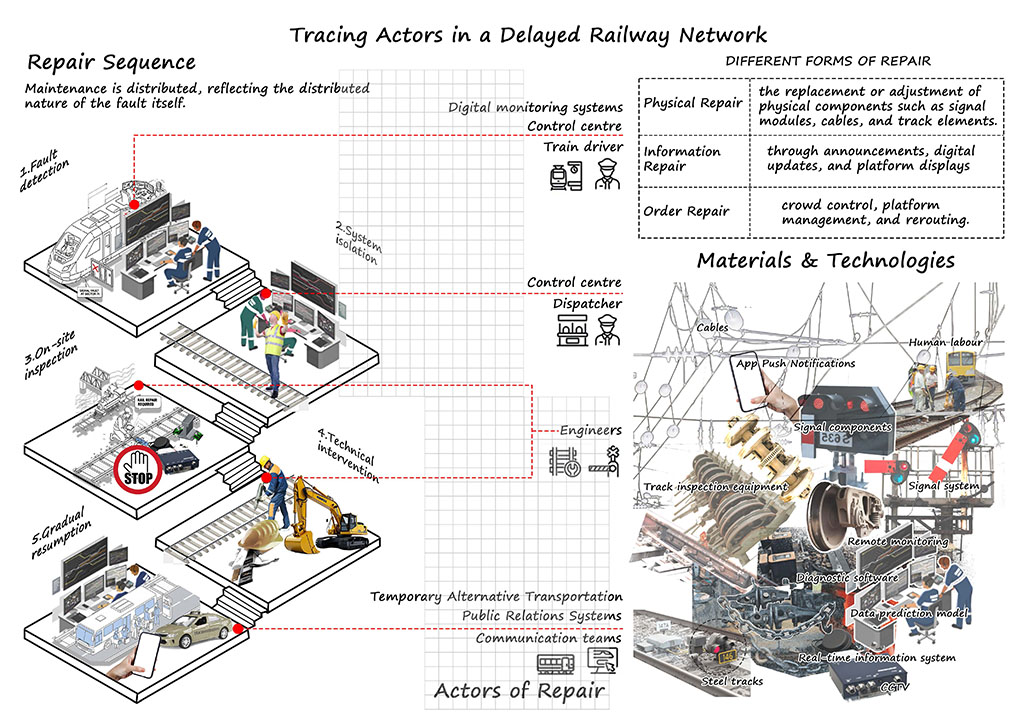
This academic interdisciplinary approach is unique in the Prototype lab, encouraging a broad range of research methods that extend beyond architecture and urbanism to include policy design, urban engineering, speculative design, serious games theory, governance, and other fields. Our goal remains on true smartness (liveability lenses) and how to transform urbanism through emerging digital technologies. This focus is supported by the lab lead's published work on truly smart cities and engineering, as well as funded research from the Liveable Cities project (EPSRC), Caring-with Cities (British Academy), and additional EPSRC-funded research.

Tutor list:

Consultants to Urban Laboratories

  • Alexander Clark Geddes. Director at Geddes Architects, London

Contributors to Urban Laboratories

  • PU collaborated with a Local stakeholder group from the Old Trafford area, whose identity, due to confidentiality, cannot be disclosed.
  • Bea Martin, Inscriptive Practice, MSA
  • Collaborative Online International Learning Programme (COIL) with the Southeast University, Chuan Wang, Associate Professor, Deputy Head of Architecture and Master’s Degree Supervisor at the School of Architecture, Southeast University.
Contributors to Urban Laboratories

Dwelling and Urbanism

  • Shawn Adams (HTA Design LLP)
  • Idil Akkuzu (International Research Fellowship, TUBITAK)
  • Laura Broderick (Building Centre)
  • Dr Aurélie Cauchard (MMU)
  • Alison Coutinho (Mace)
  • Evan Hall (HTA Design LLP)
  • Harry Hamberger (HTA Design LLP)
  • Dr. Mark Hammond (MSA)
  • Robert Hodgen (Metropolitan Workshop)
  • Josh Hymer (Lichfields UK)
  • Bea Martin (Inscriptive Practice, MSA)
  • Sandeep Balagangadharan Menon (MSA)
  • Rhia Monaghan (Manchester City Council)
  • Kwame Ohene-Adu (HTA Design LLP)
  • Kruti Patel (Metropolitan Workshop)
  • Kevin Radford (Mace)
  • Erica White (HTA Design LLP)
  • Joe Woolley (Urban Splash)

Prototype Urbanism

  • Lefteris Raviolos, Mayor of Karystos, Greece
  • Maria Verouhi Lemonia, Karystos City Deputy Mayor of Karystos
  • Vaggelis Alexandris, Deputy President of the Municipal Community of Karystos
  • Alexandros Ioannidis, Minister Plenipotentiary, Consul General of Greece in Manchester, UK
  • Alberto V Yebenes, Lecturer in Architecture and Adaptive Re-Use
  • Dr Simos Vamvakidis, Assistant Professor, Department of Architecture, University of Patras
  • Bea Martin, Inscriptive Practice, MSA
  • Perry Kulper, Professor, Taubman College of Architecture, Visiting Professor MSA

Landscape and Urbanism

  • Levi Rickell, Rochdale Development Agency
  • Gary Davies, Rochdale Development Agency
  • Lucy Sexton, Rochdale Development Agency
  • Antoni Serra, Head of Urban Planning, Sabadell City Council
  • Maite Morao, Sabadell City Council
  • Tomas de Castro, Sabadell City Council
  • Alvaro Clua, ETSAB, University of Barcelona
  • Vicenç Casals, Retired Professor of Urban Geography, University of Barcelona
  • Núria Carcolé and colleagues, Habitat3, Barcelona

Contextual Urbanism

  • Rudolfs Dainis Smits, Dean of the Faculty of Architecture, Riseba University, Riga (LV)
  • Dr Efe Duyan, Lecturer, Faculty of Architecture, Riseba University, Riga (LV)
  • Jonas Buechel, Lecturer in Sociology, Faculty of Architecture, Riseba University, Riga (LV)
  • Helena Gūtmane, Landscape Architect, Faculty of Architecture, Riseba University, Riga (LV)
  • Marc Geldof, Urban Planner, Faculty of Architecture, Riseba University, Riga (LV)
  • Dr Kaija-Luisa Kurik, Theory Tutor at MA A&U, (MSA)