
Pomona's Paradoxes

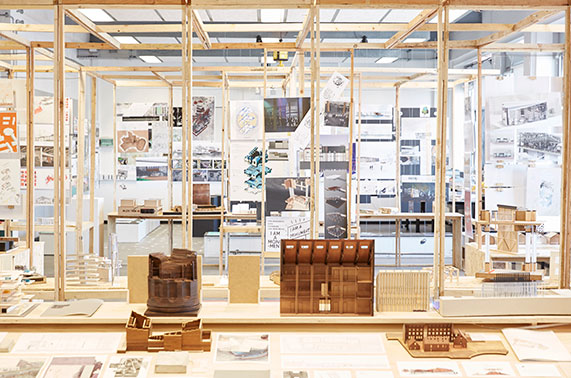
Pomona's Paradoxes reimagines Pomona Island, Manchester, as an experiential museum landscape shaped by eight interconnected site contradictions, uncovered through holistic site analysis. A series of pavilions are positioned across the island, each translating a found paradox into spatial experience through landscape, movement, materiality, and atmosphere. Themes of connection and isolation, industry and ecology, and permanence and decay informed the project’s spaces. Rather than treating the museum as a static container for objects, the proposal transforms the island itself into the exhibit.

Working within the post-humanist framework of SKN, the project explores architecture’s ability to expose tensions rather than attempt to resolve them. Conflicts between industrial history, ecological succession, and human intervention are not concealed, but allowed to coexist within layered and evolving environments.

The project later developed a core building from the site’s defining paradox: a man-made industrial island reclaimed by nature as an unexpected ecological refuge. Organised through solids, thresholds, and voids, the building uses shifting conditions of enclosure, light, and vegetation to blur the boundary between constructed form and ecological growth.

Founded on my interest in environmentally responsive and psychologically engaging design, Pomona’s Paradoxes explores relationships between architecture, ecology, and human experience.