

Affordable Housing Reform: Inclusive & De-ableised approaches to Retrofit.
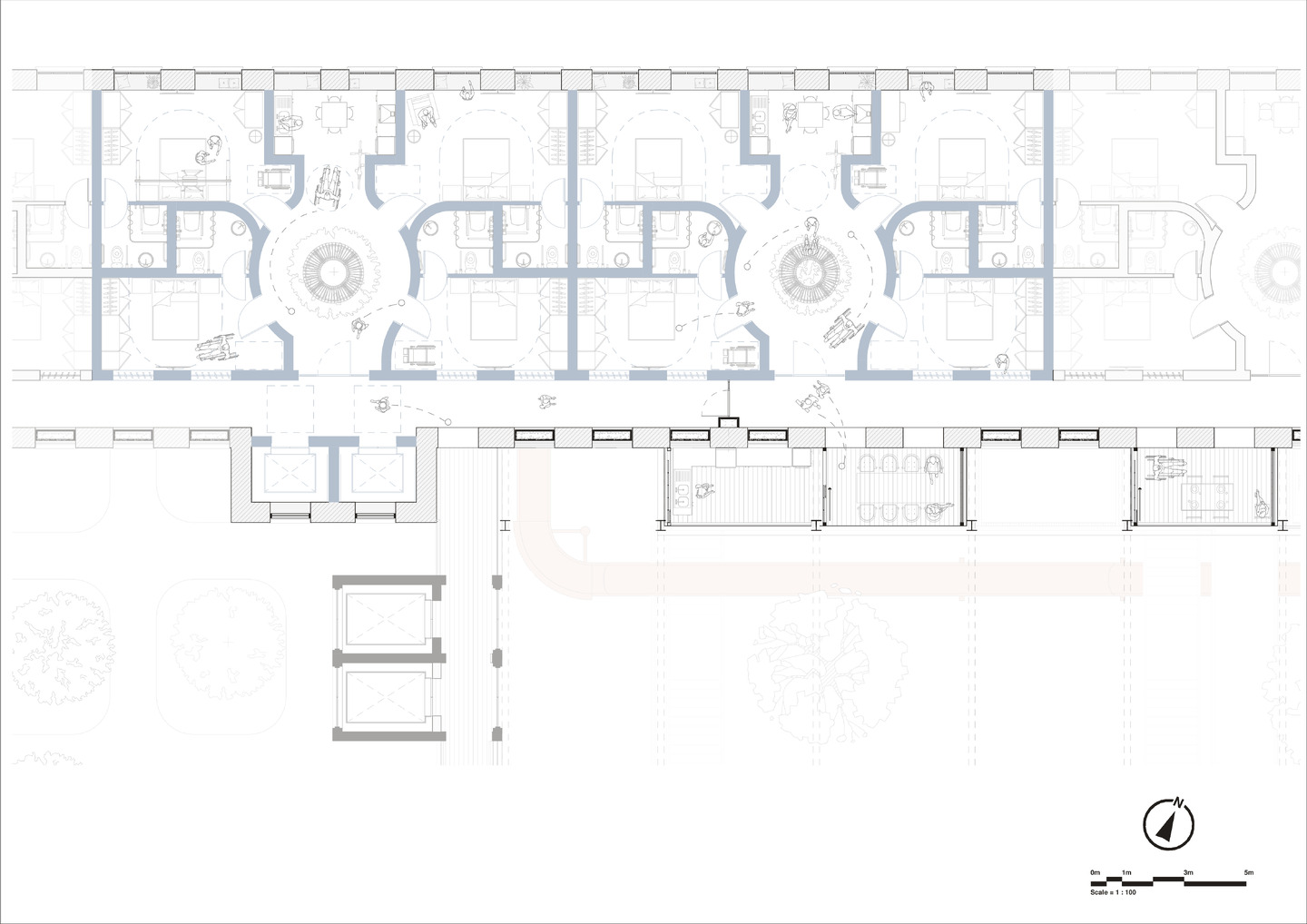
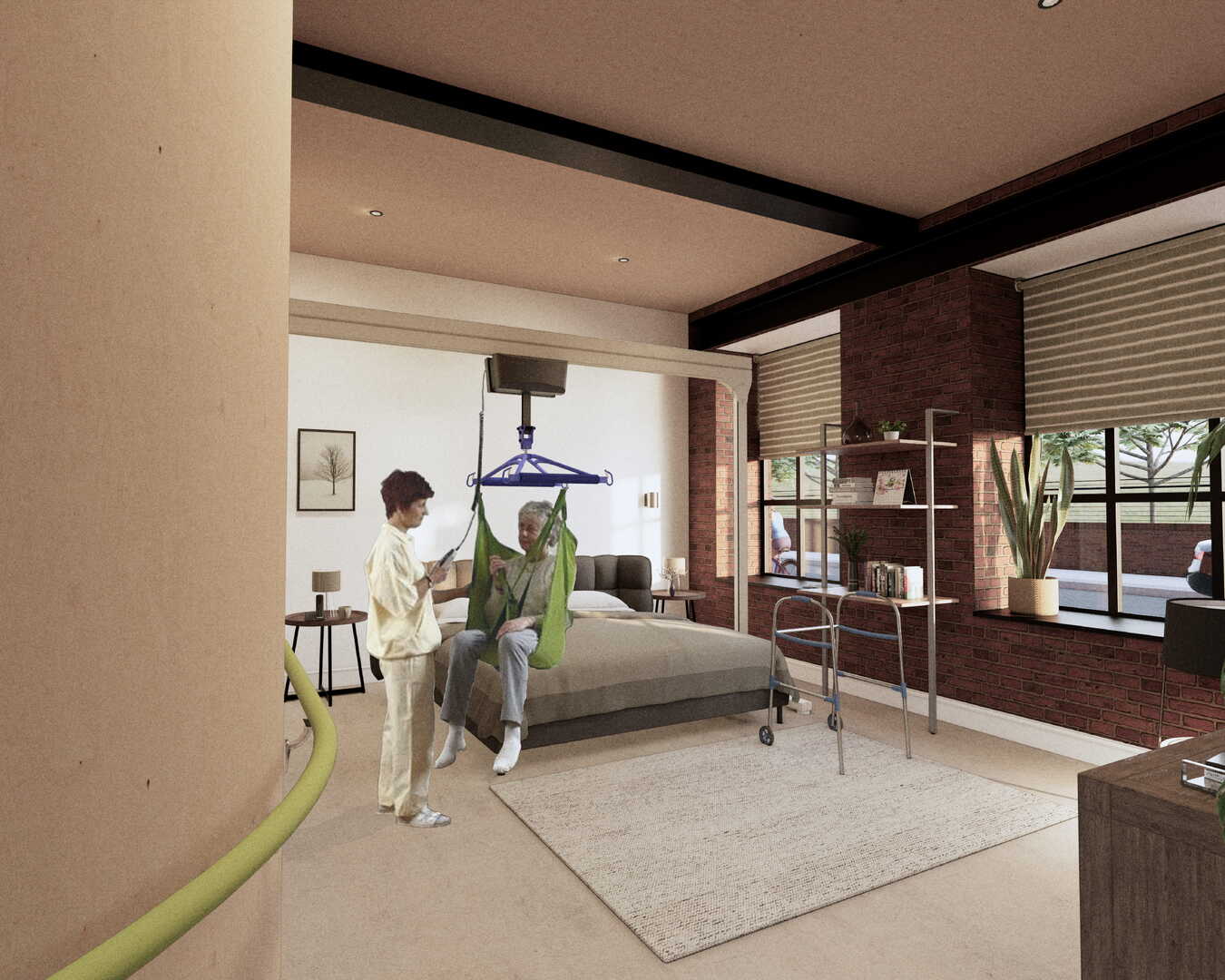
My architectural interests have mainly centred around housing, through work across my time in Sheffield and Manchester, I have become increasingly interested in how the housing crisis disproportionately affects marginalised people. Studio 3 looked to supersede the standards that define “accessible” living, particularly the limitations of Part M and NDSS guidance within social housing. Rather than treating disability as an additional, the project explored what housing could become when inclusive living is treated as the starting point of the design process.
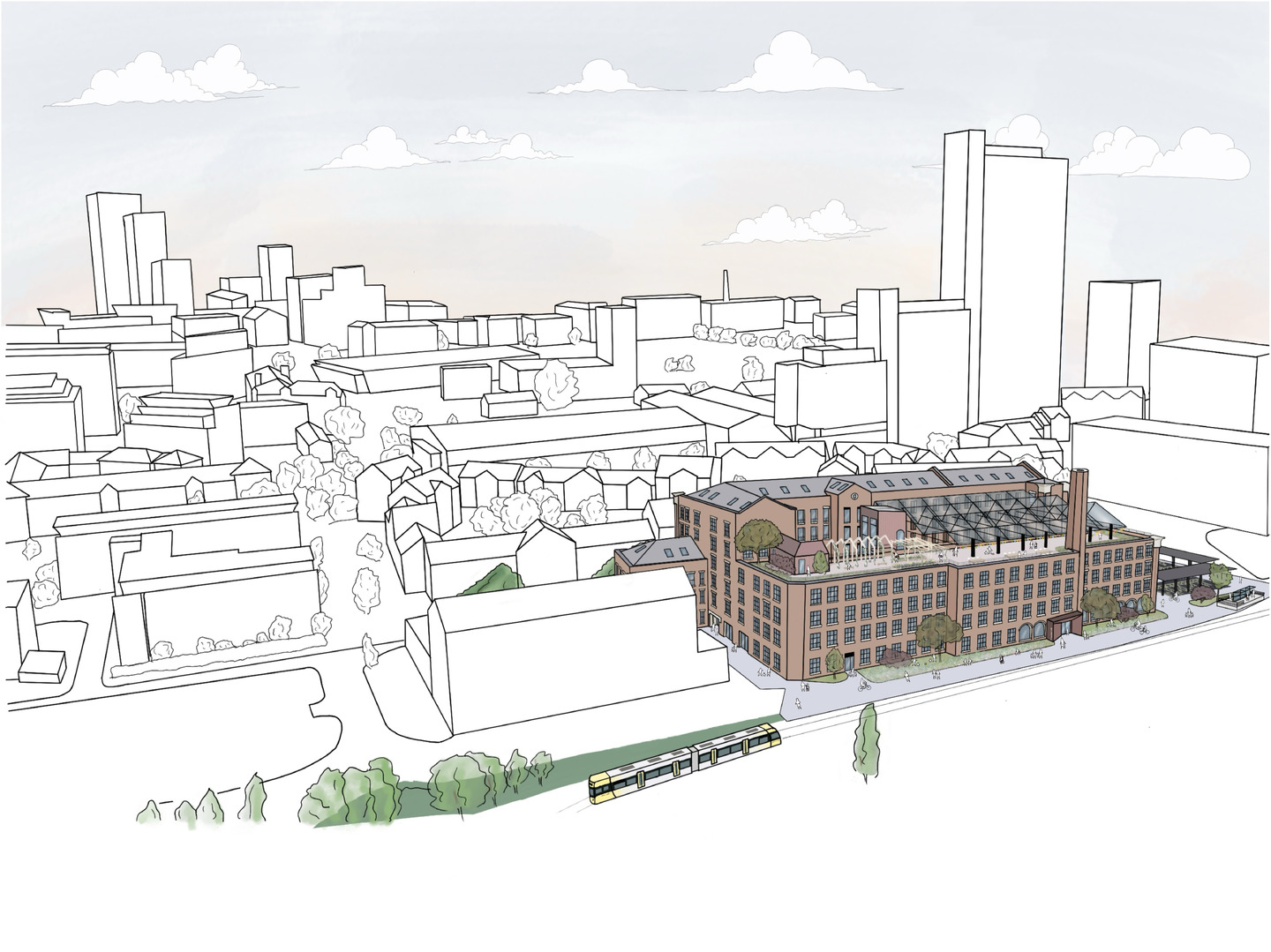
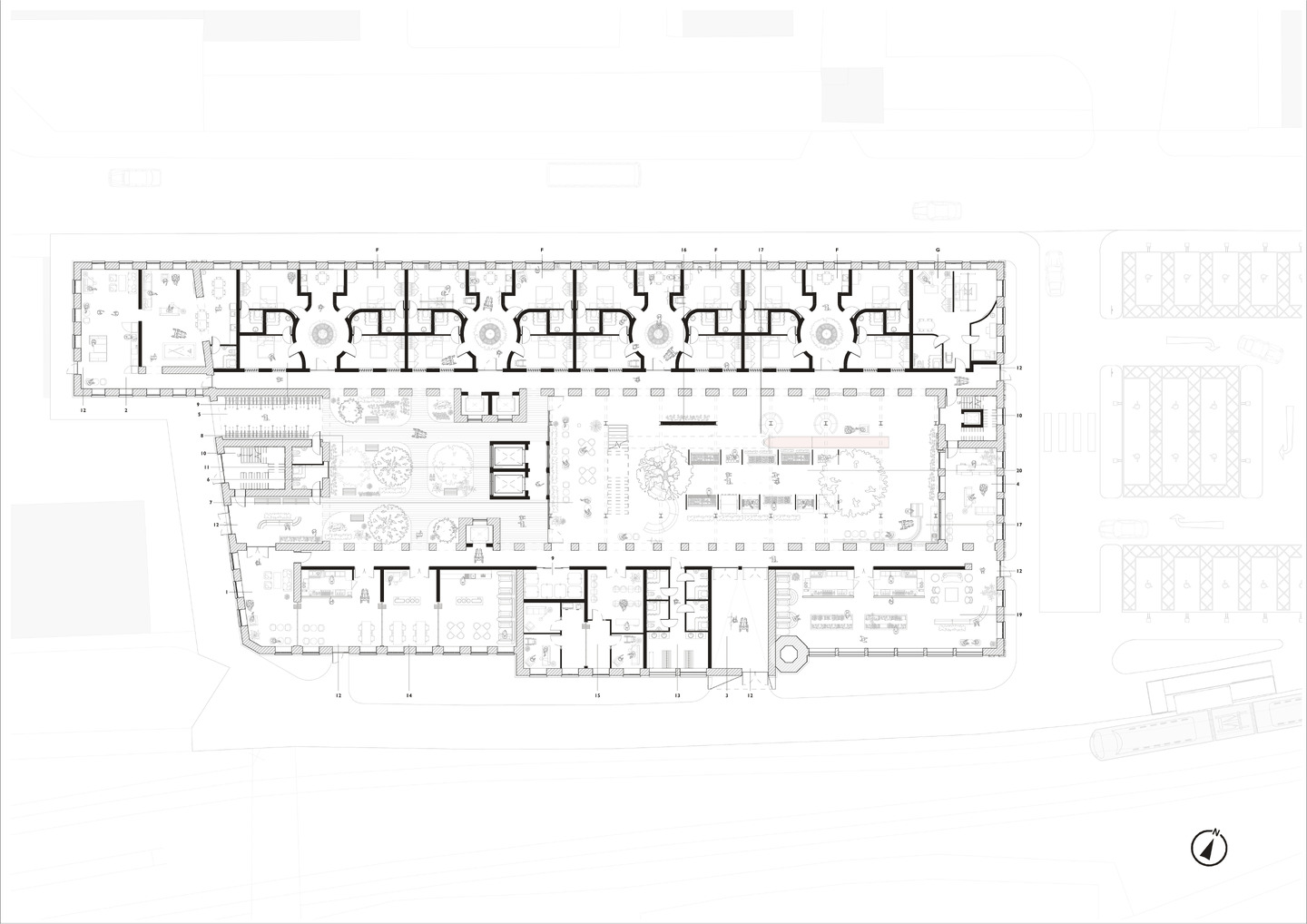
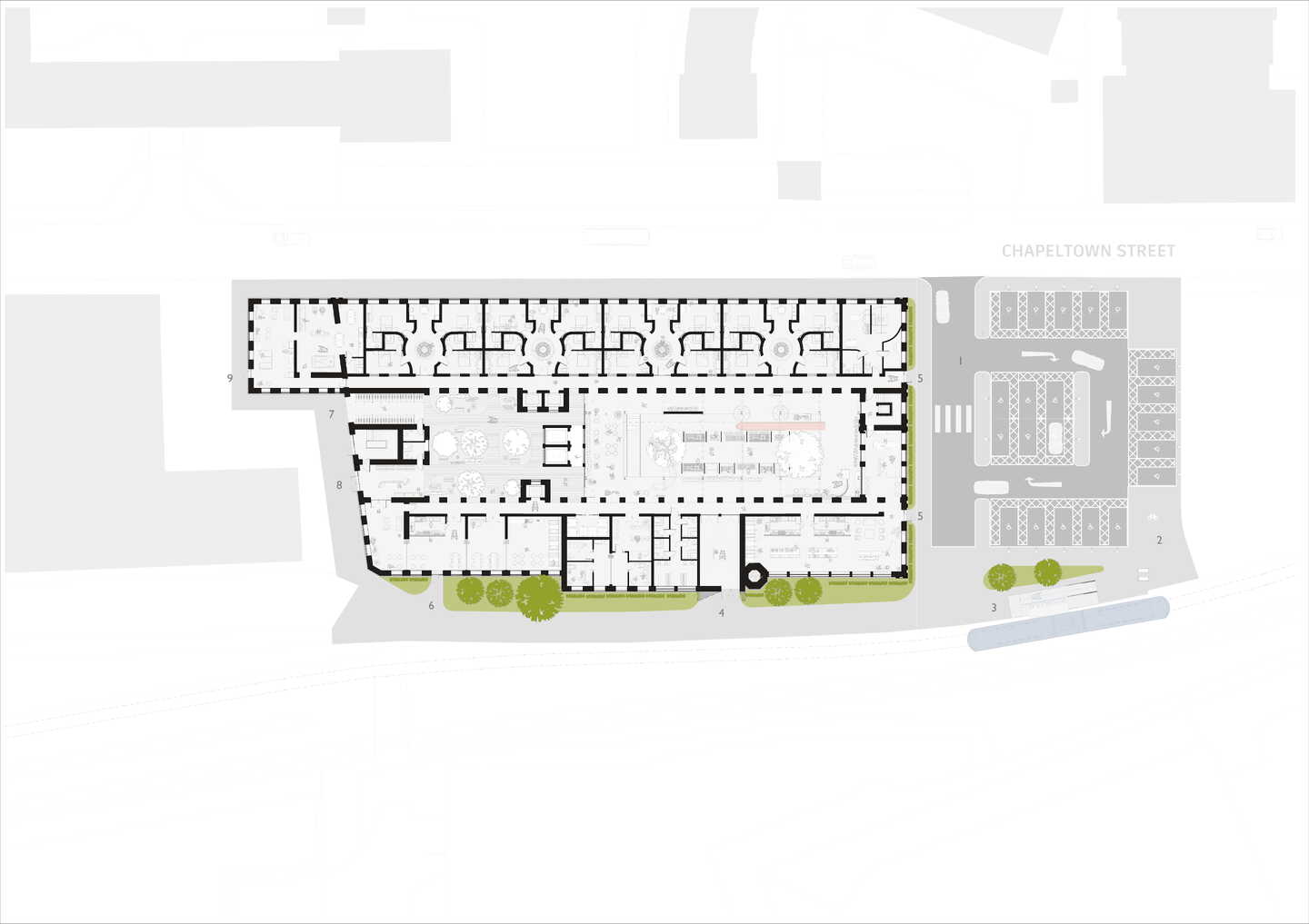
Using Crusader Mill as the test site, the project developed through three stages: first creating a compliant baseline scheme, then reworking the building through adaptable co-housing strategies and shared living spaces, before finally testing how these ideas could operate at higher densities while remaining financially viable within today’s housing crisis.
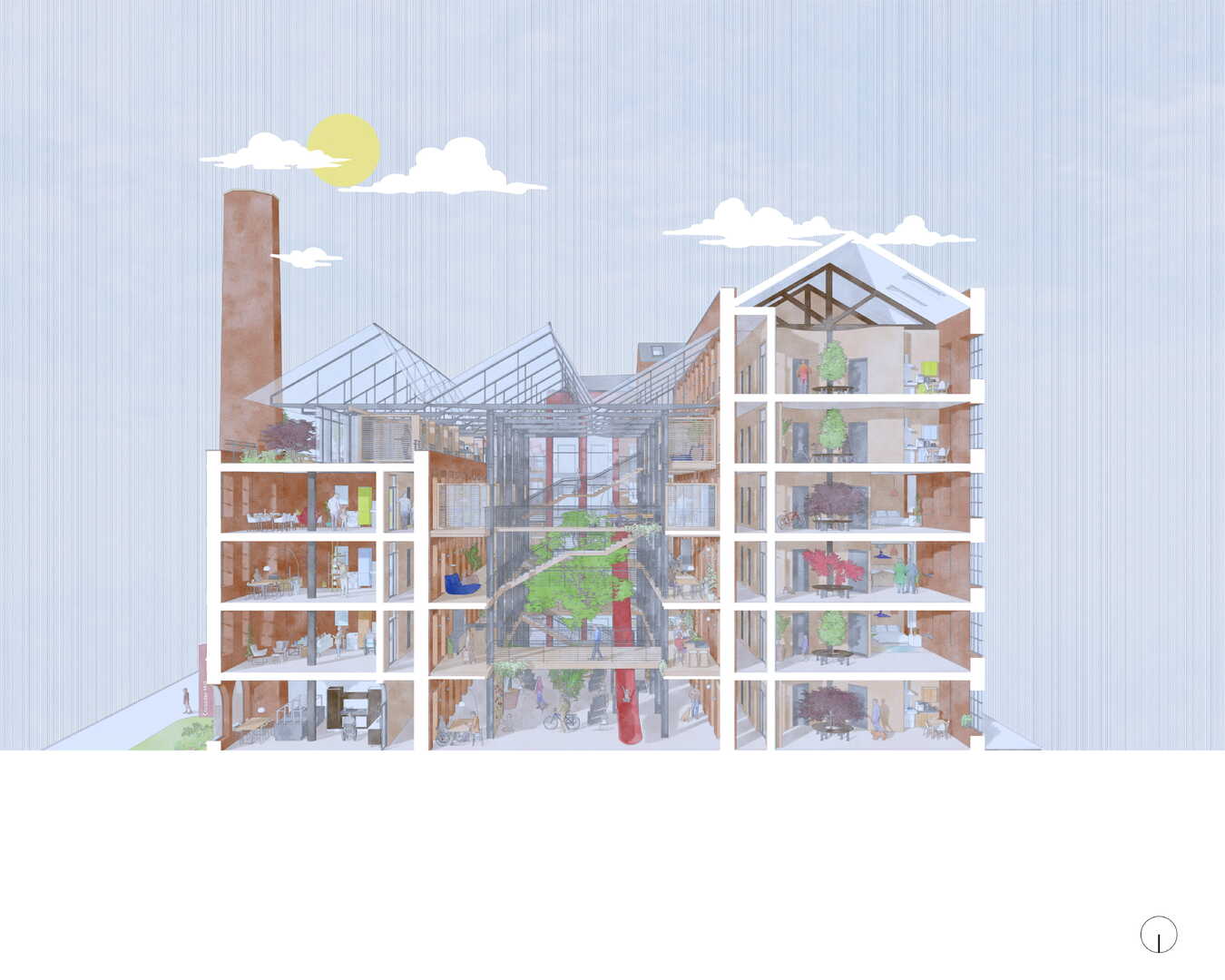
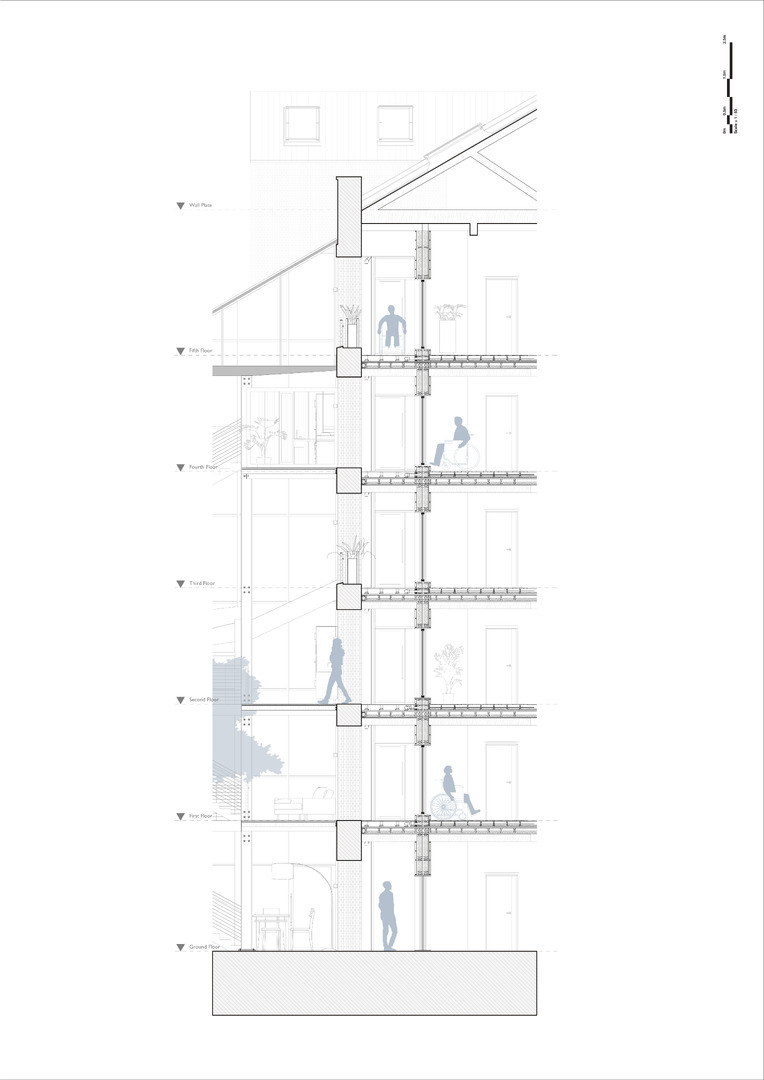
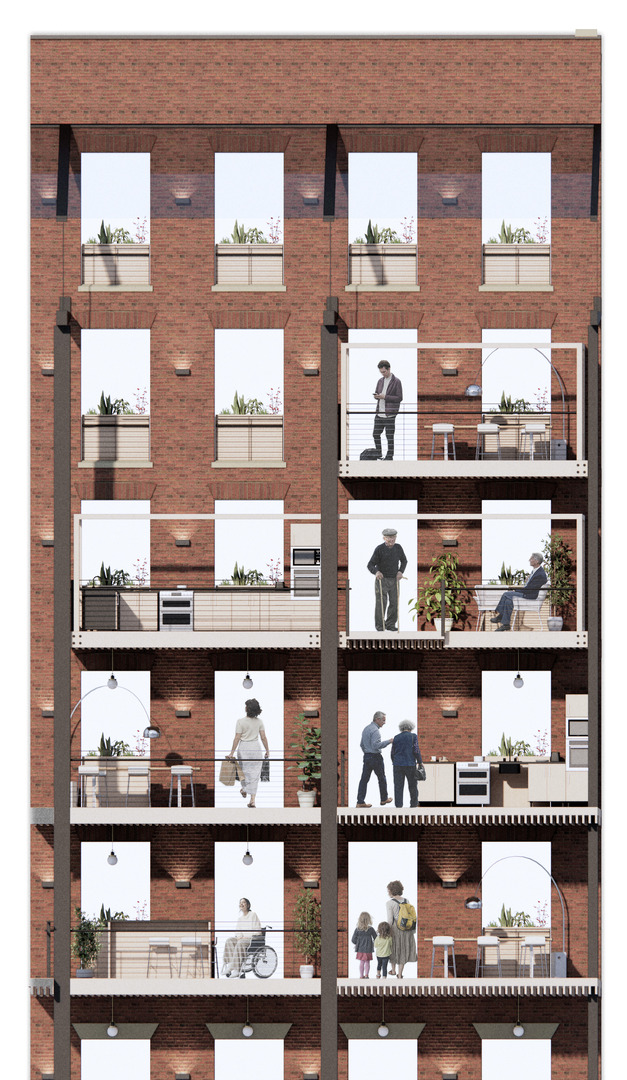
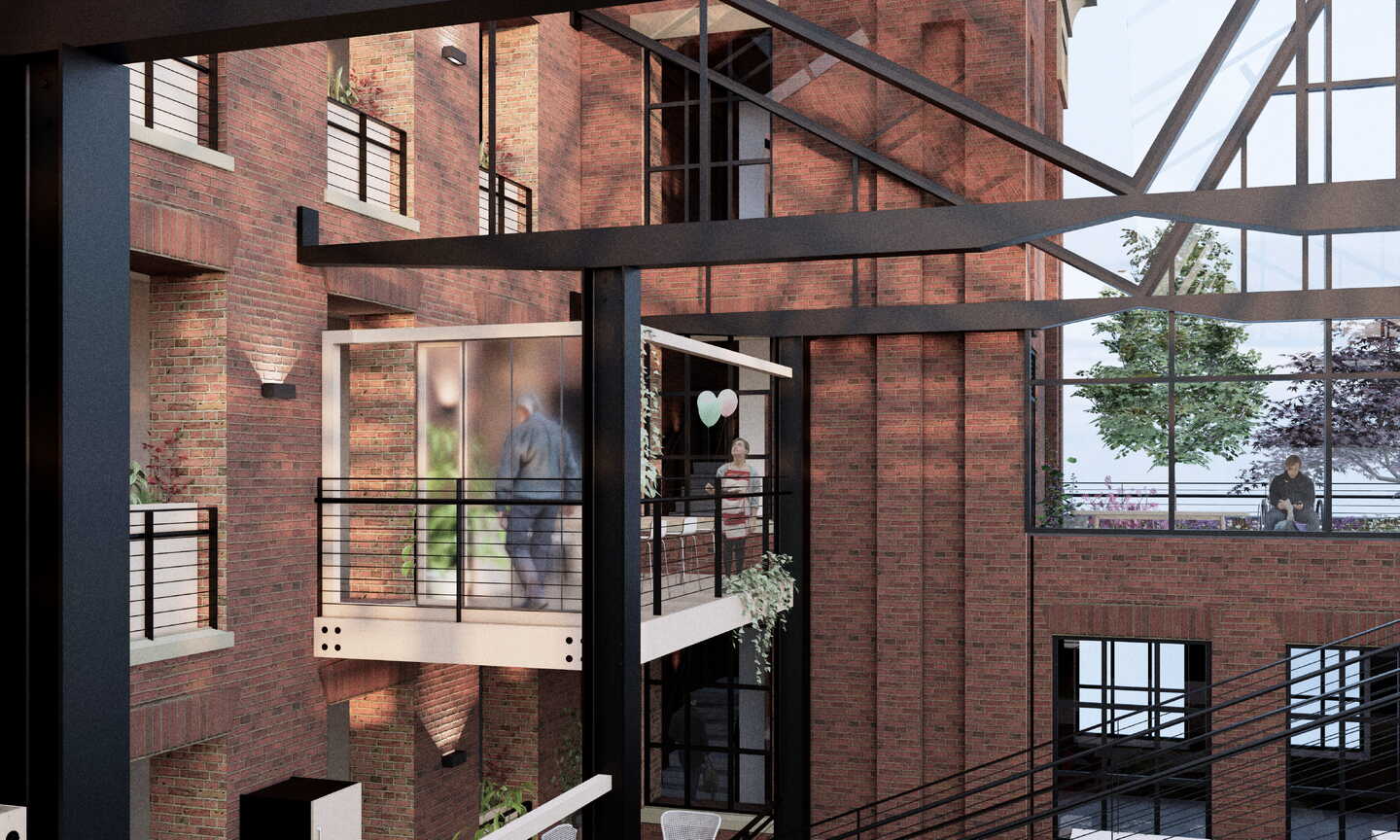
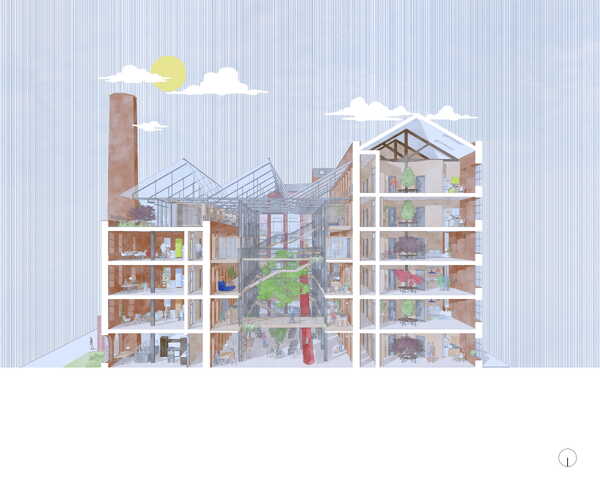
The final proposal transformed the mill’s central courtyard into inhabited social infrastructure. Shared kitchens, lounges, winter gardens and communal platforms were suspended throughout the vertical atrium, creating social spaces across multiple levels. By relocating communal functions into the courtyard, the surrounding floorplates could accommodate a denser arrangement of partially self-contained homes without sacrificing shared domestic space.
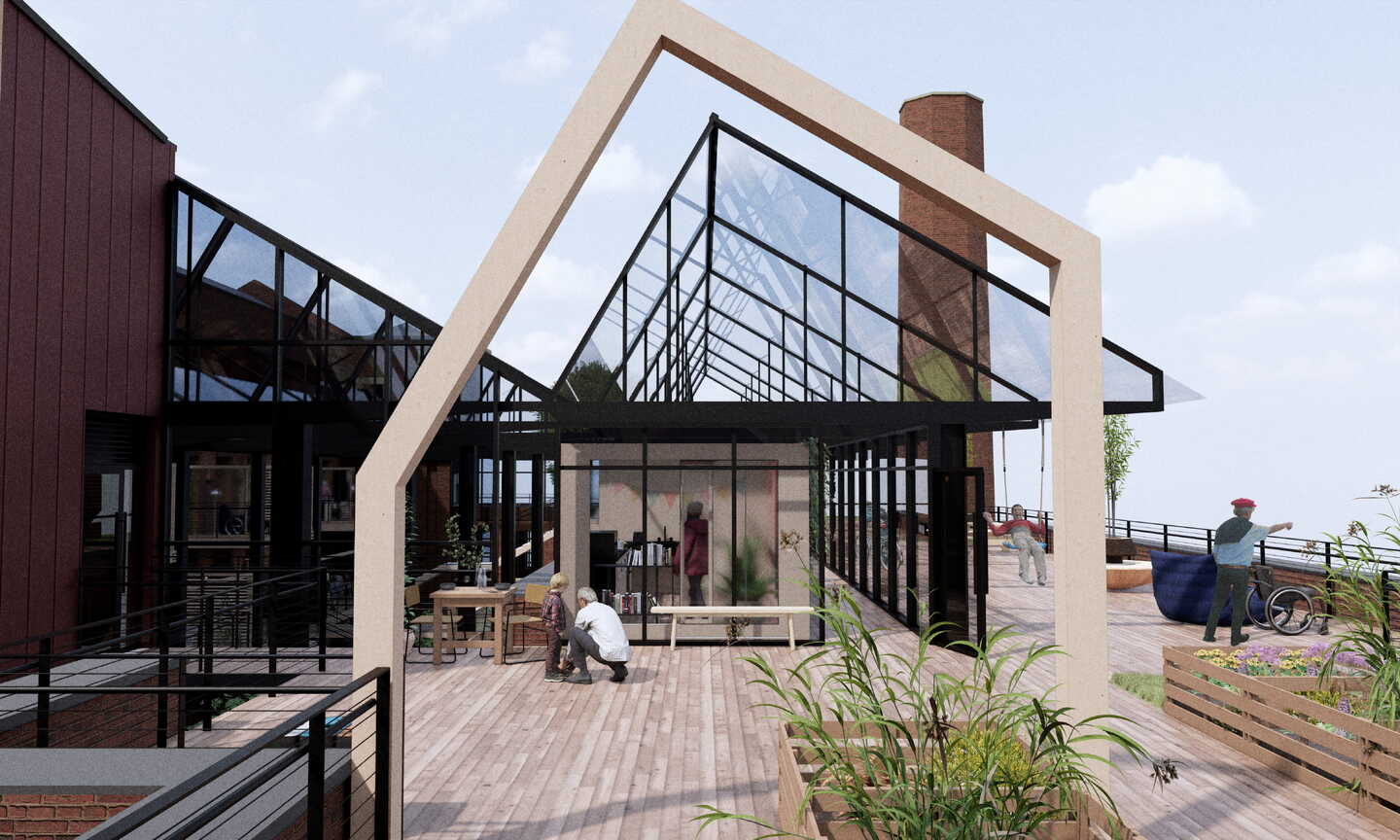
Borrowing the efficiency of co-living models while retaining the collective values of co-housing, the scheme proposed a housing typology where inclusion is embedded into the architecture itself rather than added retrospectively. The roof terrace became the final communal layer, combining outdoor living, planting spaces and shared amenities to extend community throughout the building.
Affordable Housing Reform concluded my thesis into ableism, arguing that housing reform can only happen when disability is treated as a starting point for design rather than a constraint - proving that inclusive and adaptable housing can still be realistic, viable and scalable within future urban development.