

New R'lyeh
Before attending MSA I graduated from Interior Architecture which focuses on projects of adaptive reuse, heritage and conservation. I chose the [CPU]ai atelier when I joined MSA to broaden my knowledge and skillset as an architecture student.
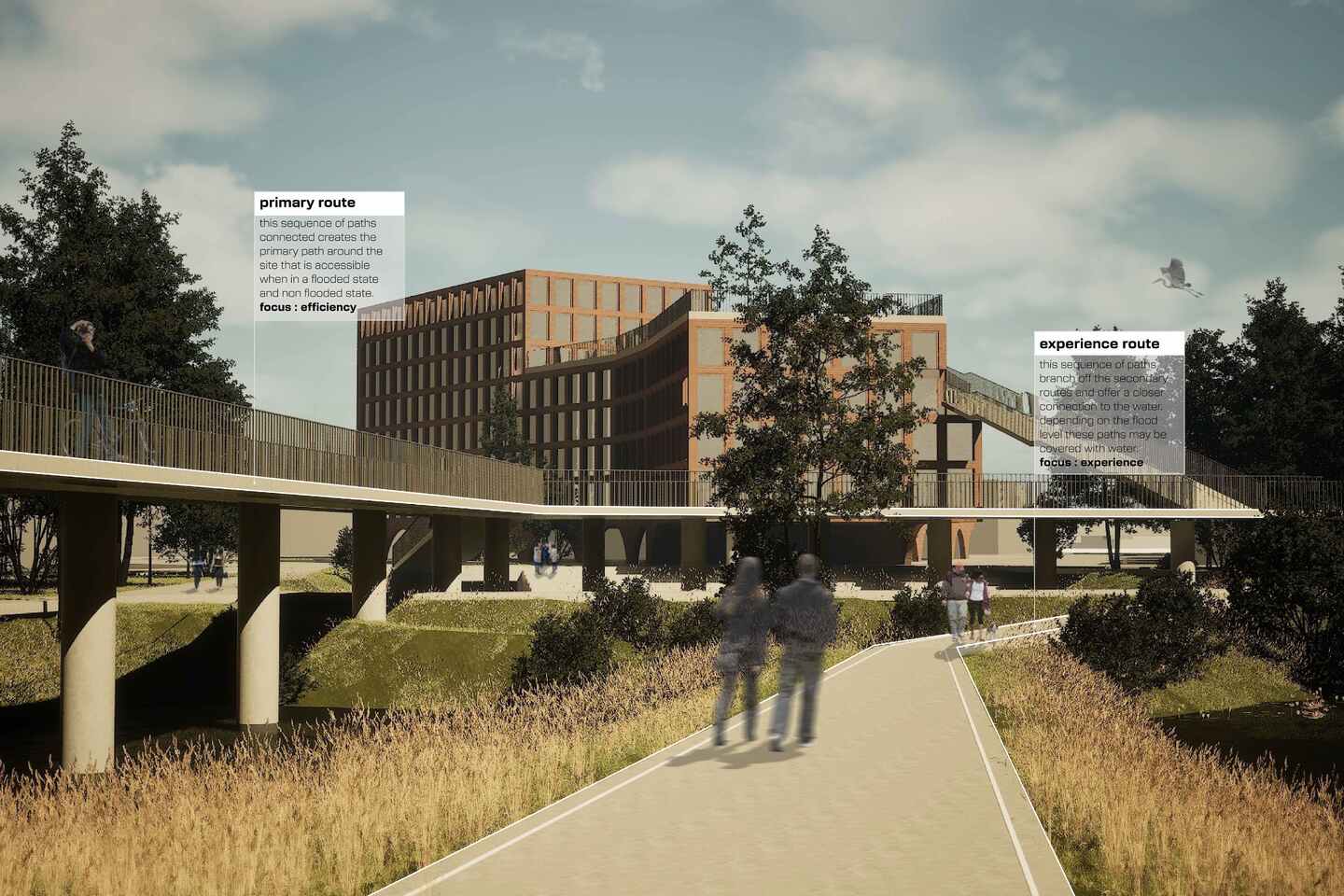
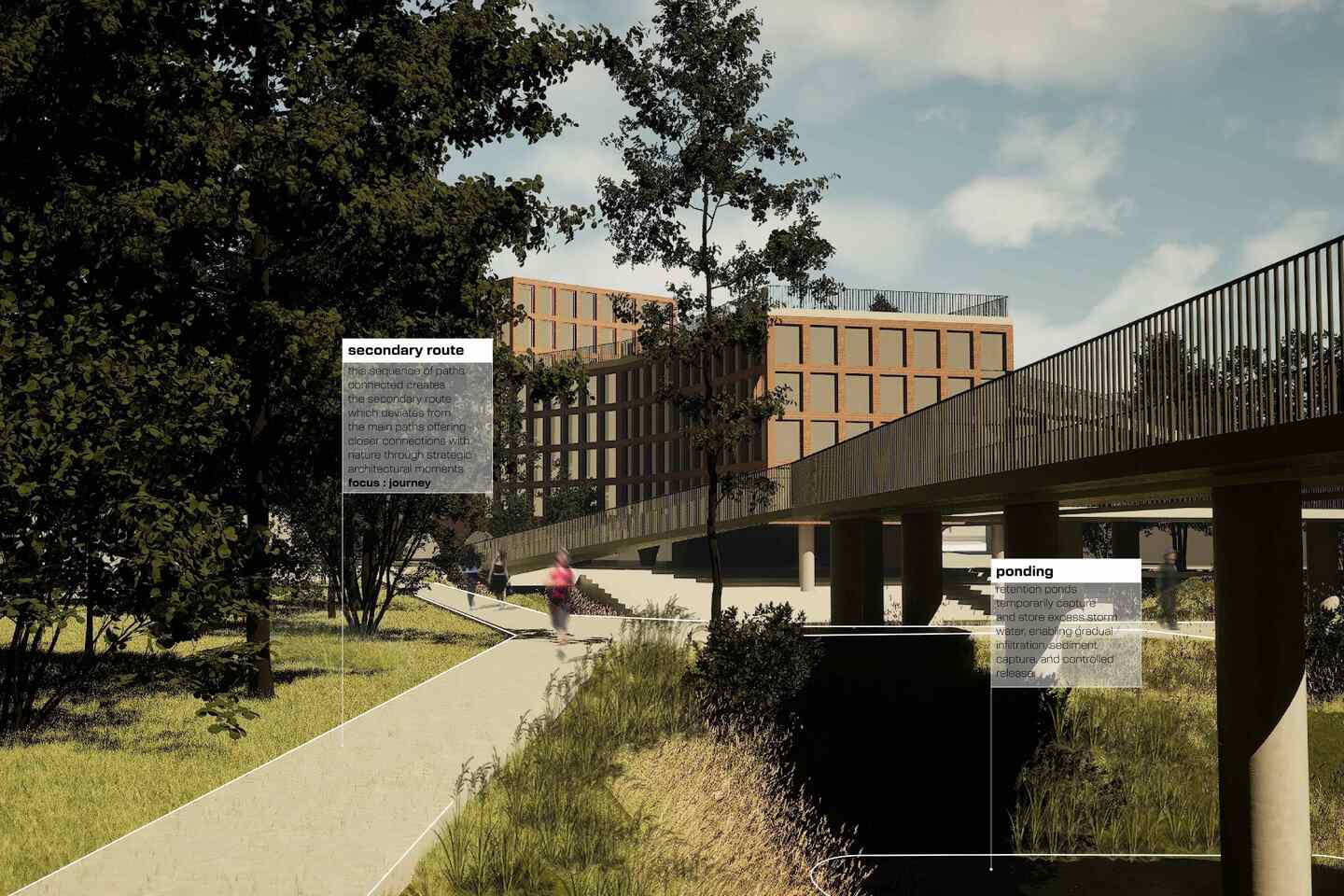
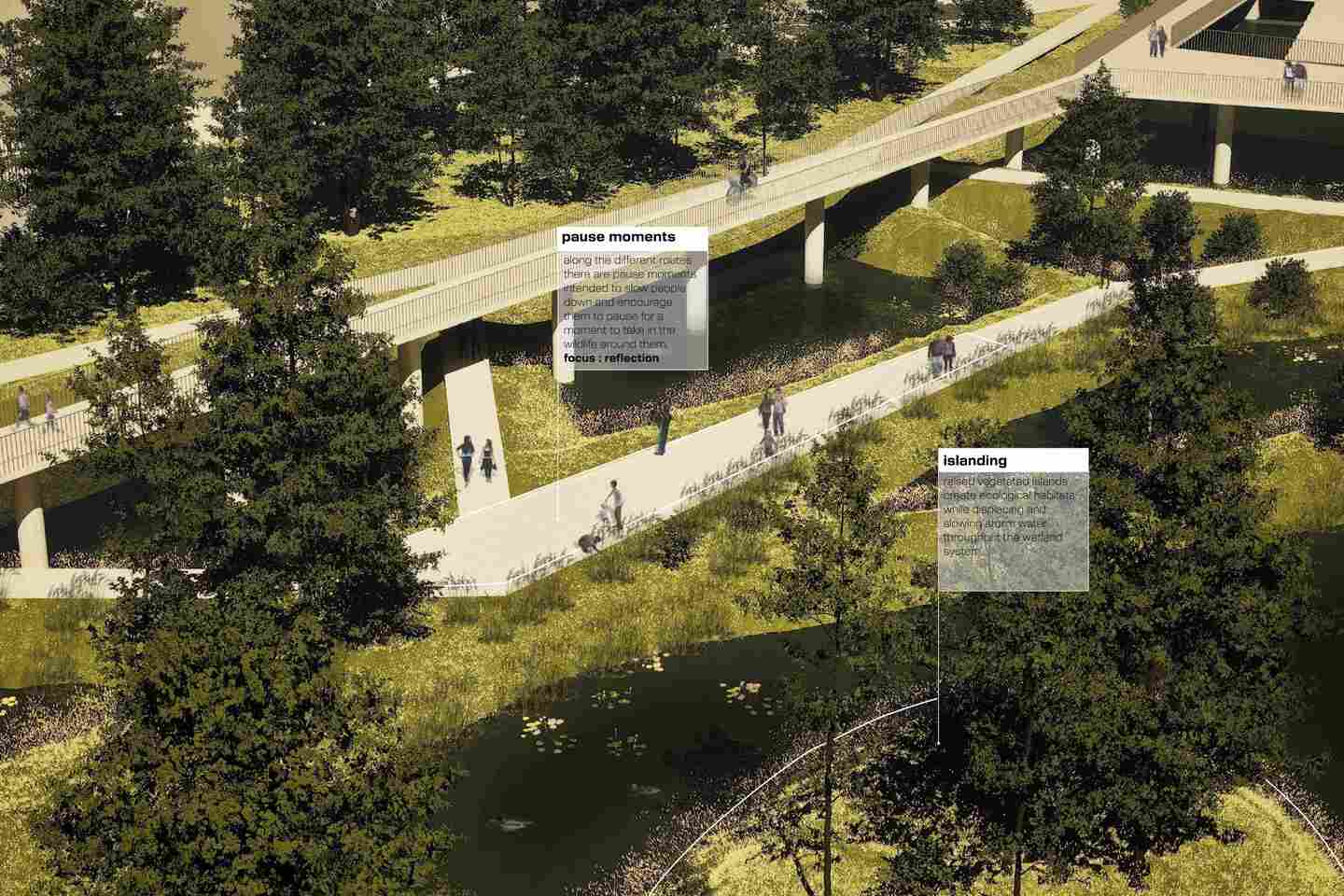
My Masters of Architecture final year thesis project, New R’lyeh explores climate change as a projected future condition in which increasingly frequent and unpredictable extreme weather events, particularly intensified rainfall, place significant pressure on cities. The project explores how architecture and urbanism might respond through the development of new adaptive architectural typologies and spatial strategies that address flooding, ecological degradation, and long-term urban resilience.
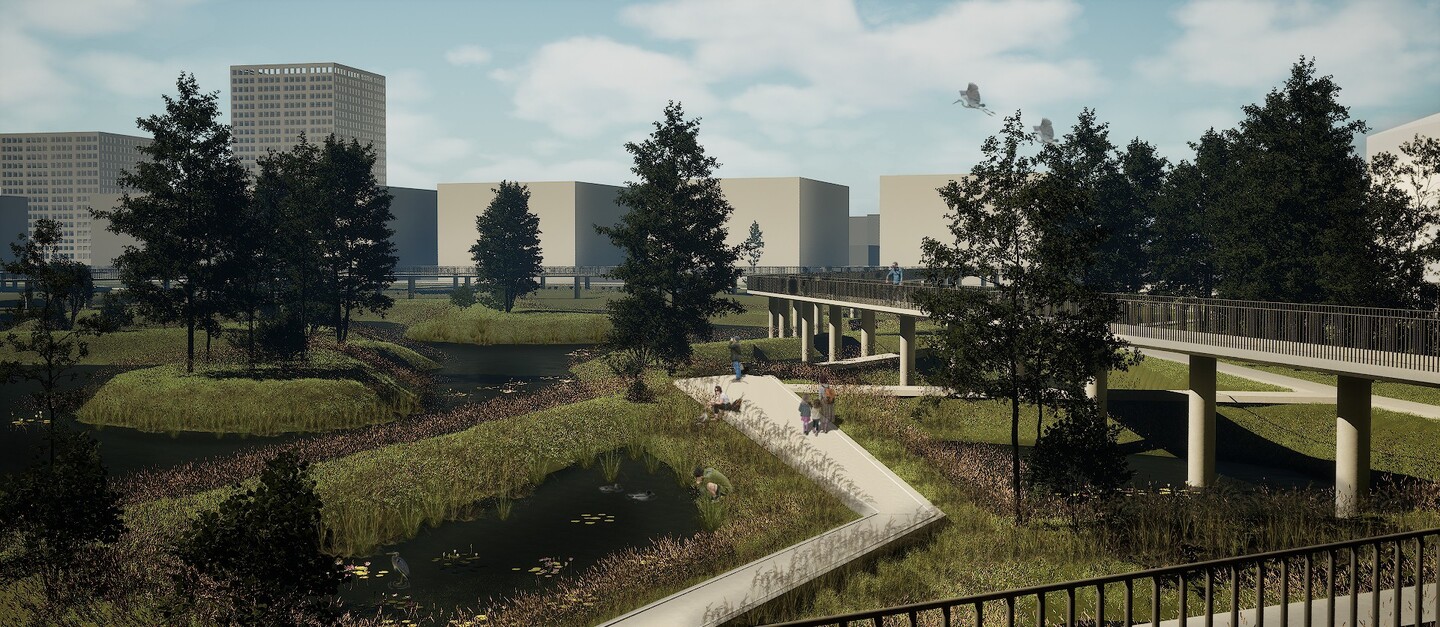
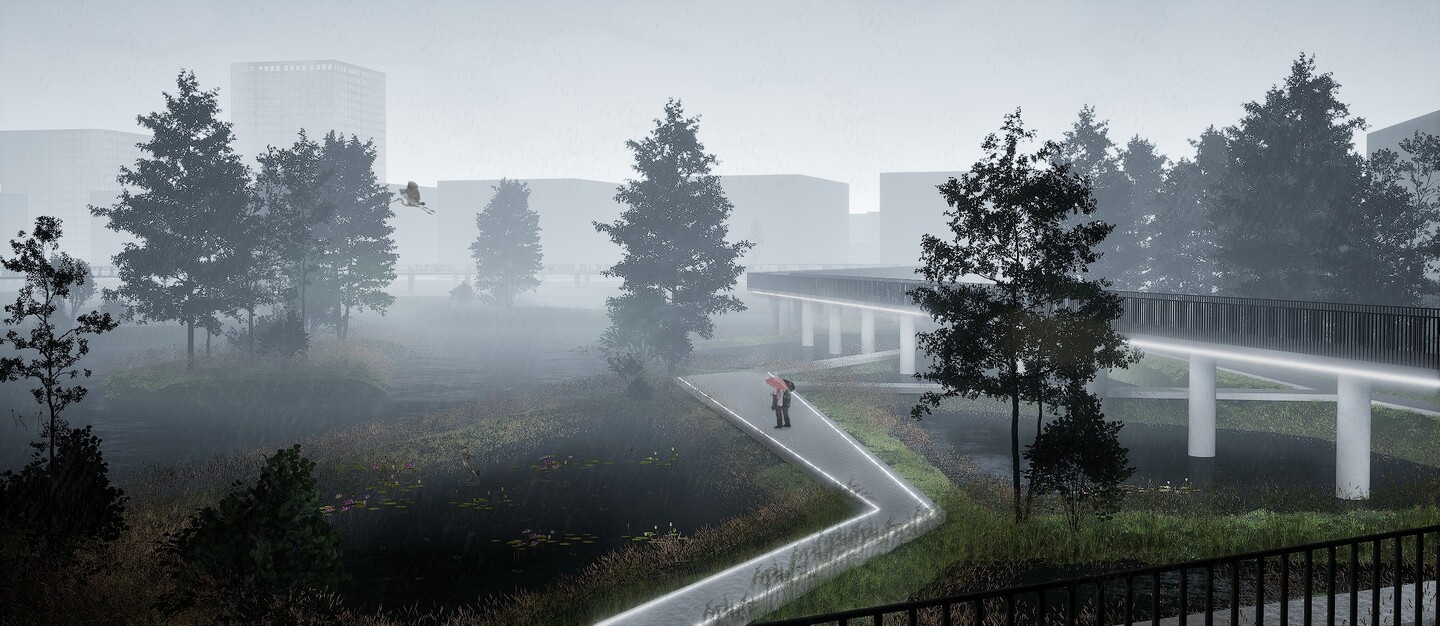
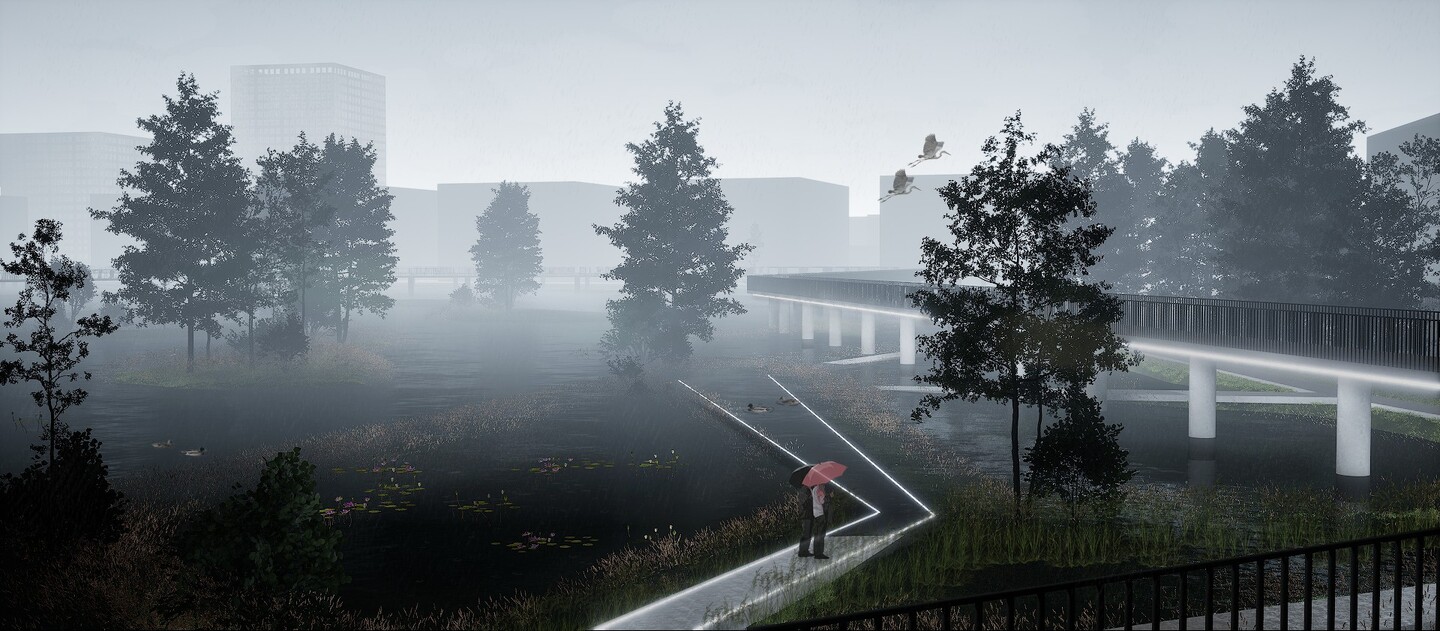
Using ecological resilience theory as a conceptual framework, the project develops a computational methodology to explore how cities can respond to varying degrees of flooding and environmental uncertainty through new urban typologies. Through bespoke computational tools, spatial strategies, and iterative scenario testing, the proposal explores how water can be slowed, captured, absorbed, stored, and ultimately embraced enabling new spatial possibilities within future cities.
The project establishes new urban typologies and a framework that moves beyond conventional engineering solutions towards ecological resilience, adaptability, and long-term planning in the context of climate change.
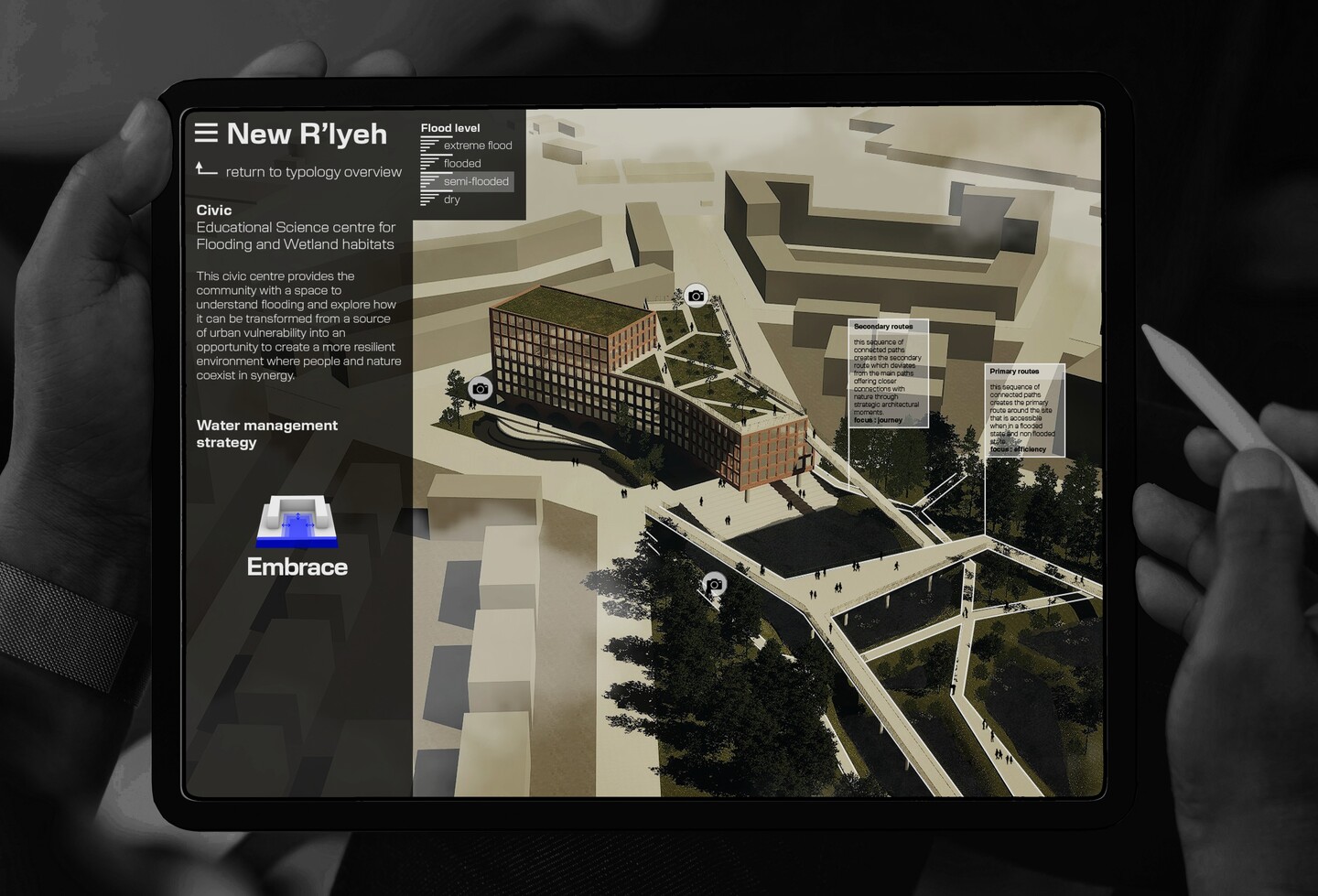
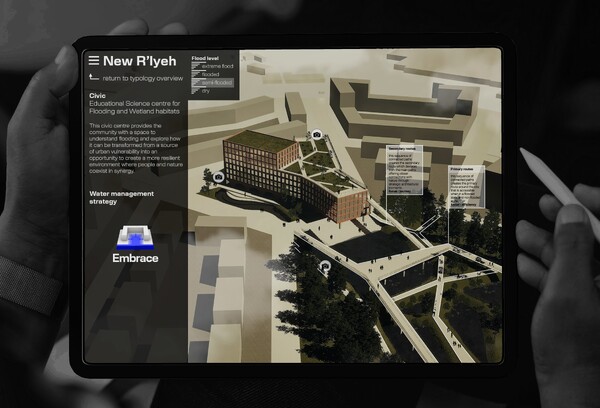
An interactive App is used as a tool to explore various conditions and possibilities of the new urban typologies, allowing the project to be experienced as a dynamic and participatory tool, giving wider audiences and interdisciplinary stakeholders the opportunity to explore, test, and engage with future flooding scenarios to feedback and input into the design process.
Rooted in [CPU]ai's future cities and complexity-informed design approach, the project poses timely questions about future trajectories: How can we design cities differently to adapt through new sustainable urban forms?
This project presents one possible approach to addressing these questions through computational design, futures thinking, and adaptive ecological strategies.